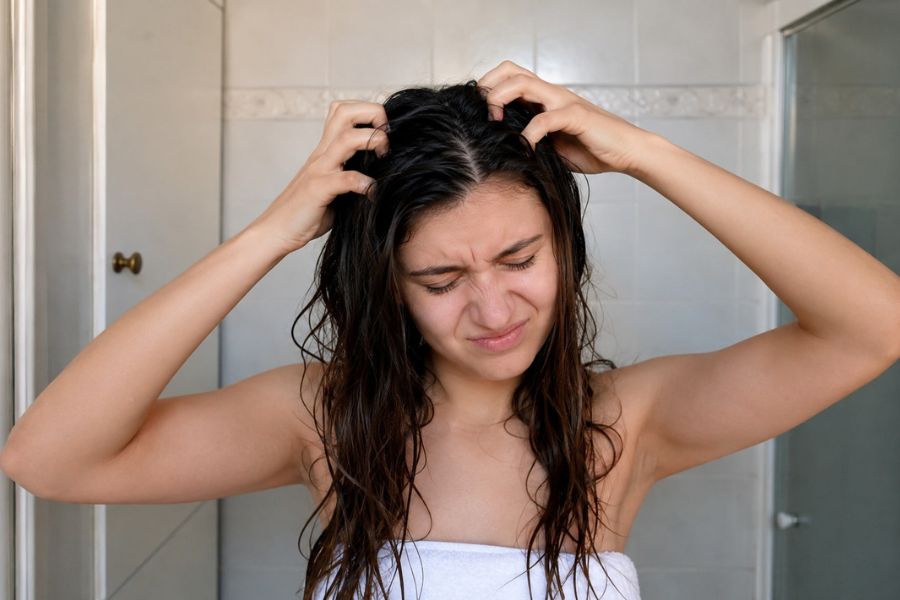
Your shampoo is too harsh if your scalp feels tight or itchy soon after washing. Fast fading hair color is another clear sign. So is hair that turns oily again within a day. These signs usually come from one thing. Strong sulfates strip your scalp’s natural oils faster than your skin can replace them.
Have you noticed any of these changes lately? You are not imagining it. This guide walks you through the real signs of a too harsh shampoo. You will learn how long to wait before blaming your shampoo. You will learn why harsh shampoo can make hair worse over time, not better. You will also learn exactly which ingredients to check on your own bottle right now.
✔ Key Takeaways
- Your shampoo is too harsh if your scalp feels tight or itchy within hours of washing.
- Fast fading hair color and quick greasy roots are two more real signs.
- Harsh shampoo can trigger an oil rebound cycle that makes hair worse over time.
- Wait one to two weeks before blaming your shampoo for most symptoms.
- Check your bottle for sulfates. They are the most common harsh ingredient.
How to Know If Your Shampoo Is Too Harsh
Your shampoo is too harsh if it leaves your scalp feeling tight, dry, or itchy after washing. It is also too harsh if your hair looks oily again within a day. These reactions point to one root cause. Strong cleansing agents strip away more natural oil than your scalp can replace, according to a foundational toxicology safety review of common shampoo cleansing agents.
Why This Gets Confused With Other Causes
These same symptoms can come from changes in weather. They can come from hard water too. They can even come from stress. That overlap is exactly why so many women blame the wrong thing. A real shampoo problem usually shows up around the time you start a new bottle. It also tends to affect your whole scalp evenly, not just one spot.
The Real Signs Your Shampoo Is Too Harsh
Several signs point to a shampoo that is genuinely too harsh for your hair and scalp.
Scalp Feels Tight, Dry, or Itchy Within Hours of Washing
A tight or squeaky feeling right after rinsing is one of the clearest signs. This tightness means your natural oil barrier has been stripped away. Itching often follows within hours, a pattern documented in research on itch and pain responses in irritant contact dermatitis. The scalp itself reacts more strongly to this kind of irritation than skin on the arm or back does, as a comparative study published in the journal Contact Dermatitis found.
Hair Gets Oily Again Within a Day
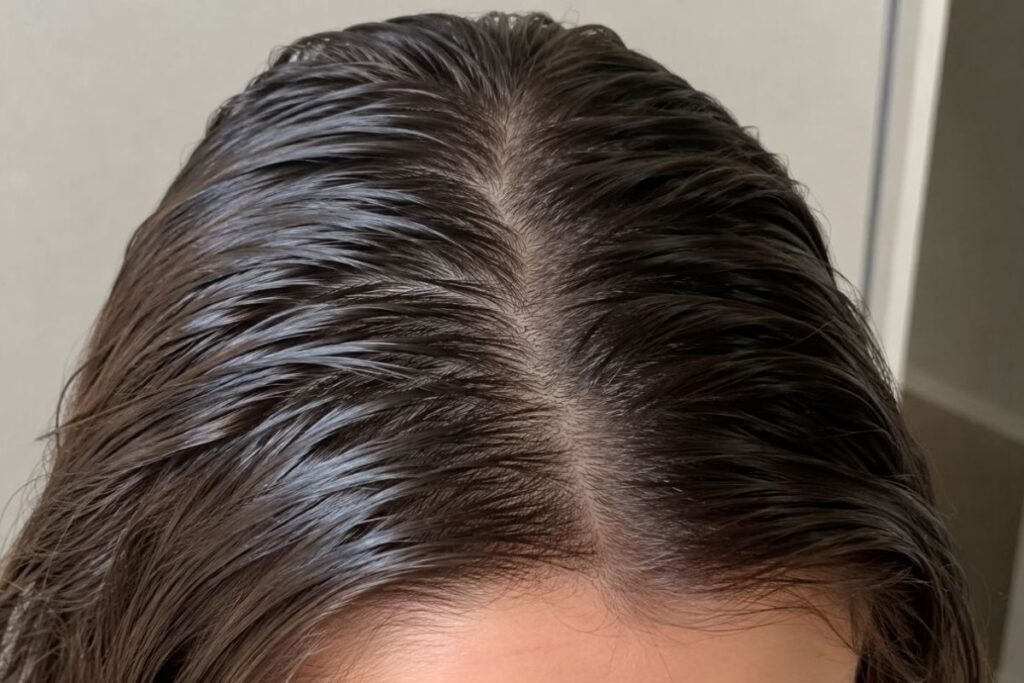
Does your hair look freshly washed in the morning? By evening, does it already look flat and oily? That fast turnaround is a major red flag. Your scalp is likely overproducing oil to make up for what the shampoo stripped away.
Color Fades Noticeably Faster Than Expected
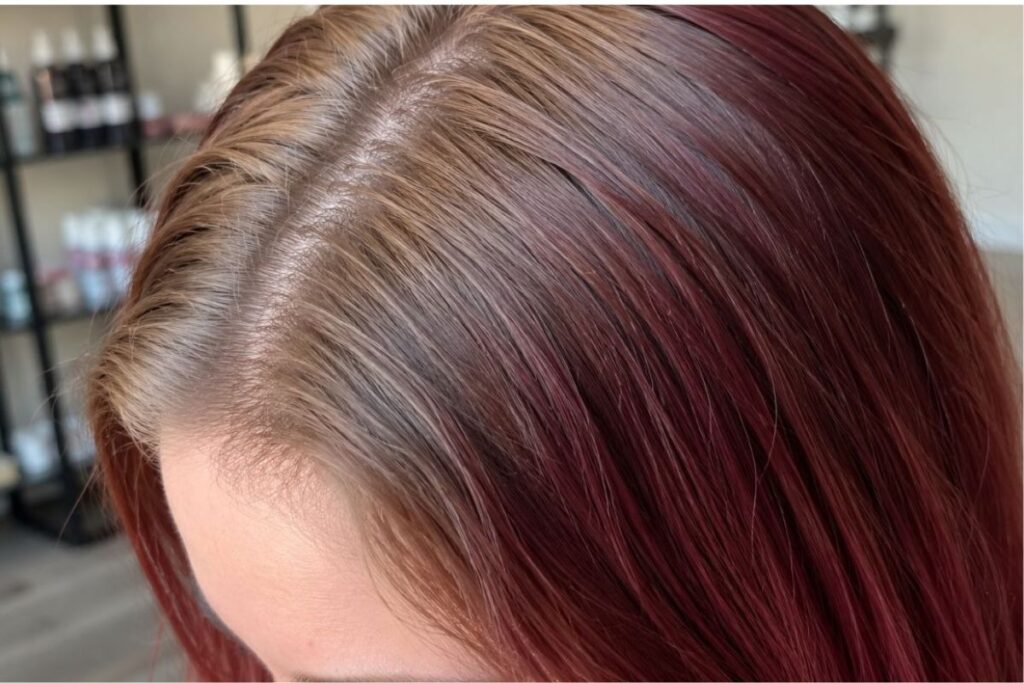
Color treated hair should hold its tone for several weeks. If your color fades within days instead, your shampoo may be the reason. Strong sulfates open the hair cuticle. This lets color molecules escape faster than they should.
Increased Frizz, Breakage, or Straw Like Texture
Hair that feels rough, brittle, or straw like has lost its natural moisture. Breakage often comes next. This happens because dry, stripped strands snap more easily when brushed or styled.
Why Harsh Shampoo Makes Hair Worse Over Time: The Oil Rebound Cycle
Harsh shampoo often makes hair worse the longer you use it. This happens through something called the oil rebound cycle.
What Actually Happens When Natural Oils Get Stripped
Your scalp produces natural oil to protect itself. This oil is called sebum. When a harsh shampoo strips this oil away, your scalp does not just accept the loss. It ramps up oil production to compensate.
Why This Creates a Cycle That Looks Like You Need to Wash More, Not Less
This rebound effect creates a frustrating loop. Your hair looks oily faster, so you wash more often. Washing more often strips even more oil. Your scalp then overproduces again in response. Many women read this cycle as a sign they need a stronger shampoo. That choice usually makes the cycle worse instead of better.
Too Much Shampoo vs Too Harsh Shampoo: What’s the Real Difference
Using too much shampoo and using a shampoo that is too harsh are two separate problems with two separate fixes.
Signs You Are Using Too Much Product, Regardless of Formula
Using too much shampoo shows up in specific ways. It becomes hard to build a good lather. Rinsing takes much longer than it should. Even a gentle formula can cause these issues if you use far more than needed.
Signs the Formula Itself Is the Problem, Regardless of Amount
A formula problem shows up differently. Your scalp feels tight even with a small amount of product. Your color fades fast no matter how little you use. These signs point to the ingredients themselves, not the quantity.
| Symptom | Caused by Amount | Caused by Formula | Fix |
| Hard to lather | Yes | Sometimes | Use less product |
| Takes forever to rinse | Yes | Rarely | Use less product |
| Color fades fast | Rarely | Yes | Switch formulas |
| Scalp feels tight or itchy | Rarely | Yes | Switch formulas |
| Hair oily within a day | Sometimes | Yes | Switch formulas |
How Long Should You Wait Before Blaming Your Shampoo
Give your hair and scalp real time to react before deciding your shampoo is the problem.
The First 1 to 2 Weeks: What’s Normal Adjustment
Your scalp needs time to adjust to any new shampoo. Mild changes in oil balance during this window are normal. Do not judge a shampoo based on the first wash alone.
Week 3 to 4: Texture and Oil Balance Checkpoint
By week three or four, real patterns should be clear. Is your hair still getting oily within a day? Does your scalp still feel tight after every wash? These ongoing signs point to a genuine formula problem.
Week 6: The Breakage and Damage Checkpoint
Breakage takes longer to show up than dryness does. Give your hair a full six weeks before judging damage patterns. If breakage is still increasing, your shampoo is very likely the cause.
Check Your Bottle: The Ingredients That Signal a Harsh Formula
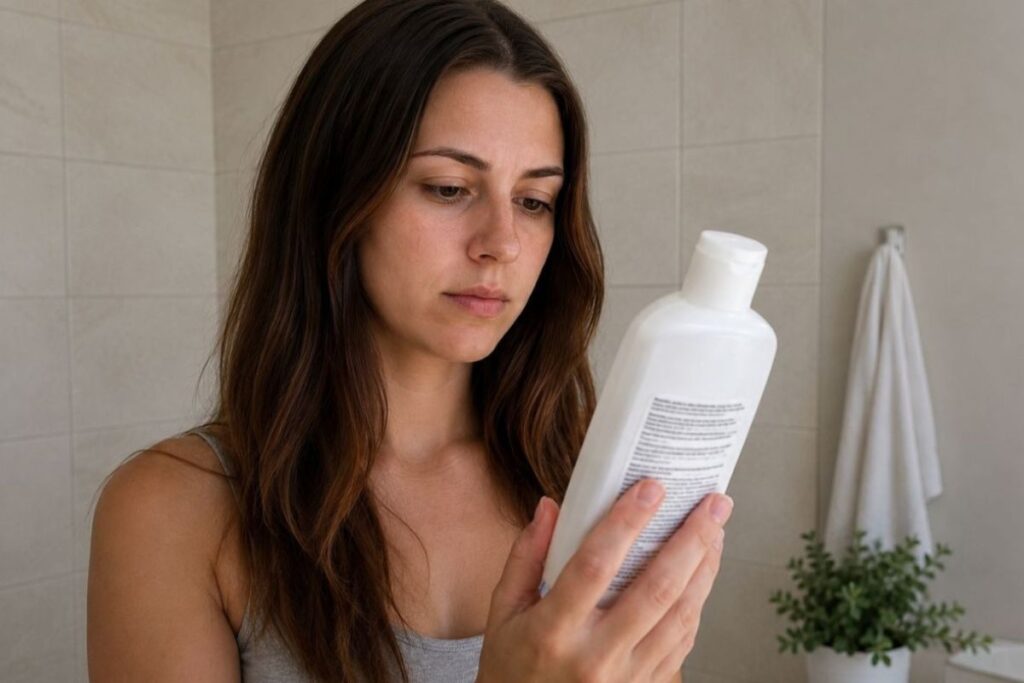
Reading your shampoo’s ingredient list tells you almost everything you need to know.
Sulfates: SLS and SLES
Sulfates are the most common harsh ingredient in shampoo. Look for sodium lauryl sulfate or sodium laureth sulfate on the label. These often appear as SLS or SLES. A foundational toxicology safety review found that irritation from this ingredient increases directly with its concentration in a product. They clean well, but they strip natural oils aggressively in the process.
Short Chain Alcohols and Synthetic Fragrance
Short chain alcohols dry out hair quickly. Isopropyl alcohol is one common example. Synthetic fragrance can also irritate sensitive skin. It often contains a mix of many unlisted chemical compounds in one ingredient line.
Checking Ingredients If You’re Pregnant
Are you pregnant? Consider avoiding products listing fragrance or phthalates. Research on fetal safety for these ingredients remains limited. Choosing fragrance free or phthalate free formulas is a reasonable precaution.
Gentler Alternatives to Look For Instead
Look for sulfate free cleansers instead. Ingredients like sodium cocoyl glycinate clean effectively without the same stripping effect. Natural oils such as argan or jojoba can also help restore what harsh formulas remove.
Is It Your Shampoo or Your Scalp Type?
Your scalp type changes what actually counts as too harsh for you specifically.
Oily Scalp Needs
Oily scalps can tolerate slightly stronger cleansing. Even oily scalps still need balance, though. A formula that leaves your scalp feeling stripped and tight is too harsh, even for oily hair.
Dry or Sensitive Scalp Needs
Dry or sensitive scalps need gentle, low sulfate formulas. Fragrance free options often work best here. These scalps show harsh shampoo symptoms faster and more intensely than other types, according to a study on regional differences in sulfate related skin irritation.
Combination Scalp Needs
Combination scalps have oily roots and dry ends simultaneously. This means gentle cleansing at the scalp matters most. Extra conditioning on the ends helps balance out the difference.
Hair Type and Skin Sensitivity Matter Too
Curly and dry hair need gentler shampoo overall. These hair types already struggle to hold onto moisture naturally. Do you have rosacea or acne prone skin? Avoid exfoliating ingredients like glycolic acid, alcohol, and menthol in your shampoo. These can trigger breakouts along your hairline.
When Harsh Shampoo Symptoms Mean You Should See a Dermatologist
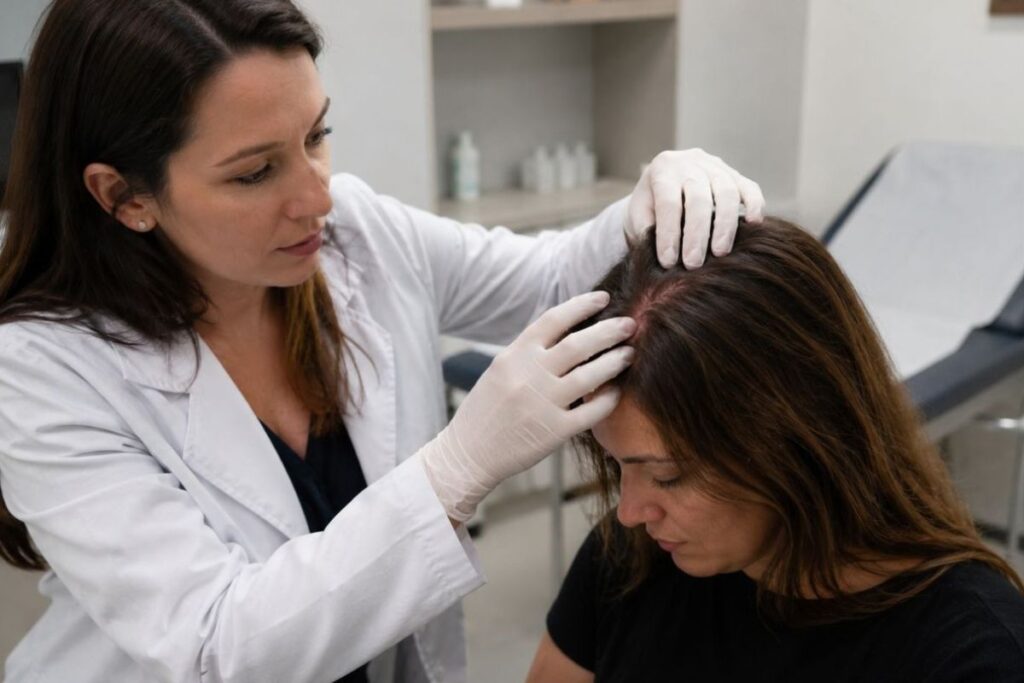
Most harsh shampoo symptoms improve once you switch products. Some signs mean it is time to see a professional instead.
Red Flags: Burning, Swelling, Persistent Redness
Burning or stinging during use is never normal. Neither is visible swelling or redness that lasts for days. These symptoms suggest a genuine allergic reaction rather than simple dryness.
When Switching Shampoos Three Times Hasn’t Helped
Have you tried three different gentle formulas with no improvement? This suggests something beyond your shampoo choice. An underlying scalp condition may be at play. A dermatologist can identify what home experimentation cannot.
Frequently Asked Questions
How do I know if my shampoo is too harsh?
Your shampoo is too harsh if your scalp feels tight or itchy after washing. Fast fading color and quick greasy roots are two more signs. These reactions indicate that strong sulfates are stripping away too much natural oil.
What are signs of sulfate damage to hair?
Signs of sulfate damage include dryness, frizz, and increased breakage. Hair can also feel rough or straw like to the touch. Color fades faster too, since sulfates open the hair cuticle during washing.
Why does my scalp feel tight after washing my hair?
A tight feeling after washing means your natural oil barrier has been stripped. This is a common sign of a harsh, sulfate heavy shampoo. Switching to a gentler formula usually resolves this within a few washes.
Can shampoo make your scalp produce more oil?
Yes, harsh shampoo can trigger your scalp to overproduce oil. This happens because stripping natural oils signals your sebaceous glands to compensate. The result is hair that looks oily again much faster than normal.
What ingredients should I avoid in shampoo?
Avoid sulfates like sodium lauryl sulfate and sodium laureth sulfate if your scalp reacts poorly to them. Short chain alcohols and synthetic fragrance are also worth checking for. These ingredients commonly trigger dryness and irritation.
Why is my hair color fading so fast after washing?
Fast fading color usually points to a harsh, sulfate heavy shampoo. These strong cleansers open the hair cuticle during washing. This lets color molecules escape the hair shaft faster than they normally would.
Can a harsh shampoo cause hair loss?
A harsh shampoo alone rarely causes permanent hair loss. Chronic scalp irritation and increased breakage can still contribute to a thinning appearance over time. Switching to a gentler formula often improves this within a few months.
I switched to a new shampoo a few weeks ago and now my scalp feels dry and flaky, but my hair also looks greasy by the next day. Is my shampoo too harsh, or is something else going on?
This combination points strongly toward a harsh shampoo. Dry, flaky scalp alongside fast greasy roots is a classic sign of the oil rebound cycle. Switching to a gentle, sulfate free formula for several weeks should show real improvement.
I have used the same drugstore shampoo for years with no problems, but lately my hair feels dry and brittle no matter what conditioner I use. Could my shampoo suddenly be too harsh?
Yes, this can genuinely happen. Hormonal shifts, water changes, or hair damage from other sources can make an old shampoo suddenly feel too harsh. Try a gentler formula for four to six weeks to see if your texture improves.
Conclusion
Knowing if your shampoo is too harsh comes down to a few clear signs. A tight or itchy scalp, fast fading color, and quickly greasy roots all point in the same direction. These signs mean your shampoo is stripping more oil than your scalp can replace.
Remember three things. First, give any new shampoo one to two weeks before judging it. Second, check your ingredient list for sulfates and short chain alcohols. Third, if switching formulas three times yields no improvement, see a dermatologist rather than guessing further.
Explore more hair care guides on HairStyleFreek to build a routine that actually works for your specific scalp and hair type.