Key Takeaways
- A deep conditioner adds everyday moisture. It coats the outer layer of your hair.
- A hair mask is stronger. It goes deeper to repair real damage.
- Your hair porosity changes which product you need.
- Too much conditioning is a real problem. Mushy, weak hair needs protein, not more moisture.
- Most women do best with a deep conditioner weekly and a mask every one to two weeks.
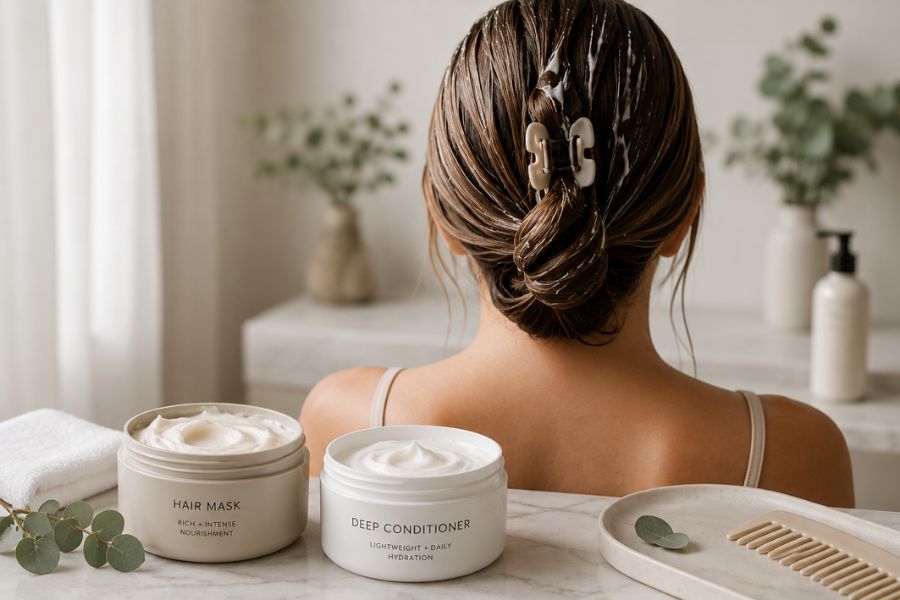
A hair mask and a deep conditioner are not the same product. They just look the same on the shelf. A deep conditioner restores moisture in 10 to 30 minutes. It works on the outer cuticle layer of your hair. A hair mask is stronger and more concentrated. It goes deeper into the hair to repair breakage and serious dryness. Knowing the difference between a hair mask and a deep conditioner is the key to real results.
Most women grab whichever product looks richest. That guess is exactly why results stay inconsistent. This guide fixes that. The whole decision comes down to one simple idea this guide calls the Maintain or Repair Rule. If your hair needs maintenance, use a deep conditioner. If your hair needs repair use a mask. Every section below shows you which side of that rule your hair is on.
You will learn how each product works, which one fits your hair type, how porosity changes the answer, how to apply each one, and what over conditioning looks like. There is also a full comparison table.
What Is the Difference Between a Hair Mask and a Deep Conditioner?
The difference comes down to three things. Strength, depth, and purpose. A deep conditioner works on the outer layer of your hair. It restores moisture and softness. A hair mask works deeper. It reaches the inner layer to repair real damage.
Why the Two Are Constantly Confused
Both products sit in the same aisle. They come in similar jars. You apply them the same way. But the similarity ends there. Raven Hurtado is a hairstylist at Maxine Salon in Chicago. She explains it simply: ”A hair mask is more reparative, giving intense moisture that gets deep into the hair shaft. Deep conditioners are a thinner formula that coats the outer layer of the hair shaft.” Use the wrong one and you get poor results. Most women then blame the product. The real problem was the mismatch.
Is a Deep Conditioner Actually a Type of Hair Mask?
It depends on who you ask. Rogerio Cavalcante founded The Second Floor Salon in New York. He says a deep conditioner is technically a type of hair mask. In his view, masks are a big category with many formulas inside it. But brands like Wella and Neuma treat them as separate products. Here is the practical answer. Think of them as two different tools. Each one solves a different problem. The label matters less than the job.
What Is a Deep Conditioner?
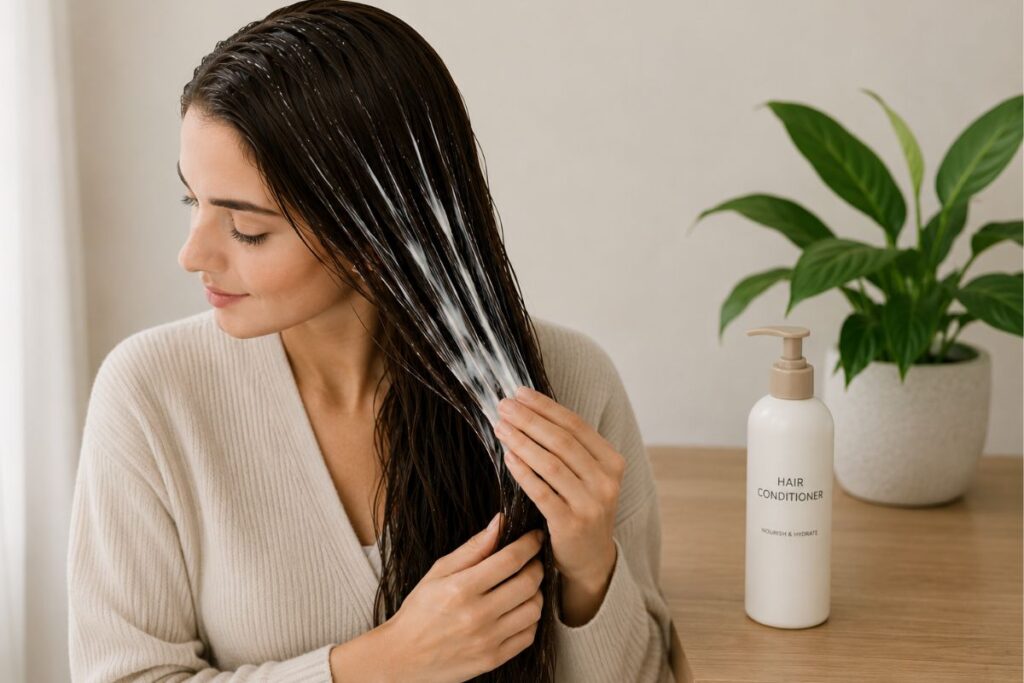
A deep conditioner is a moisture treatment. It sits on damp hair for 10 to 30 minutes. It delivers moisture to the outer cuticle layer. The result is softer hair, less frizz and easier styling between washes.
How It Works on the Outer Cuticle Layer
The cuticle is the outer layer of each hair strand. Under a microscope it looks like overlapping scales. Shampoo lifts those scales to clean your hair. A deep conditioner smooths them back down. It deposits moisture and fatty ingredients that seal the surface. Your hair then detangles easily. It feels softer. It also reflects light better, which means more shine.
Who Benefits Most From Weekly Deep Conditioning
Deep conditioning suits women with mild to moderate dryness. It helps color treated hair stay soft between salon visits. It also suits anyone who washes their hair often. The American Academy of Dermatology recommends conditioning after every shampoo. Skipping conditioner leads to dryness and more breakage over time.
What Is a Hair Mask?
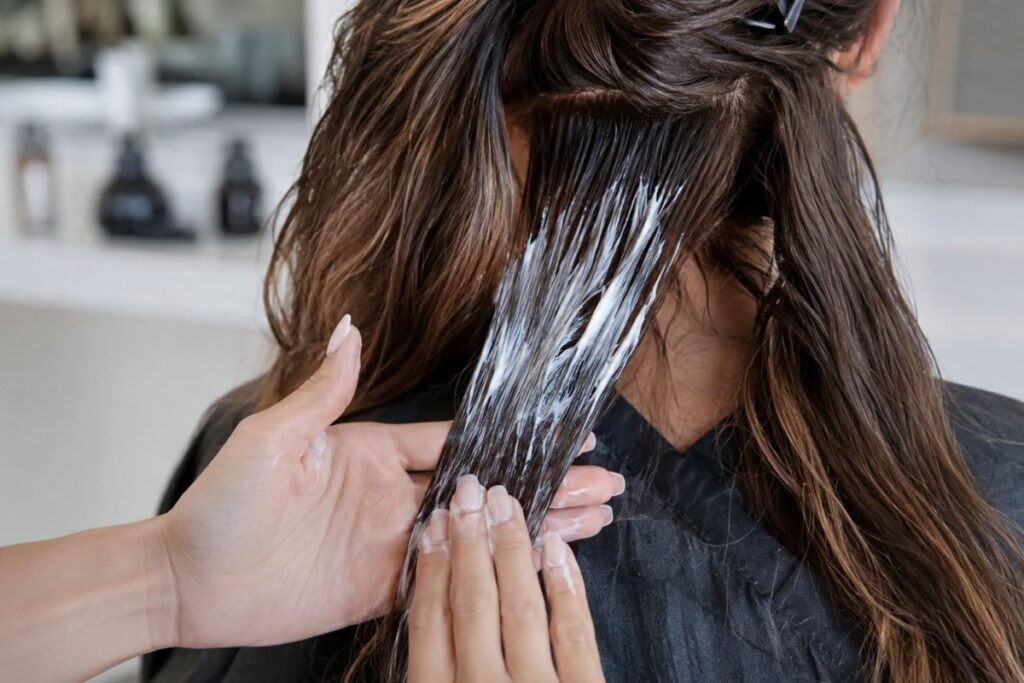
A hair mask is a concentrated treatment. It has a thicker texture than a deep conditioner. It also carries a higher dose of active ingredients. Masks target specific problems. These include breakage, split ends, severe dryness, and scalp issues.
How Hair Masks Penetrate Deeper Than Deep Conditioners
Hair masks work beyond the cuticle. They carry higher doses of proteins, amino acids, and ceramides. These ingredients reach the cortex. The cortex is the middle layer of the hair strand. This is where the structural bonds live. That deeper reach is why masks transform damaged hair in ways a conditioner cannot.
Signs Your Hair Is Asking for a Mask Not a Conditioner
Your hair gives you clear signals. It feels rough even after conditioning. You see more breakage or split ends. It looks dull no matter what shine product you use. It snaps instead of stretching when you pull a strand. These signs point to damage inside the cortex. Surface moisture alone cannot fix that.
When to Use a Deep Conditioner
Use a deep conditioner after every wash. At minimum, use it once a week.
For a Moisture Boost After Washing
A deep conditioner works best right after shampooing. The cuticle is still slightly open from the wash. Apply from mid-lengths to ends. Leave it on for 10 to 30 minutes. Rinse with cool water. The cool water closes the cuticle and locks moisture in.
For Color Treated Hair Maintenance
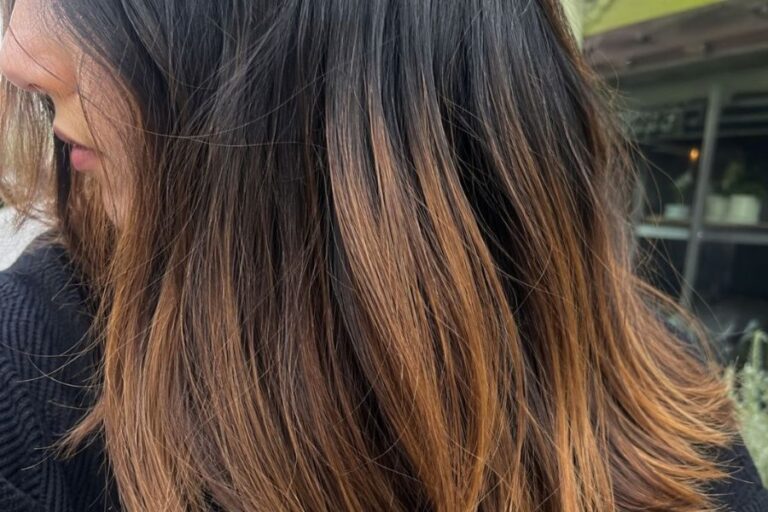
Colored hair loses moisture faster than natural hair. The coloring process permanently changes the cuticle. A weekly deep conditioner keeps colored hair soft. It also slows fading. A dry, rough cuticle cannot hold dye well. A smooth, moisturised one can.
To Increase Shine and Smoothness
Does your hair look dull between washes? Consistent deep conditioning is usually the missing step. Most women see better shine within two to three weeks of weekly use.
When to Use a Hair Mask
Use a hair mask when your hair shows real damage. Use it when everyday moisture stops working.
For Deep Hydration When Hair Feels Very Dry
Some hair feels like straw even after conditioning. That hair has passed the point where a conditioner helps. A mask every week or two delivers stronger ingredients. It also stays on longer. More time means deeper absorption.
When You Have Breakage or Split Ends
A protein mask is the right tool for breakage. The proteins bond to damaged sections inside the hair. This reduces further snapping while your hair grows out.
To Address Scalp Health and Dryness
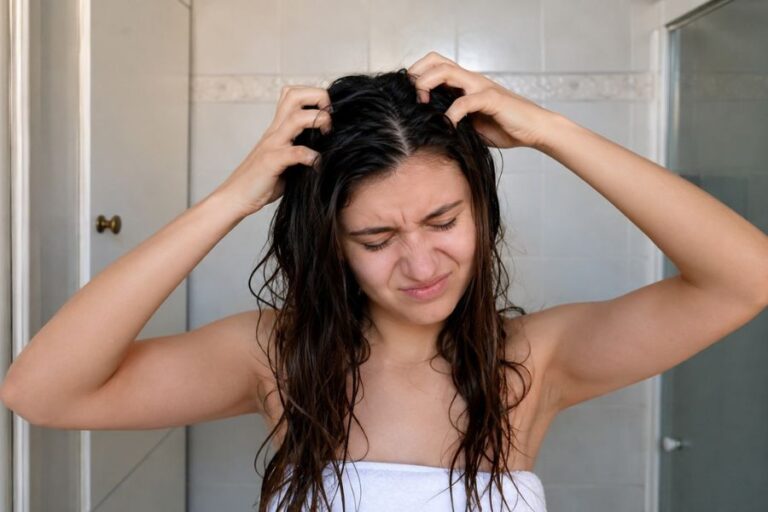
Winter and heavy styling products dry out the scalp. A scalp mask targets this directly. Ingredients like tea tree oil and salicylic acid work at the root. A regular conditioner never reaches that deep.
To Support and Define Your Curl Pattern
Curly and coily hair needs deep hydration to hold its shape. A mask every one to two weeks keeps curls defined. Brands like Cantu, Mielle, and Aunt Jackie’s are popular picks in the US natural hair community.
When You Can Use Either Product
Both products work for mild dryness, color protectio and shine.
The Situations Where Both Deliver Similar Results
Is your hair only slightly dry? Not damaged, just a little thirsty? Then either product will work. Women with medium porosity hair get similar results from both.
How to Decide When in Doubt
Use the Maintain or Repair Rule. Maintenance means deep conditioner. Repair means mask. Deep conditioning keeps good hair good. Masking rescues hair that is telling you something is wrong.
Hair Mask vs Deep Conditioner: Full Side by Side Comparison
This table covers everything that matters when choosing between the two.
| Feature | Deep Conditioner | Hair Mask |
| Main purpose | Moisture and manageability | Intensive repair and targeted treatment |
| Texture | Creamy and lighter | Thick and concentrated |
| Penetration depth | Outer cuticle layer | Deeper into cortex |
| Time on hair | 10 to 30 minutes | 5 to 20 minutes |
| Use frequency | Weekly or every wash | Once or twice weekly |
| Best for | Routine dryness, color care, shine | Breakage, scalp issues, deep hydration |
| Protein or moisture | Mostly moisture | Protein, moisture, or both |
| USA price range | $8 to $35 | $10 to $45 |
| Over-conditioning risk | Lower | Higher with protein masks |
| Best porosity match | Low to medium porosity | High porosity and damaged hair |
Texture and Consistency Differences Explained
You can feel the difference before you open the lid. A deep conditioner is creamy, like lotion. A hair mask is thick, almost like paste. It stays where you put it. That thickness reflects the higher dose of active ingredients inside.
Results You Can Realistically Expect From Each
A deep conditioner gives you softer, shinier hair by your next wash. A hair mask gives you a bigger shift. Hair feels stronger. It tangles less. With regular use, it looks visibly healthier week after week. Mask results fade eventually. But they build over time with consistency.
Key Ingredients in Each and What They Actually Do
Reading the label tells you if a product will actually work. Here is what to look for.
Humectants and Emollients in Deep Conditioners
Humectants attract moisture into the hair. The most common ones are glycerin, panthenol, and aloe vera. Emollients seal that moisture in. They fill the gaps between cuticle scales. Look for argan oil, jojoba oil, and shea butter. Ceramides add one more layer of protection. They support the hair’s natural barrier and slow moisture loss between washes.
Proteins, Ceramides, and Amino Acids in Hair Masks
Protein is what separates most masks from conditioners. Keratin, wheat protein, and silk amino acids bond to damaged spots in the hair. They fill gaps in the cortex caused by heat or chemicals. This restores elasticity. Bond repair masks go one step further. Ingredients like bis aminopropyl diglycol dimaleate reconnect broken bonds inside the hair. Olaplex and K18 built their brands on this technology.
What to Look for on the Label for Your Concern
For dryness, look for glycerin, panthenol, and shea butter near the top of the list. For breakage, look for hydrolyzed keratin or wheat protein. For color protection, look for vitamin E and UV filters. For scalp health, look for salicylic acid, tea tree oil, or niacinamide.
Which One Does Your Hair Type Actually Need?
Your hair type narrows the choice fast.
Fine and Thin Hair
Fine hair does best with a lightweight deep conditioner once a week. Heavy masks flatten fine hair. The limpness lasts until your next wash. If fine hair needs a mask, use one every two to three weeks. Choose a moisture mask, not a protein one. Too much protein makes fine hair stiff.
Curly, Coily and Textured Hair
Curly hair needs both products. Just on different schedules. Use a deep conditioner for natural hair after every wash. That maintains your baseline moisture. Add a protein mask every two to four weeks. That maintains your structure. Mielle, Cant and SheaMoisture make popular options for both.
Color Treated and Heat-Damaged Hair
This combination needs the most care. Color breaks bonds inside your hair. A 2023 review published in Frontiers in Medicine confirmed that chemical hair treatments damage the hair’s internal structure and weaken its physical strength. Heat styling makes it worse with every pass.
Use a moisture deep conditioner weekly. It keeps hair soft and slows fading. Add a protein mask every two to three weeks. It repairs what the moisture cannot. Using only one type leaves hair unbalanced. Too much moisture makes it weak. Too much protein makes it stiff.
How Hair Porosity Changes Which Product You Should Use
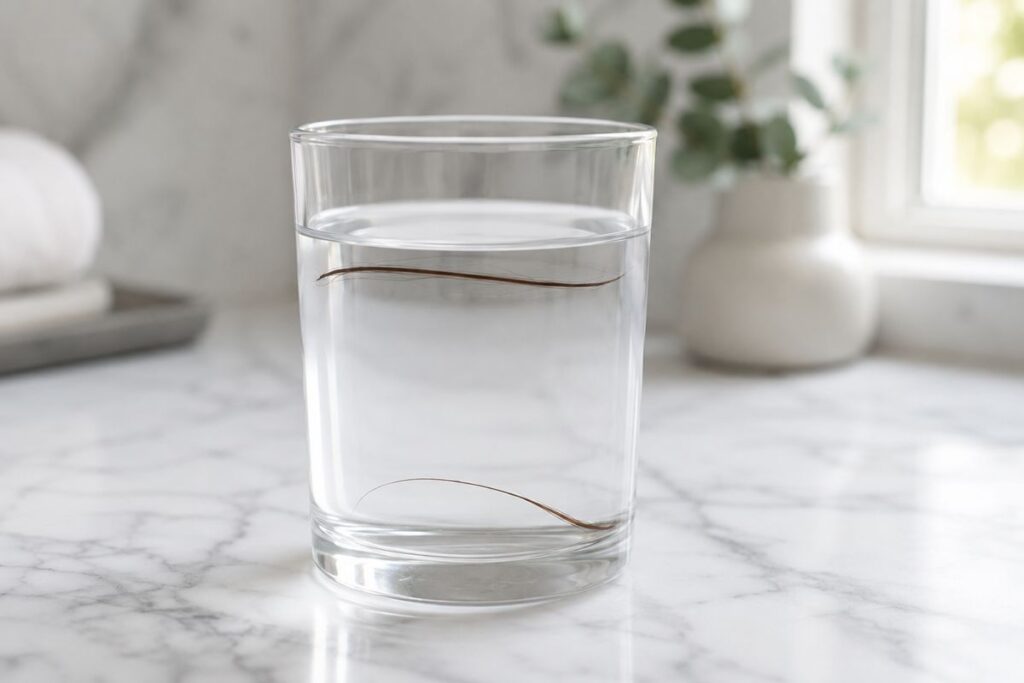
Porosity means how easily your hair absorbs and holds moisture. It changes which product you should reach for.
How to Test Your Hair Porosity at Home
Drop a clean hair strand into a glass of water. Watch it for a few minutes. Sinks fast? High porosity. Sinks slowly? Medium porosity. Floats near the top? Low porosity. This simple test gives you a reliable starting point.
High Porosity Hair and Why It Needs Intensive Masking
High porosity hair has gaps in the cuticle. Damage or genetics causes these gaps. Moisture enters fast but leaves just as fast. Protein masks fill those gaps temporarily. This slows the moisture loss. A conditioner alone cannot protect high porosity hair between washes. Seal with a heavier oil after masking for even longer results.
Low Porosity Hair and Why Heavy Masks Cause Buildup
Low porosity hair has a tightly closed cuticle. Products struggle to get in. Heavy masks just sit on top. They build up and make hair feel coated and dull. A lightweight deep conditioner works better here. Add gentle heat to help. A warm towel wrapped around your head for five minutes opens the cuticle slightly. That small change makes a big difference.
Can You Use a Hair Mask and Deep Conditioner Together?
You can. But you usually should not. Using both in one session risks over conditioning for most hair types.
The Correct Order If You Use Both in One Session
Sometimes both make sense in one wash. Here is the order. Shampoo first. Apply the mask to clean hair. Rinse it fully. Then apply a light deep conditioner for two to five minutes. Rinse again. The mask does the deep work first. The conditioner adds a final smooth layer.
When Using Both Makes Sense and When It Does Not
Both in one session makes sense after a color service. It also helps after heavy heat styling. Or at the start of a damage recovery plan. For normal maintenance, alternate instead. Mask one wash day. Deep condition the next. This gives better results with far less risk.
How to Apply a Deep Conditioner Step by Step
Step 1: Shampoo and rinse well. Clean hair absorbs treatment better than hair with buildup.
Step 2: Squeeze out the extra water. Dripping wet hair dilutes the product. Damp hair absorbs it.
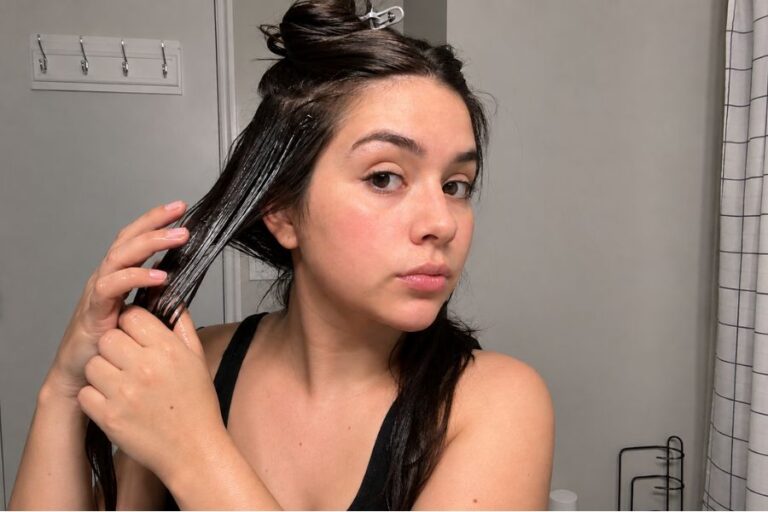
Step 3: Apply from mid lengths to ends. Spread it evenly with your fingers or a wide tooth comb.
Step 4: Leave it on for 10 to 30 minutes. Low porosity hair? Wrap a warm towel around your head for the last five minutes.
Step 5: Rinse with cool water. Cool water closes the cuticle. A closed cuticle locks moisture in.
How to Apply a Hair Mask Step by Step
Step 1: Shampoo and squeeze out extra water. The mask needs clean hair to absorb properly.
Step 2: Apply generously from roots to ends. Focus extra product on damaged areas. That usually means your mid lengths and ends.
Step 3: Comb it through with a wide tooth comb. Even coverage means even results.
Step 4: Add gentle heat for 10 to 20 minutes. Use a bonnet dryer a warm towel, or a shower cap in a warm shower. Heat opens the cuticle so ingredients go deeper.
Step 5: Rinse well with warm water, then finish cool. Good rinsing prevents heavy residue.
Can You Leave a Hair Mask on Overnight?
Most masks do not need overnight time. A good mask finishes absorbing within 20 to 30 minutes. Overnight use raises the risk of over conditioning. Some masks also contain active ingredients like menthol or salicylic acid. Those can irritate your scalp over many hours. Check the label first.
Should You Shampoo After a Hair Mask?
No. Shampooing after a mask washes away everything you just applied. Rinse with water only. Does your mask leave residue that water cannot remove? Then it is the wrong formula for your hair. Or you used too much.
How Often Should You Use Each?
Deep Conditioning Frequency by Hair Type
| Hair Type | Deep Conditioner Frequency | Notes |
| Fine or thin | Every 7 to 10 days | Lightweight formulas only |
| Medium and normal | Once weekly | Standard maintenance |
| Thick and coarse | Once or twice weekly | Absorbs more product |
| Natural and coily | After every wash | Higher moisture needs |
| Color-treated | Once weekly minimum | Color increases dryness |
| Heat-damaged | Once or twice weekly | Moisture-focused formulas |
Hair Mask Frequency and Signs You Are Overdoing It
Most hair types do well with a mask every one to two weeks. Very damaged or high porosity hair can handle weekly masks. Watch for warning signs. Hair feels stiff after drying. Tangling gets worse, not better. Hair loses body and movement. Strands snap instead of stretching. These signs mean you are masking too often.
Signs You Are Over Conditioning Your Hair
Over conditioning is more common than most women think. It happens a lot in the natural hair community. Layering moisture products is standard there. Sometimes it goes too far.
What Over Conditioning Is and Why It Happens
Over conditioning means too much moisture without enough protein. Here is what happens inside your hair. Hair swells every time it absorbs water. It shrinks every time it dries. Repeat this too often and the internal bonds weaken. Cosmetic science research on repeated water swelling of hair fibers calls this hygral fatigue. That is why over conditioned hair feels soft but still breaks.
How to Tell If Your Hair Is Over Conditioned
Check for these signs. Hair feels mushy or gummy when wet. A gently pulled strand does not spring back. Hair feels soft when dry but has no body. Styling products stop holding. Curls fall flat faster than usual. All of these mean too much moisture and not enough protein.
How to Fix Over-Conditioned Hair
Stop deep conditioning for one to two weeks. Use a protein treatment to restore balance. Use only a light rinse out conditioner in the meantime. Test a strand each week. When it stretches and springs back your balance has returned. Then restart deep conditioning at a lower frequency.
Common Mistakes to Avoid
Applying to Unwashed or Product Coated Hair
Neither product absorbs through layers of styling product or oil buildup. Always shampoo first. The treatment needs direct contact with your cuticle.
Overusing and Causing Buildup or Protein Overload
Too many protein masks cause protein overload. Hair turns stiff, dry and brittle. That is the opposite of your goal. Heavy treatments used too often also cause buildup. Buildup blocks future moisture from getting in. Clarify monthly to reset.
Choosing the Wrong Formula for Your Hair Type
A thick mask made for coily hair will flatten fine hair for days. A light conditioner will rinse straight out of bleached high porosity hair. Match the formula weight to your hair type. Match the protein level to your damage level.
Frequently Asked Questions
I use a deep conditioner every wash day because my natural hair is really dry, but lately my hair feels mushy and weak when wet. Is it possible to use too much conditioner?
Yes. This is over-conditioning. Moisture after every wash without protein causes hygral fatigue. Stop deep conditioning for one to two weeks. Use a protein treatment. Wait until your hair feels springy and strong again. Then return to weekly conditioning with a lighter formula.
My hair is color treated and heat damaged. Should I use a hair mask or a deep conditioner first?
Use both, but on different days. A moisture deep conditioner weekly keeps hair soft and protects your color. A protein mask every two to three weeks repairs the broken bonds. Do not stack them in one session regularly. Alternating across wash days is safer and more effective.
Conclusion
The difference between a hair mask and a deep conditioner is real. It is not marketing language. Each product works differently inside your hair. Each solves a different problem.
Remember the Maintain or Repair Rule. Match the product to the problem not the packaging. Use a deep conditioner weekly for softness and color protection. Reach for a mask when you see damage that regular conditioning cannot fix. And watch for over conditioning. More moisture is not always the answer.