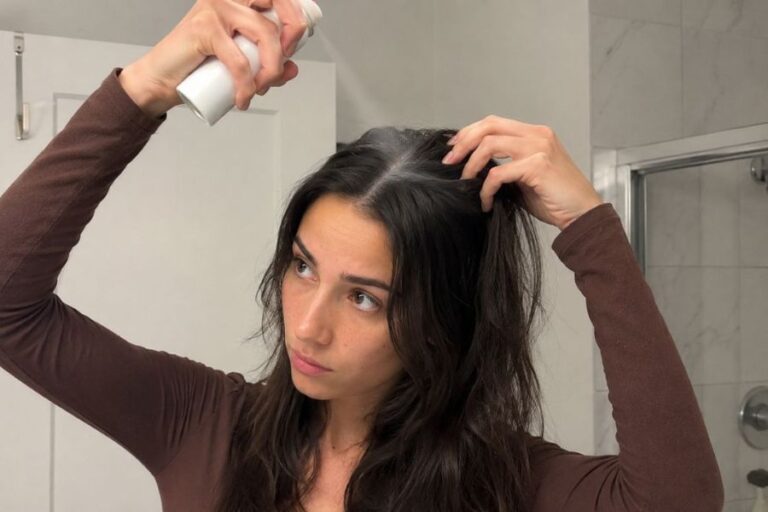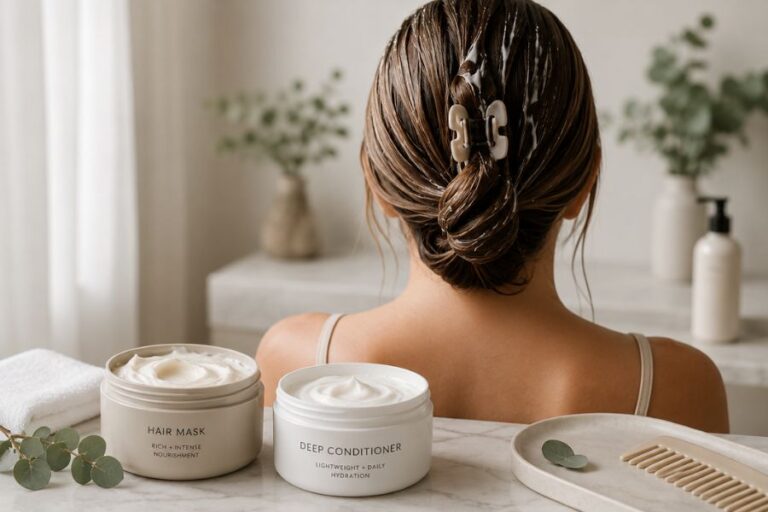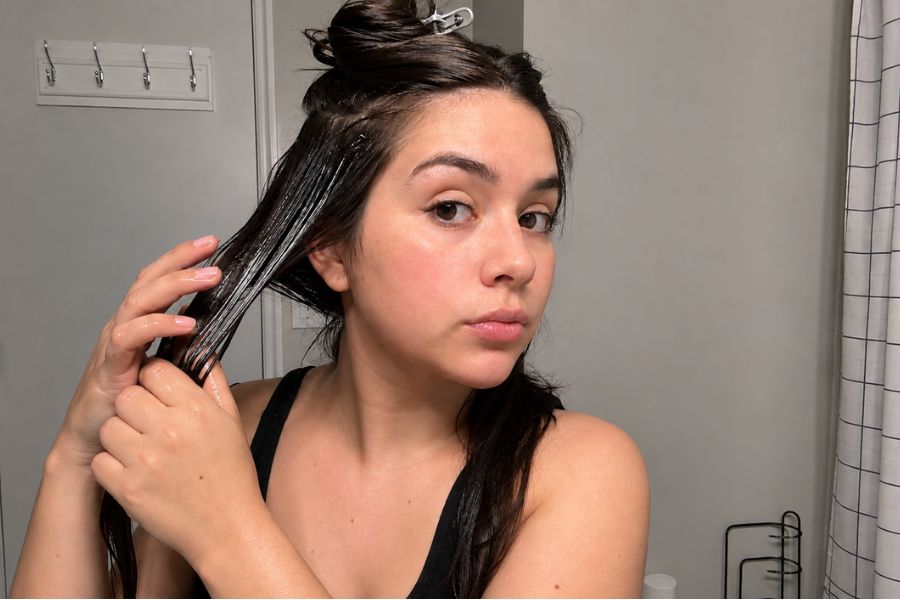
For hair growth, castor oil is applied to the scalp in a small amount, worked in by hand, and left there for at least half an hour before rinsing. You can also leave it on overnight for a deeper treatment. Then wash it out thoroughly. Before you start, it is worth knowing something upfront. There is currently no strong scientific evidence that castor oil directly promotes hair growth.
Have you seen castor oil trending everywhere lately? You are not imagining it. This guide gives you the honest science behind it. You will learn what ricinoleic acid actually does. You will learn exactly how to apply castor oil for your specific hair type. You will learn the exact dilution ratio, which makes it far easier to use, too. You will also learn how to use it safely on eyebrows, eyelashes, and color treated hair. We will cover what a realistic timeline for results actually looks like.
✔ Key Takeaways
- To use castor oil for hair growth, massage a small amount into your scalp. Leave it on for at least 30 minutes.
- No strong scientific evidence currently confirms castor oil directly grows hair.
- A one part castor oil to two parts carrier oil ratio makes application far easier.
- Your hair type changes how much oil you should use and where to apply it.
- Real results take patience. Most people notice softness first. Shine tends to follow over several months.
How to Use Castor Oil for Hair Growth
Massage castor oil into your scalp using your fingertips. Give it at least 30 minutes to sit. Rinse it out fully with shampoo afterward.
Why This Remedy Is Trending Despite Limited Proof
Castor oil has circulated online for years as a natural hair growth fix. Social media has amplified this even further recently. The appeal makes sense. It is cheap. It is natural. It is easy to find. The honest picture is more complicated than most posts suggest, though.
Does Castor Oil Actually Work for Hair Growth?
There is currently no strong scientific evidence that castor oil directly promotes hair growth. Most claims about its effectiveness remain anecdotal.
What the Current Research Actually Shows
Very little recent research has tested castor oil specifically for hair growth. One study looked at various herbal ingredients used in hair loss treatments. It identified castor oil as one of those with potential to be safe and effective for slowing hair loss, as researchers noted in an in silico analysis of herbal hair-loss ingredients. This is promising but preliminary. It is not the same as a direct clinical trial proving hair growth.
The Vasodilation Theory, and Why It Remains Unproven
Ricinoleic acid is castor oil’s main fatty acid. It may stimulate certain receptors in the body. These receptors play a role in blood vessel dilation, according to pharmacology documentation from the National Library of Medicine. In theory, this could increase blood flow to hair follicles when applied to the scalp. No current research has directly tested this specific effect on human hair growth, though. The mechanism remains a reasonable hypothesis. It is not a proven outcome.
Why So Many People Still Report Results Anyway
Castor oil genuinely moisturizes hair. It also reduces breakage. Less breakage means you keep more of the length you already have. Many people mistake this retained length for faster growth. Your hair is not growing quicker. You are simply losing less of it along the way.
What Is Castor Oil and How Does It Work?
Castor oil comes from the seeds of the castor bean plant, called Ricinus communis. It is produced by pressing the seeds and purifying the oil.
Ricinoleic Acid and Where It Comes From
Ricinoleic acid makes up roughly 90 percent of castor oil. This is a monounsaturated fatty acid. It gives castor oil its thick, distinctive texture. This same fatty acid may help nourish hair follicles. It may also moisturize the scalp, a finding reported in a review of indigenous hair oil knowledge published in PMC.
Antioxidant and Antimicrobial Properties
Castor oil contains real antioxidant, anti inflammatory, and antimicrobial properties. Research on the antioxidant potential of Ricinus communis confirms this. These properties may help support a healthier scalp environment. A healthier scalp is less prone to conditions like dandruff. Fewer scalp issues generally means less hair breakage overall.
Why It Moisturizes and Coats the Hair Shaft So Effectively
Castor oil’s thick texture works as a natural sealant. It coats each strand and locks moisture inside. This makes hair feel smoother and more flexible. Dry hair prone to breakage benefits most from this kind of coating. This effect reduces the friction that leads to split ends.
Pure vs Jamaican Black vs Diluted Castor Oil: Which Should You Buy?
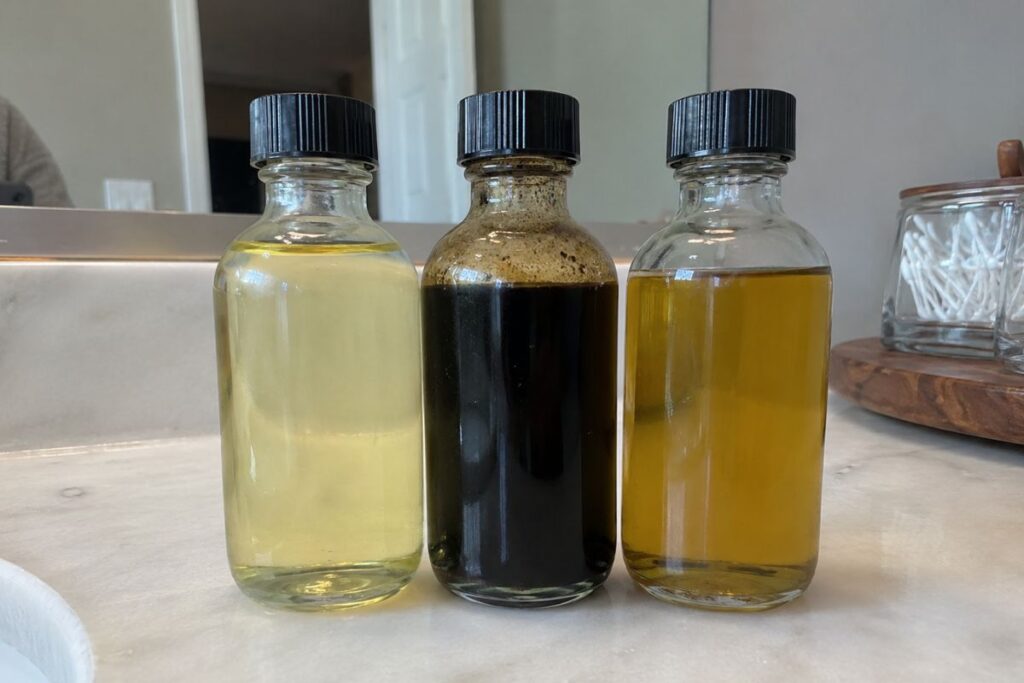
For anyone new to castor oil, the pure, cold pressed version is usually the easiest starting point. Jamaican black castor oil and diluted blends each serve more specific purposes.
Cold Pressed, Pure Castor Oil Explained
Pure, cold pressed castor oil is a pale, translucent yellow. It is made by pressing raw castor beans without heat. This gentle extraction method preserves more of the oil’s natural nutrients. Look for hexane free labeling too. This confirms no harsh solvents were used during extraction.
Jamaican Black Castor Oil and What Makes It Different
Jamaican black castor oil goes through a different process entirely. The beans get roasted first. They then get boiled to extract the oil. This traditional method leaves some of the ash from the roasted beans in the final product. That ash content is exactly what gives Jamaican black castor oil its deep color and smoky scent. It also gives it a slightly higher pH. Many people with thick, coarse, or very dry hair prefer it specifically. Its heavier texture holds up well for intensive treatments.
Pre-Diluted Blends, and When They Make Sense
Pre-diluted castor oil blends mix castor oil with a lighter carrier oil. Coconut and jojoba oil are common choices. This makes the product easier to apply and rinse out. Diluted blends work especially well for fine hair. They also suit first time users who find pure castor oil too heavy or sticky to manage.
| Type | Texture | Best For | How to Apply | Where to Find It |
| Pure Cold Pressed | Very thick, sticky | Coarse or thick hair, DIY blends | Direct scalp massage | Health food stores, online |
| Jamaican Black | Thick, dark, ashy scent | Thick, coarse, or very dry hair | Direct scalp massage | Specialty beauty stores |
| Diluted Blend | Lighter, easier to spread | Fine hair, first time users | Apply throughout, easier rinse | Drugstores, online |
How to Prepare and Apply Castor Oil Step by Step
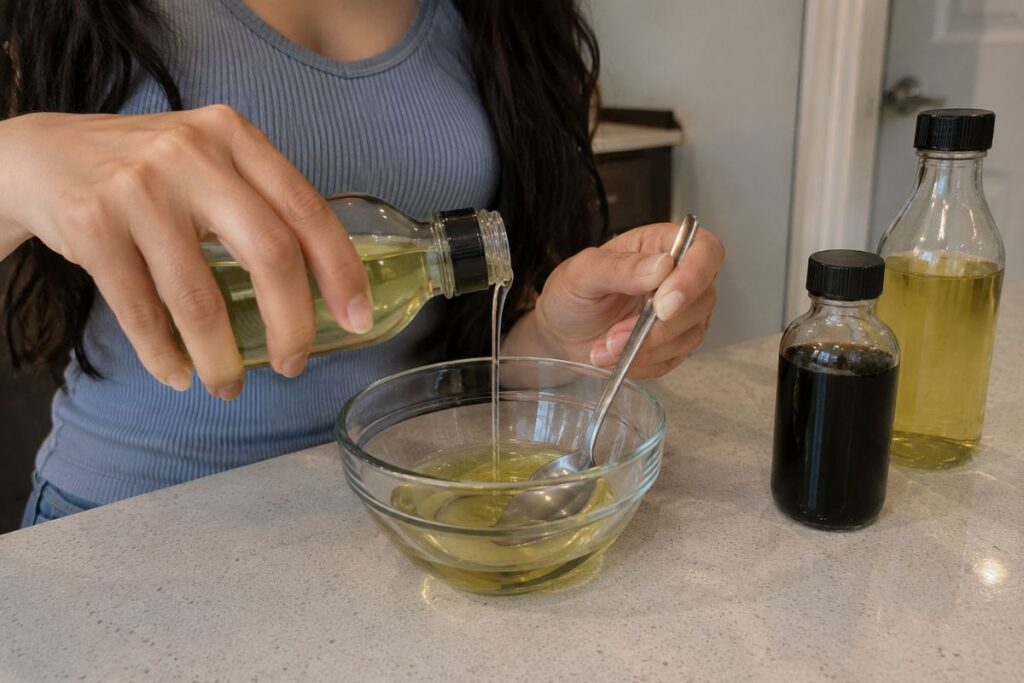
A little preparation makes castor oil dramatically easier to work with.
The Patch Test
Step 1: Apply a small amount of castor oil behind your ear or on the inside of your elbow. Wait 24 hours before proceeding.
Step 2: Check for redness, itching, or swelling. If none appear, it is likely safe to continue.
Diluting Castor Oil the Right Way
Pure castor oil is genuinely difficult to spread on its own. A one part castor oil to two parts carrier oil ratio solves this problem. For example, mix one tablespoon of castor oil with two tablespoons of jojoba, argan, or fractionated coconut oil. Jojoba oil is a good choice.
Its composition closely resembles your scalp’s own natural oil. Argan oil brings extra shine while keeping hair feeling light. Fractionated coconut oil, unlike regular coconut oil, remains liquid even at room temperature. Regular coconut oil does not, which makes fractionated coconut oil easier to blend.
Warming the mixture slightly before applying can also help. Place your bowl of oil inside a larger bowl of warm water for a few minutes. This makes the oil noticeably easier to spread. It also feels more comfortable on the scalp.
Scalp Massage and Application Technique
Step 3: Section your hair into a few parts. Apply the oil mixture directly along each part using your fingertips. Never use your nails.
Step 4: Once you have covered the main sections, massage your entire scalp using slow, circular motions. Take your time here. This step also helps distribute the oil evenly down to the roots.
Step 5: Work any remaining oil through the length and ends of your hair, if desired. This helps seal in moisture along the strand itself.
Keeping the Mess Contained
Castor oil treatments can get messy. A little preparation helps. Throw on an old shirt you would not be upset to stain with oil. Drape a towel over your shoulders while you work. This keeps stray drips off your clothes. It also makes cleanup much simpler afterward.
Cover, Wait, and Wash Out Correctly
Step 6: Put on a shower cap or silk hair wrap to keep the oil in place. This also protects your pillow if you leave it in overnight.
Step 7: Leave the oil on for at least 30 minutes. For a deeper treatment, leave it on for 1 to 2 hours or overnight.
Step 8: Apply shampoo directly to your dry, oiled hair before adding any water. This lets the shampoo emulsify the oil first. That makes it far easier to rinse away completely.
Step 9: Add a small amount of water and massage to build a lather. Rinse thoroughly with warm water. You will likely need a second, normal shampoo wash to remove any remaining residue.
Castor Oil Application by Hair Type
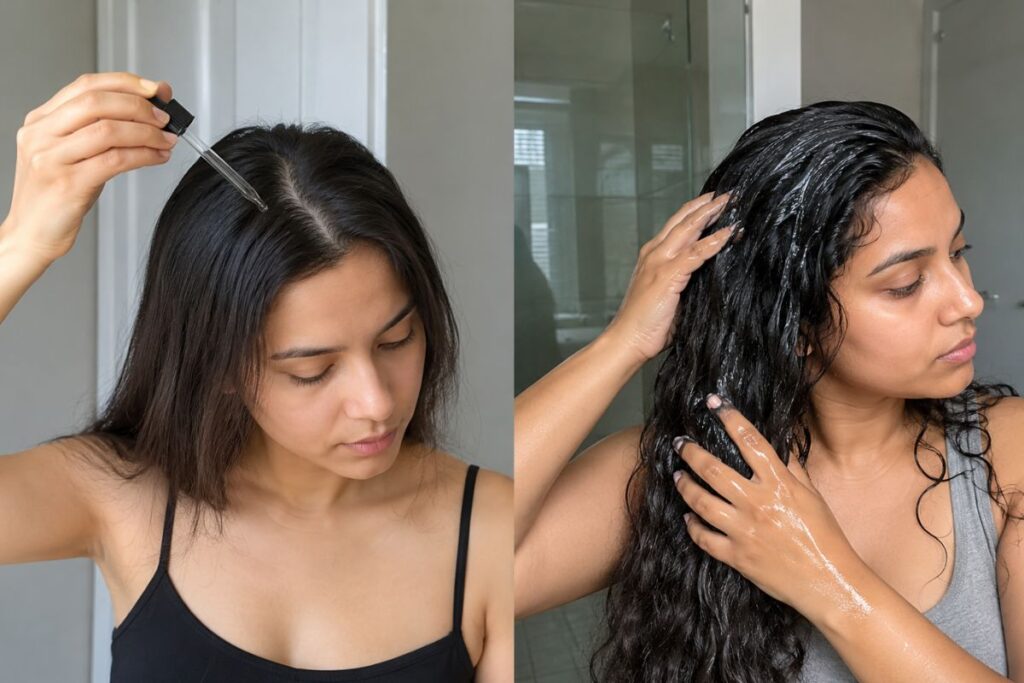
Your hair type should determine exactly how much castor oil you use, how long you leave it on, and where you apply it.
Fine and Low Porosity Hair: How to Avoid Weigh Down
Fine hair is easily weighed down by castor oil’s thick texture. Use a diluted blend instead of pure oil. Apply only to your scalp and roots. Skip the length entirely. Keep treatments to around 30 minutes. Start with once weekly. A little goes a long way here.
Thick, Coarse, or High Porosity Hair: Getting Full Absorption
Thick or high porosity hair can handle pure castor oil well. Apply generously and work it through your scalp and length both. This hair type often absorbs oil quickly. Do not be afraid to use more than you would for finer hair. Longer treatments of one to two hours tend to work especially well here. An occasional overnight session works well too.
Curly and Coily Hair: Sealing in Moisture Correctly
Curly and coily hair benefits from castor oil as a sealing step. Apply it after a water based leave-in product, not before. This traps moisture inside the strand rather than blocking it out. Focus extra product on your ends. They tend to be the driest and oldest part of each strand.
Using Castor Oil for Eyebrows and Eyelashes
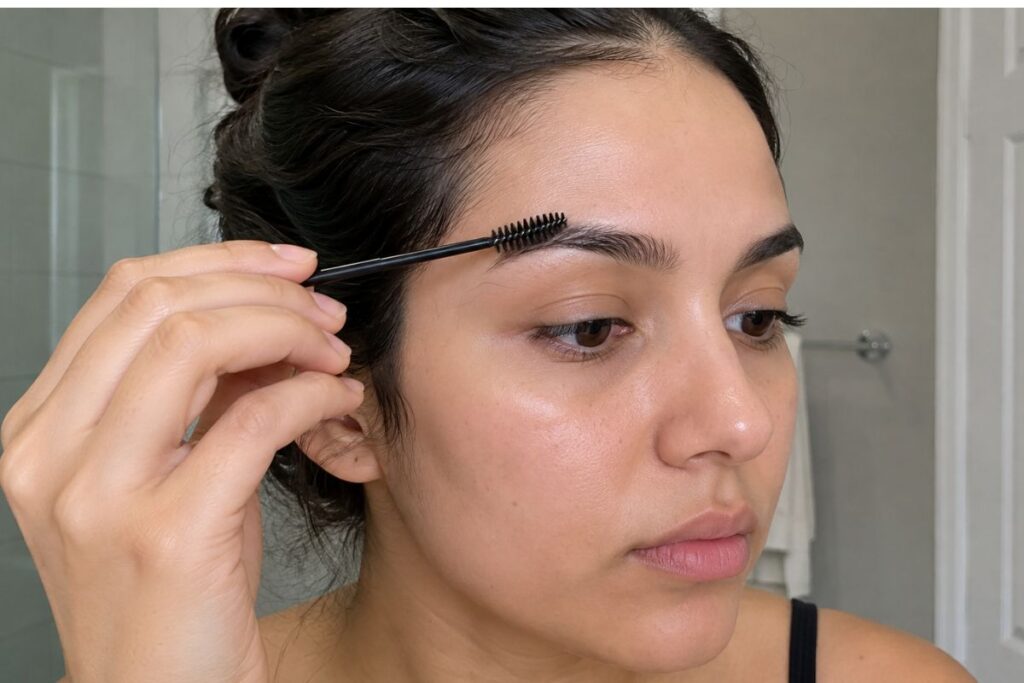
Apply a tiny amount of castor oil to clean eyebrows and lashes using a clean spoolie brush or cotton swab.
Safe Application Near the Eyes
Use an old, clean mascara wand or a cotton swab for precise application. Apply along the brow or lash line only. Avoid direct contact with your eyes. A patch test on your inner arm beforehand is worth doing too. The skin around your eyes is especially sensitive.
Realistic Expectations and Timeline
Give this treatment at least 8 to 12 weeks before judging the results. Hair growth cycles are slow everywhere on your body. Eyebrows and lashes are no exception. Consistency matters more than quantity here. A small amount applied nightly works better than a large amount applied occasionally.
Is Castor Oil Safe for Color Treated Hair?
Yes, castor oil is generally safe to use on color treated hair. A small precaution is worth taking first, though.
Why a Strand Test Matters Here Specifically
Castor oil is a heavy, deeply penetrating oil. There is a small chance it could slightly affect how vibrant your color looks after repeated treatments. Before doing a full application, test your castor oil mixture on a small, hidden section of hair first. Let it sit for your full intended treatment time. Wash it out and check the color once your hair is dry. This simple step gives you real peace of mind before committing to a full treatment.
How Often Should You Use Castor Oil?
Use castor oil once or twice a week as a starting point for most hair types.
A Realistic Weekly Starting Point
Once weekly works well for a maintenance routine. Staying consistent matters more than using a large amount. Twice weekly may suit very dry or damaged hair that needs extra moisture. Give any new routine at least four to six weeks before deciding whether it is working for you.
Signs You Should Scale Back
Does your scalp feel greasy for days after a single application? That is a sign to use less oil or apply less often. Persistent buildup or a flat, weighed down feeling both point toward the same fix. Use less product per session. Consider switching to a more diluted blend too.
Habits That Support Your Castor Oil Routine
Castor oil works best as one part of a broader healthy hair routine. It is not a standalone fix.
Diet, Hydration, and Heat Styling
A balanced diet with enough protein and key nutrients gives your hair the building blocks it needs to stay strong. Staying properly hydrated supports your scalp and skin overall. Cutting back on harsh heat styling also reduces breakage. That is the exact kind of breakage castor oil is working to prevent in the first place. None of these habits replace a castor oil routine. They do make it noticeably more effective, though.
What Results to Actually Expect, and When
Castor oil results build gradually. Most people notice texture changes long before anything more visible.
Weeks One Through Four
In the first month, focus on how your hair feels rather than how it looks. Many people notice a softer, more manageable feel fairly quickly. An irritated or dry scalp often calms down within the first few weeks of consistent use too.
Months One Through Three
With continued weekly use, some people start noticing a genuine boost in shine. Texture often feels smoother too. Hair may also feel stronger, with less breakage during brushing or styling. This is also around the point where you will know if castor oil is genuinely a good fit for your hair type.
Months Three and Beyond
By this point, you should have a clear sense of how your hair and scalp respond to regular castor oil use. Results vary significantly from person to person. Hair type, starting condition, and consistency all play a role.
Side Effects and Safety Precautions
Castor oil is generally considered safe, but a few real risks are worth knowing before you start.
Hair Felting and Matting
In rare cases, applying castor oil to hair has been linked to a condition called hair felting or matting. A case study documented in PubMed describes this exact pattern. This happens when strands twist and tangle into a dense, hard to separate mass. It happens more often with excessive product buildup left unwashed for too long.
Allergic Contact Dermatitis
Castor oil and its derivatives have been linked to allergic contact dermatitis in some users. A case report on hydrogenated castor oil in deodorant notes this reaction. Symptoms can include redness, itching, or a rash where the oil touched the skin. This is exactly why the patch test step matters. It matters most if you have sensitive skin or known allergies.
When to Stop and See a Dermatologist
Stop using castor oil immediately if you notice significant redness, swelling, or persistent irritation. A dermatologist can help identify whether you are having a true allergic reaction or something else entirely. This matters even more if you are also dealing with unexplained hair loss. A professional can rule out other underlying causes.
Frequently Asked Questions
Does castor oil actually work for hair growth?
No strong scientific evidence currently confirms castor oil directly grows hair. It may support scalp health and reduce breakage instead. Reduced breakage is often mistaken for faster growth, when in reality you are simply retaining more length.
Can I apply pure castor oil directly to my scalp?
Yes, you technically can, though it is not always practical. Pure castor oil is thick and sticky. This makes it hard to spread evenly and difficult to rinse out completely. Diluting it with a lighter carrier oil at a one to two ratio makes application and washout far easier.
How often should you use castor oil on your hair?
Most hair types do well with castor oil once or twice weekly. Very dry or damaged hair may benefit from the higher end of that range. Give any routine four to six weeks before judging its results.
Can castor oil cause hair to fall out?
Castor oil is not known to directly cause hair loss. In rare cases, it has been linked to hair felting or matting from excessive buildup. Proper washing between applications helps prevent this specific issue entirely.
I have really fine, thin hair and every time I try a castor oil treatment my hair ends up looking greasy and flat for days, even after washing it twice. Am I using too much, or is castor oil just not right for fine hair?
You are likely using too much product for your hair type. Try a diluted castor oil blend using a one to two ratio with a lighter carrier oil. Apply only to your scalp and roots, skipping the length entirely. Use less than you think you need.
I’ve been using castor oil on my eyebrows every night for a month hoping they will get thicker, but I haven’t noticed any real difference yet. Should I keep going, or am I wasting my time?
One month is likely not long enough to judge results. Eyebrow hair growth cycles typically need eight to twelve weeks before any real change becomes visible. Stay consistent with a small nightly amount before deciding whether it is working for you.
Conclusion
How to use castor oil for hair growth comes down to honest expectations paired with correct technique. Massage a small amount into your scalp. Give it time to work. Wash it out thoroughly using the shampoo-first method to avoid greasy buildup.
Remember three things. First, no strong scientific evidence currently confirms castor oil directly grows hair, though it may reduce breakage and support scalp health. Second, your hair type should determine how much oil you use, how diluted your mixture should be, and exactly where you apply it. Third, patience matters more than the amount of product. Real results build gradually over months, not days.
Explore more hair care guides on HairStyleFreek to build a routine that genuinely works for your specific hair type.