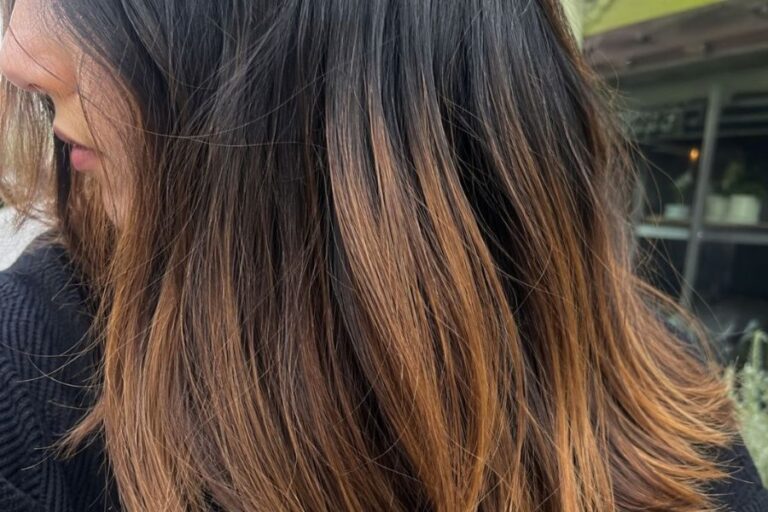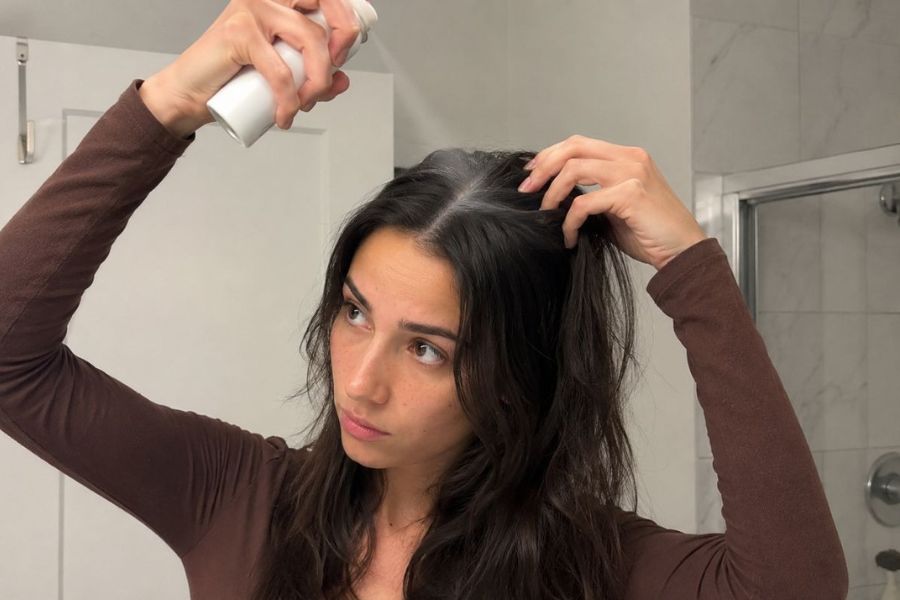
To use dry shampoo correctly, spray it onto dry roots. Let it sit for at least 30 seconds. Then massage or brush it out. This gives the absorbing ingredients time to soak up oil. Your exact spray distance and technique should shift based on your hair type.
Have you ever sprayed dry shampoo and ended up with a chalky mess instead of fresh looking roots? You are not alone. This guide covers the real science behind how dry shampoo works. It also covers exactly how far to hold the can and how long to wait. You will learn how technique changes for fine, thick, and curly hair. You will also learn which formula traits matter most for oily hair, and the mistakes that cause buildup.
✔ Key Takeaways
- Spray dry shampoo onto dry roots only. It works differently on wet hair.
- Let it sit for at least 30 seconds. Then brush it out. This gives it time to absorb oil.
- Spray distance depends on your formula. Most fall between 4 and 10 inches from your scalp.
- Fine, thick, and curly hair each need a slightly different technique.
- Daily use can lead to buildup. Two to three times a week works best for most hair types.
How to Use Dry Shampoo
Spray dry shampoo onto dry roots. Hold the can a few inches away. Let it sit for at least 30 seconds. Then massage or brush it through. This removes any visible powder.
Why So Much Conflicting Advice Exists Online
You have probably seen different brands give different instructions. One says hold the can four inches away. Another says ten inches away. Both are correct for their own product. Formulas differ in strength. They differ in spray pattern too. A lightweight aerosol needs a different distance than a dense powder spray.
What Is Dry Shampoo and How Does It Actually Work?
Dry shampoo is a powder or spray that cleans hair without water. It absorbs oil directly from your scalp and hair shaft.
The Sebum and Absorption Mechanism
Your scalp produces a natural oil called sebum. This oil keeps hair moisturized. Too much of it makes hair look flat and greasy. Dry shampoo works by giving that oil somewhere else to go. The powder particles land on your hair and scalp. They have a large surface area. This gives sebum plenty of places to stick.
Sebum gets pulled into tiny spaces within the powder. This happens through capillary action. A paper towel soaking up a spill works the same basic way. The oil binds to the powder. It turns into a fine, matte dust. You can then brush or shake that dust away. The oil goes with it.
Silica, Starch, and Other Absorbing Ingredients
Most dry shampoo formulas rely on one of three main ingredients. These are starch, silica, or clay. Each one absorbs oil in a slightly different way. A dry shampoo composition patent filing describes formulas made with starch and silica, combined with glycerine, for a smooth, even texture. Rice starch tends to feel lightweight. Kaolin clay tends to absorb more oil. It can feel heavier, though. Silica is often added in small amounts, too. This reduces clumping and helps the powder spread evenly.
Ingredients Worth Knowing About
Talc has come under real regulatory attention in recent years. This is due to a genuine risk of asbestos contamination during mining, not talc itself. Congress required the FDA to establish new standardized testing methods for detecting asbestos in talc based cosmetics. Choosing a formula built on rice starch or cornstarch instead of talc sidesteps this issue entirely.
Fragrance ingredients work a little differently. The FDA’s own guidance on phthalates in cosmetics states the agency does not currently have safety concerns with the specific phthalate still commonly used in fragrances today. Even so, ingredient labels are not required to list every individual fragrance component. Choosing a fragrance free formula is simply a way to know exactly what is touching your scalp, rather than a response to any confirmed safety issue.
How Far Should You Hold Dry Shampoo From Your Hair?
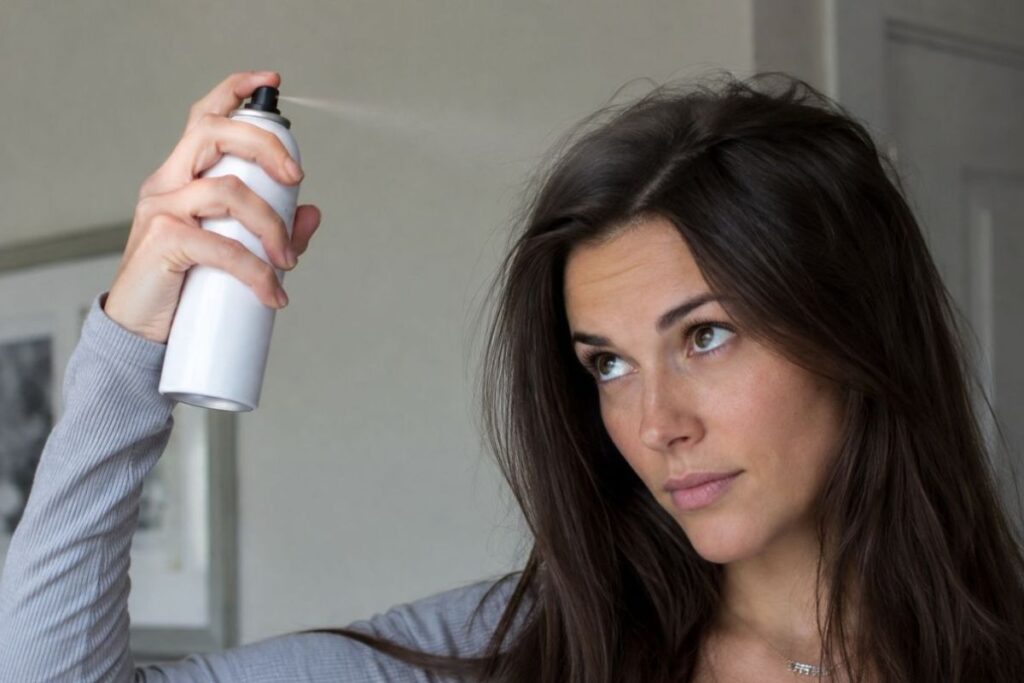
Hold dry shampoo between 4 and 10 inches from your scalp. The exact distance depends on your specific formula.
Why the “4 to 6 Inches” and “6 to 10 Inches” Advice Both Exist
Different brands recommend different distances. Their formulas are not identical. A stronger, more concentrated spray needs more distance. This avoids overloading one spot. A lighter, finer mist can sit closer instead. It will not oversaturate your roots this way. Neither range is universally correct. Both depend entirely on how your specific can sprays.
How to Test the Right Distance for Your Specific Formula
Start at 6 inches as a safe middle ground. Spray a small section. Check how the powder lands. Does it clump or look overly white? Move the can further away next time. Does barely anything reach your roots instead? Move it closer. Two or three tries usually tells you the right distance for your exact product.
How to Use Dry Shampoo Step by Step
Follow these steps every time. This gives you the most even, natural result.
Step by Step Application
Step 1: Section your hair. This lets the spray reach your roots directly.
Step 2: Shake the can well. This keeps the powder mixed evenly.
Step 3: Hold the can at your tested distance. Spray directly onto your roots. Move it in a sweeping motion. Do not hold it in one spot.
Step 4: Let the product sit for at least 30 seconds. Give it a full minute if your roots feel especially oily.
Step 5: Massage the product into your scalp. Use your fingertips. Then brush through to remove any leftover powder.
The Blow Dry Cool Setting Trick for a Faster Finish
Do you still see powder after brushing? Switch your blow dryer to its cool setting. Aim it at your roots. Lift sections with a brush as you go. This releases leftover residue fast. It doesn’t cause any heat damage, since your hair is already clean and dry.
Dry Shampoo Technique by Hair Type
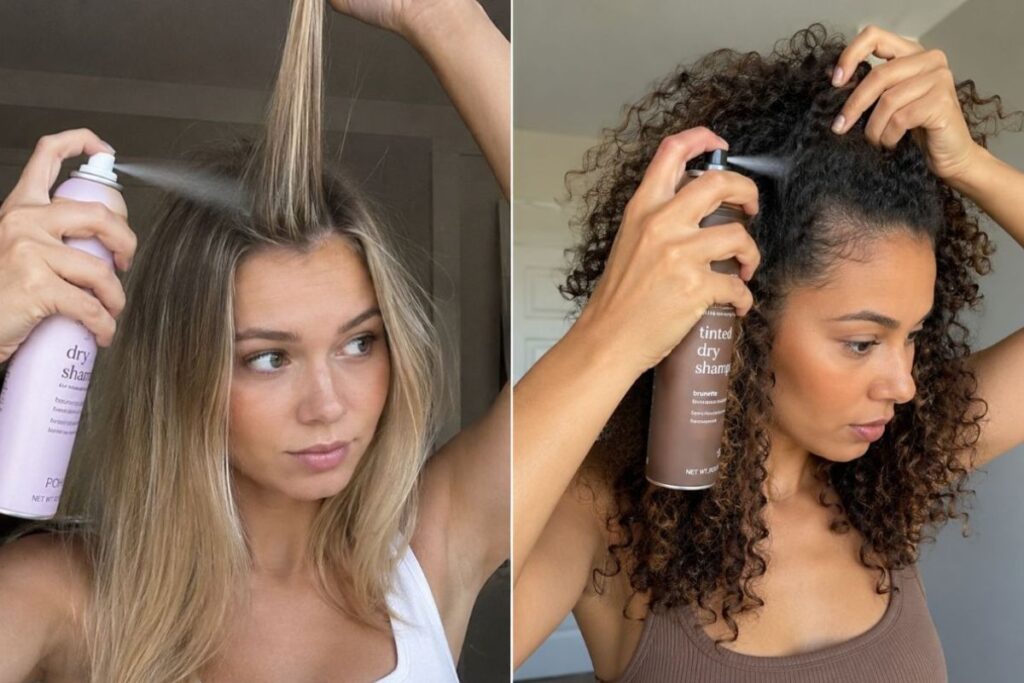
Your hair type changes exactly how you should apply dry shampoo. This matters for getting the best result.
Fine and Thin Hair: Technique for Volume
Fine hair benefits most from dry shampoo’s volumizing effect. Lift small sections upright before spraying. Do not apply it flat against your scalp. This adds lift right at the root. It mimics natural body. Use a light hand here. Too much product can flatten fine strands instead of lifting them.
Thick and Coarse Hair: Technique for Full Coverage
Thick hair needs more thorough sectioning. This makes sure product actually reaches the scalp. Divide your hair into smaller sections than you would for fine hair. Spray each section directly at the root. Move to the next section after that. Thick hair can also handle a slightly heavier application. It will not look overly powdery.
Curly and Coily Hair: Avoiding Visible White Cast
Curly and coily hair often shows visible white residue more easily than straight hair does. Choose a tinted dry shampoo formula instead. Match it to your natural hair color if this is a recurring problem. Apply in smaller amounts. Focus only on your roots. Your curl pattern naturally hides oil at the mid lengths and ends already.
Powder vs Aerosol vs Mousse: Which Format Should You Use?
The right dry shampoo format depends on your hair color, texture, and how much residue you can tolerate.
How Each Format Behaves on Different Hair Colors and Textures
Powder formulas tend to show up more visibly on dark hair. The white particles contrast sharply against dark strands. Aerosol sprays disperse more finely instead. They often blend in better, especially on fine or straight hair. Mousse formulas distribute evenly through thicker or curlier hair. They coat strands more consistently than a direct spray can.
| Format | Best Hair Color | Best Hair Texture | Residue Risk | Travel Friendly |
| Powder | Light to medium | Fine, straight | Higher on dark hair | Yes, no aerosol restrictions |
| Aerosol Spray | Any, tinted options exist | Fine, straight, wavy | Lower, finer mist | Limited by airline liquid rules |
| Mousse | Any | Thick, curly, coily | Lowest, even distribution | Yes, but bulkier |
Which Format Is Best for Travel or On the Go Use
Powder formulas travel well. They avoid the aerosol restrictions that some airlines impose on liquids and pressurized cans. A travel size mousse also works well. It creates minimal mess in a bag. Aerosol sprays remain the most convenient for quick daily use at home. They just need a bit more care when packing for a flight.
What to Look for in a Dry Shampoo for Oily Hair
Oily hair needs a formula designed for greater oil absorption. Not just any dry shampoo on the shelf will do.
Formula Traits That Actually Matter for Oily Scalps
Look for a formula listing silica or kaolin clay near the top of the ingredient list. These absorb oil more aggressively than rice starch alone. A higher concentration of absorbing powder matters more for oily scalps than added shine boosting extras. Fine mist sprays often work better than thick powders here. They distribute evenly across a larger oily area. They will not pool in one spot.
Why Tinted Formulas Help Oily Dark Hair Specifically
Oily hair often needs more frequent application than other hair types. This makes visible white residue a bigger problem over time. A tinted formula matched to your natural color reduces that visible buildup. This matters even between full washes. Check the label for your closest shade match before buying.
Signs a Formula Is Not Strong Enough for Your Oil Level
Does your hair look oily again within just a few hours of applying dry shampoo? Your current formula is likely too weak for your actual oil production. Look for a version specifically labeled for oily or very oily hair. These usually contain a higher percentage of absorbing powder than standard formulas.
How Often Should You Use Dry Shampoo?
Use dry shampoo two to three times per week for most hair types. Save daily washing for the days in between.
Why Daily Use Leads to Buildup
Dry shampoo particles do not rinse away the way regular shampoo does. Every application without a proper wash adds another layer. Over time, this creates a film on your scalp and along your hair shaft. That buildup can leave hair feeling coated and dull. It can feel unexpectedly heavier too.
A Realistic Weekly Rhythm
Most hair types do well with dry shampoo on two or three non-wash days each week. Very oily scalps might need it slightly more often. Fine or low volume hair often does better with less frequent use. Even light buildup can flatten already thin strands.
Common Dry Shampoo Mistakes to Avoid
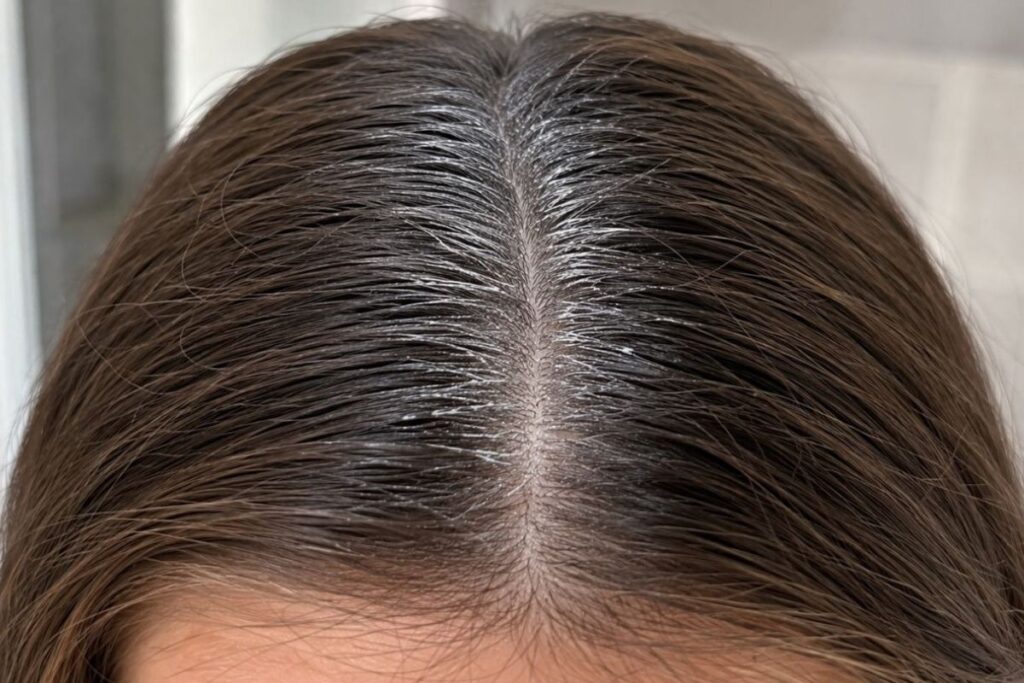
A few small habits account for most disappointing dry shampoo results.
Spraying Too Close or on Wet Hair
Spraying too close to your scalp concentrates too much product in one small area. This creates visible clumping instead of an even finish. Dry shampoo also needs to be applied to completely dry hair. Applying it to damp or wet strands stops the absorbing ingredients from working properly.
Skipping the Absorb Time
Brushing out dry shampoo immediately after spraying skips the step that actually does the work. The powder needs at least 30 seconds of contact time. This lets it pull oil away from your scalp. Rushing this step usually means the product looks like it did nothing.
Using It as a Full Wash Replacement
Dry shampoo is a supplement to regular washing. It is not a substitute for it. Relying on it every single day allows buildup to accumulate steadily. This happens especially without water and regular shampoo in between. Regular washing remains necessary. It thoroughly cleanses your scalp and hair of any residue.
Frequently Asked Questions
What is the correct way to use dry shampoo?
Spray dry shampoo onto dry roots. Hold the can a few inches away. Let it sit for at least 30 seconds to absorb oil. Then massage or brush it through to remove any visible powder.
Can I use dry shampoo every day?
Daily use is not recommended for most hair types. Dry shampoo particles do not rinse away as regular shampoo does. Repeated daily use without proper washing can lead to buildup and dull looking hair over time.
How far should you hold dry shampoo from your hair?
Most formulas work best held between 4 and 10 inches from your scalp. The exact distance depends on your specific product’s strength and spray pattern. Start at 6 inches and adjust based on how the powder lands.
I have curly, textured hair and dry shampoo always leaves a visible white cast that never fully blends in. Is there a better way to apply it for my hair type?
Try a tinted dry shampoo formula that matches your natural hair color. Apply smaller amounts and focus only at the roots, where oil actually builds up. Your curl pattern naturally hides the length and ends. You rarely need product beyond the scalp itself.
Conclusion
There are a few simple habits that you can follow to use dry shampoo properly. Spray it onto completely dry roots. Allow it to absorb oil for some time. Then evenly brush it on.
Remember three things. First, spray distance will vary depending on the formula you use. Test it; don’t follow one universal number. Second, there are a few methods to follow for fine, thick, and curly hair to achieve the best look. Third, using it 2 3 times per week prevents buildup from being a problem.
Learn more about hair care tips from HairStyleFreek and create a hair care regimen for your hair.