
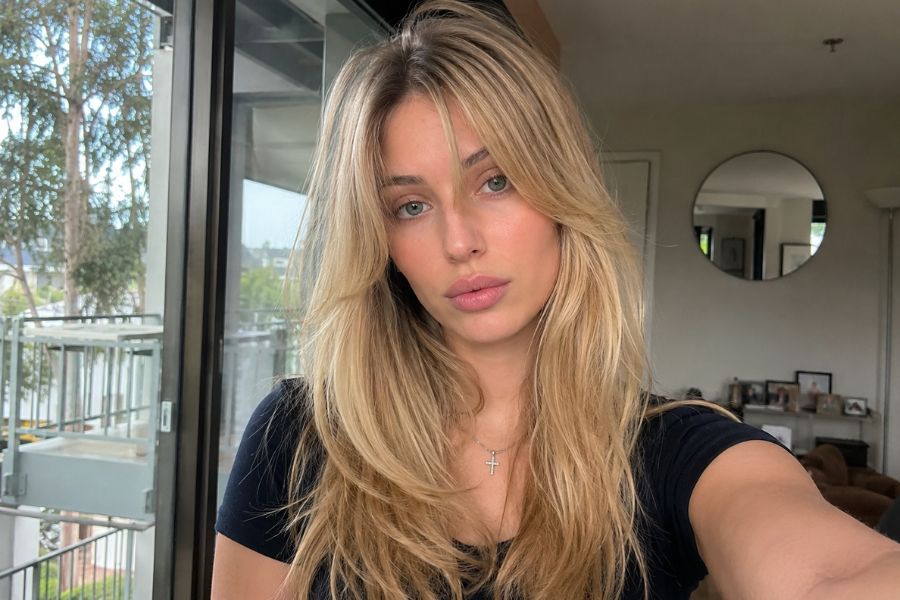
Your forehead, cheekbones, and jaw all come out close to the same width when you measure them but your face is noticeably longer than it is wide. That’s an oblong face shape, and it’s the reason “middle parts are bad for you” and “middle parts are fine” both show up as advice for the exact same face shape.
Neither claim is wrong. They’re just incomplete. A middle part on flat, straight hair creates two long panels that drag the eye downward but the same part on hair with real volume or waves does the opposite. The real variable was never the part. It’s what the hair is doing on either side of it.
That logic extends to almost every hairstyle decision here: add width at the sides, and most styles work. Skip that and stack height at the crown instead, and even a flattering-sounding cut can stretch your face further. This guide walks through how to actually confirm you have an oblong face, why width-adding styles work (there’s genuine visual-perception research behind it), a full catalog of styles by length, how color placement adds width without cutting anything, and how to match your current length and texture to the fastest fix.
✔ Key Takeaways
- The best oblong face shape hairstyles add width at the sides. Layers, waves, and bangs all help.
- An oblong face is longer than it is wide. The forehead, cheekbones, and jaw stay close in width.
- A middle part is not always the enemy. It depends on your hair’s volume, not the part itself.
- Height at the crown makes an oblong face look longer, not shorter.
- Curtain bangs and side-swept bangs are two of the most effective ways to add width.
Oblong Face Shape Hairstyles
The width-at-the-sides, no-height-at-the-crown combination works more reliably across named styles than any single cut does — nearly every flattering oblong-face haircut, regardless of length or texture, follows that same underlying logic
Why Oblong and Oval Faces Get Confused So Often
Both face shapes share soft, gently curved features. Neither has sharp angles. The real difference comes down to proportion. An oval face keeps its length and width fairly close. An oblong face stretches noticeably longer than it is wide. This small distinction changes which styles actually flatter you.
How to Know You Have an Oblong Face Shape?
An oblong face shape is defined by one thing. The forehead, cheekbones, and jawline stay roughly equal in width. The face length noticeably exceeds the width, too. Many readers assume this shape without ever actually confirming it. If measuring feels tricky, our face shape quiz tool can confirm it for you in under a minute.
Comparing Forehead, Cheekbone, and Jaw Width to Face Length
Measure your face from your hairline to your chin. Measure it again across your cheekbones at their widest point. An oblong face shows a real gap between these two numbers. The face reads clearly longer than it is wide. Your forehead, cheekbone, and jaw width will land close to each other throughout.
The Pulled Back Hair Mirror Test
Pull all your hair back away from your face. Stand in front of a mirror. Look straight ahead. Does your face look about the same width at the top, middle, and bottom? Does it still look noticeably long overall? That pattern points to an oblong shape. Some people call this a rectangular face shape instead. Both terms describe the same basic structure.
Oblong Versus Oval: The Real Difference
An oval face stays balanced and proportionate in every direction. An oblong face is simply longer and narrower by comparison. Think of it as the difference between a standard egg and a stretched one. Both shapes are attractive. They just respond better to different haircut choices.
Why Width Adding Styles Work for an Oblong Face
There’s a reason width-adding styles keep showing up across oblong-face recommendations: they counter the one feature this face shape already has in excess length. It isn’t a styling trend. It’s basic visual proportion, and the research backs it up.
How Horizontal Volume Balances Vertical Length
An oblong face reads as long because its length clearly outpaces its width and adding volume at the sides pulls the eye horizontally instead, which is where the visual perception research gets genuinely interesting. Eye-tracking research by Chouinard, Peel, and Landry (2017) found that a vertical line is consistently perceived as longer than a horizontal line of identical length. Separate psychophysical research confirms the same asymmetry from the other direction: horizontal lines are perceived as roughly 6 percent shorter than vertical lines of the same length. Put those two findings together, and the takeaway for an oblong face is straightforward horizontal emphasis at the sides genuinely softens how long the face reads, not just by convention, but by how human perception actually works.
Why Height at the Crown Makes an Oblong Face Look Longer
Height above the head adds to a problem an oblong face already has. It already has too much vertical line. A tall pompadour makes this worse, not better. So does a high bun stacked straight on top. Lower, wider styles interrupt that vertical line instead. They do not extend it.
Does a Middle Part Work for an Oblong Face? Resolving the Contradiction
A middle part can work for an oblong face. It only works under one specific condition, though. It depends entirely on whether your hair has real volume and movement. Flat hair tells a different story.
When a Middle Part Backfires: Flat, Straight Hair
Sleek, straight hair with a middle part creates two long, flat panels. These panels sit on either side of your face. This produces what stylists sometimes call a tunnel effect. The eye gets pulled straight down along both sides. This combination emphasizes length more than almost any other styling choice.
When a Middle Part Works Fine: Volume and Movement at the Sides
A middle part paired with waves tells a completely different story. Soft curls work the same way. The volume and movement at the sides do real work here. They add the same width a side part would provide. The placement of the part itself matters far less than what happens to the hair on either side of it.
Oblong Face Hairstyles to Avoid, and How to Fix Them
A few specific hairstyle choices consistently work against an oblong face. Each one has a real, workable fix.
Sleek, Flat, Center Parted Long Hair
This combination creates the strongest length-emphasizing effect on this list. The fix does not require cutting anything off, though. Add layers or waves to the same length instead. The flat, tunnel like effect disappears once you do this.
Height Heavy Styles Like Tall Pompadours and High Buns
Any style that stacks volume straight up makes an oblong face look longer. This happens instead of adding volume outward. Redirect that same volume sideways instead. A pompadour styled with sideways lift avoids this problem entirely. Skip the height and reach for width instead.
Super Short Crops With No Side Volume
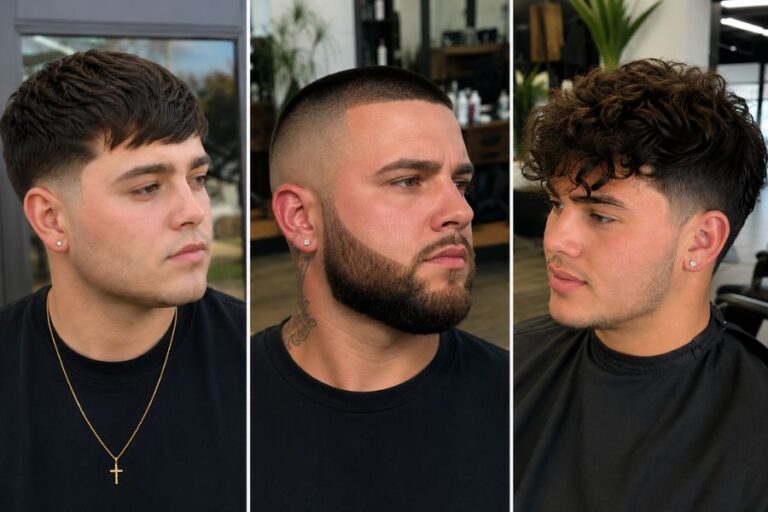
A very short cut with nothing built into the sides can highlight face length. This happens instead of balancing it. Keep some texture through the sides, even on a short cut. This small addition maintains real balance.
| Style | Why It Backfires | The Fix | Best Paired With |
| Sleek Center-Parted Long Hair | Creates a flat, length-emphasizing tunnel effect | Add layers or waves at the same length | Curtain bangs |
| Tall Pompadour or High Bun | Adds height where the face needs width | Redirect volume sideways instead of up | A lower, wider silhouette |
| Super-Short Crop | Removes width along the sides | Add texture or volume through the sides | A side-swept top section |
| Blunt Bob Below the Jaw | Extends length past its most flattering point | Cut at or slightly above jaw length | Side-swept bangs |
The Complete Oblong Face Hairstyle Catalog by Length
Every real oblong face style falls into one of three length categories. There is also a dedicated bangs category. Here are 22 styles worth considering.
Short Styles
These styles work best when volume gets directed sideways. Avoid lifting it straight up.
Classic Pixie
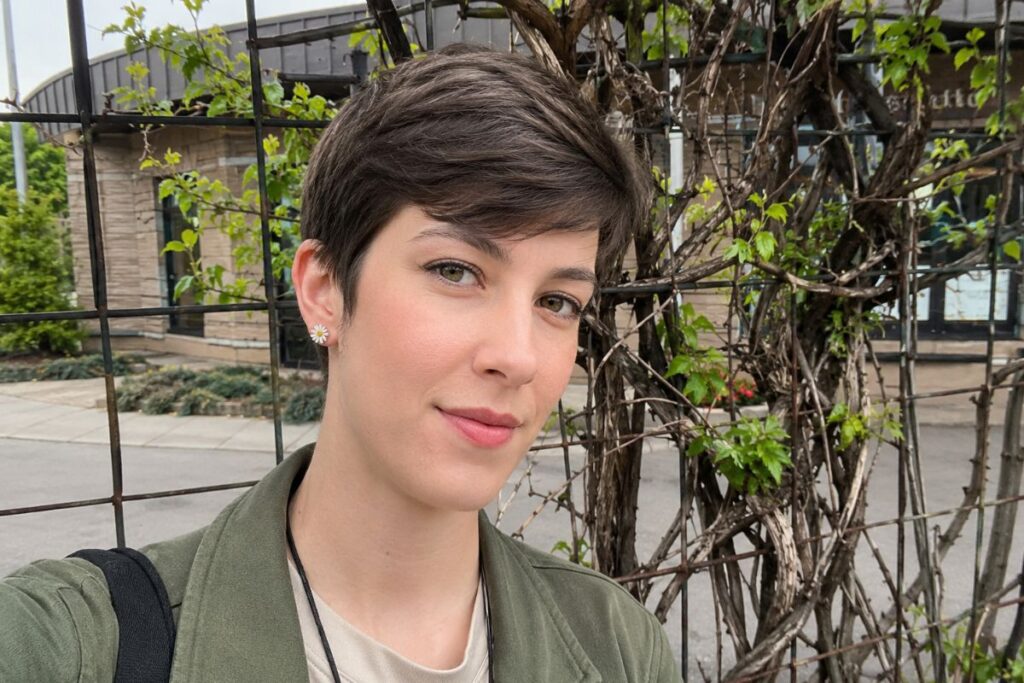
A classic pixie works well on an oblong face. This happens when volume gets directed sideways rather than straight up. Style the top hair to sweep to one side rather than lift it upward. This single adjustment keeps the width horizontal instead of vertical.
Pixie with Sideways Crown Volume
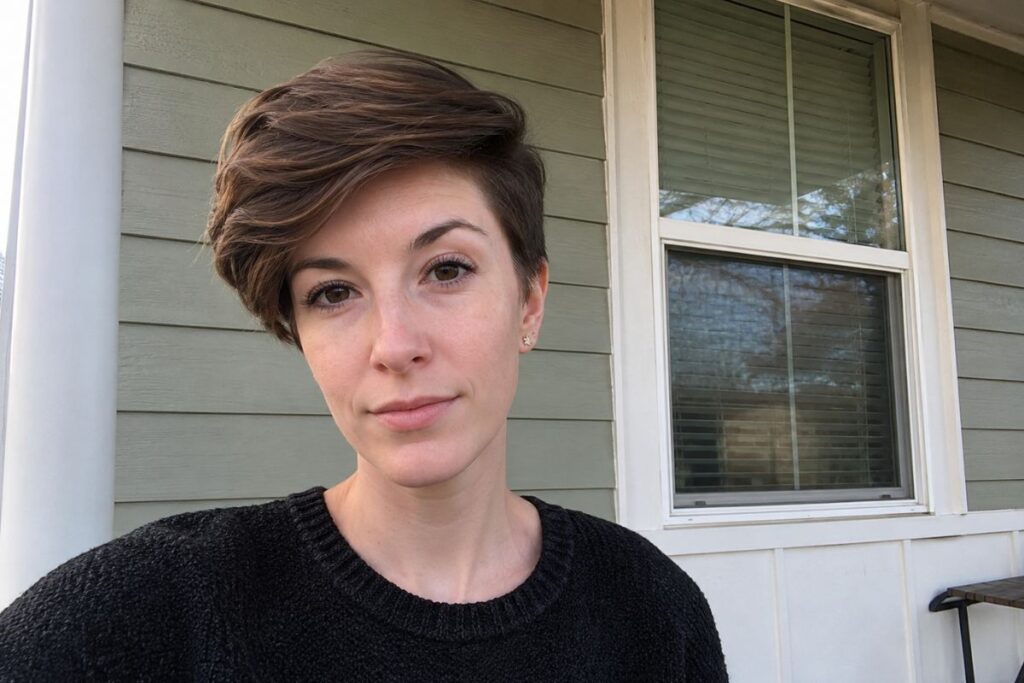
This version takes the same idea further. The top hair sweeps fully to one side for a wider silhouette. A small amount of pomade or wax helps push the top hair to the side. This works especially well for anyone who wants a low maintenance cut with real visual impact.
Layered Bob
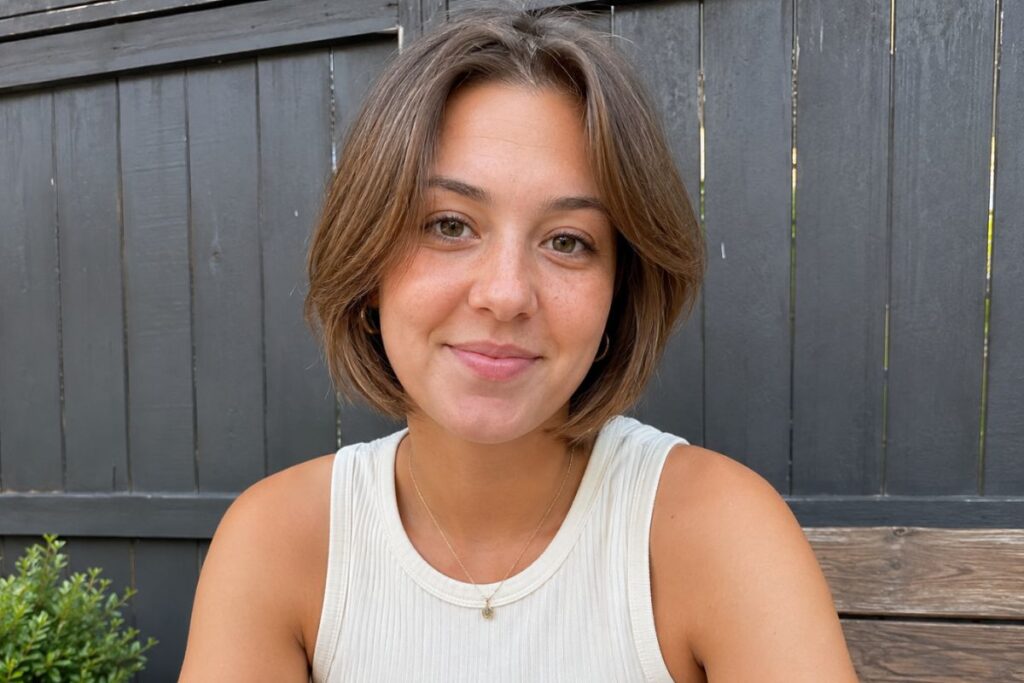
A layered bob hits right at the jaw. This adds width at one of the face’s narrowest points. The layers themselves build volume at the sides rather than pulling the shape straight down. This is one of the most consistently recommended cuts for an oblong face, regardless of hair texture.
A-Line Bob
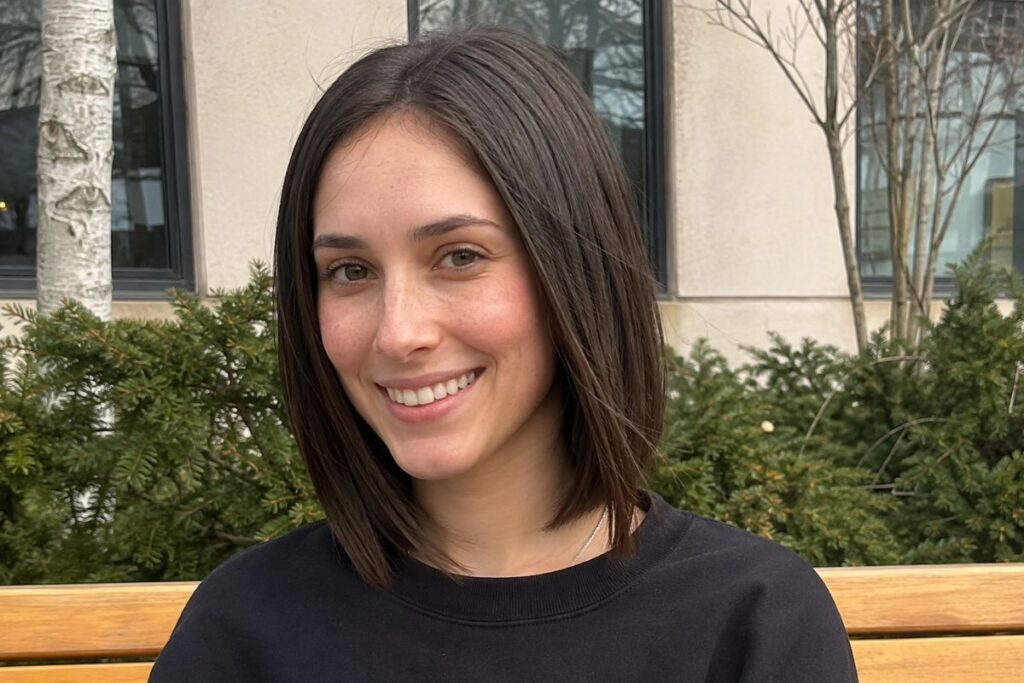
An A line bob is angled slightly longer in front than in back. This style works especially well paired with square glasses. The angled shape adds a strong horizontal line right where an oblong face needs it most.
Curly Bob
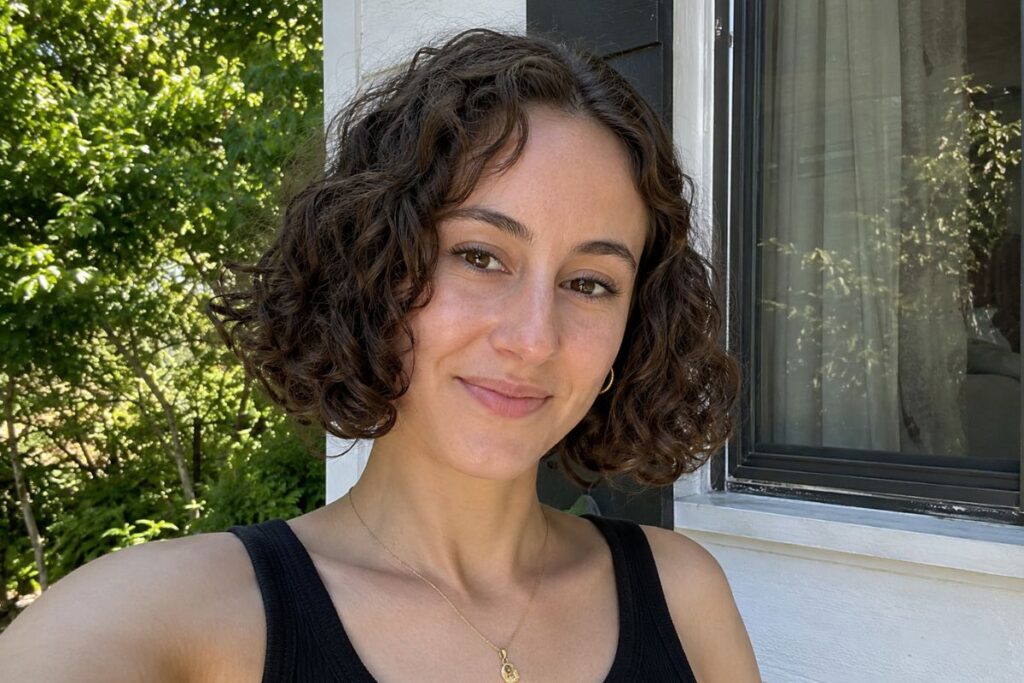
A curly bob softens the straight lines of an oblong face naturally. Curl pattern alone adds width without any extra styling effort. This makes it one of the lowest maintenance width-adding options on this list.
Medium Styles
Medium length styles offer the most flexibility. They build width through layering and texture.
Shag
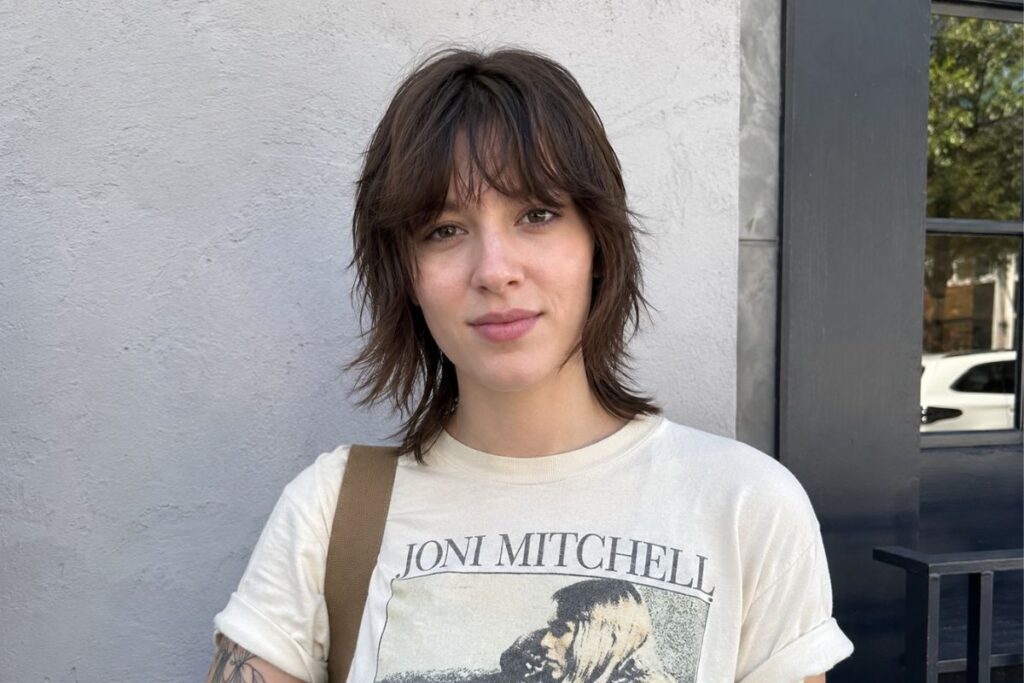
A shag remains one of the strongest choices for an oblong face. Its choppy layers concentrate bulk at the cheekbone and jaw level. That is exactly where width is needed most. This cut works well across straight, wavy, and curly textures alike.
Blunt Bob
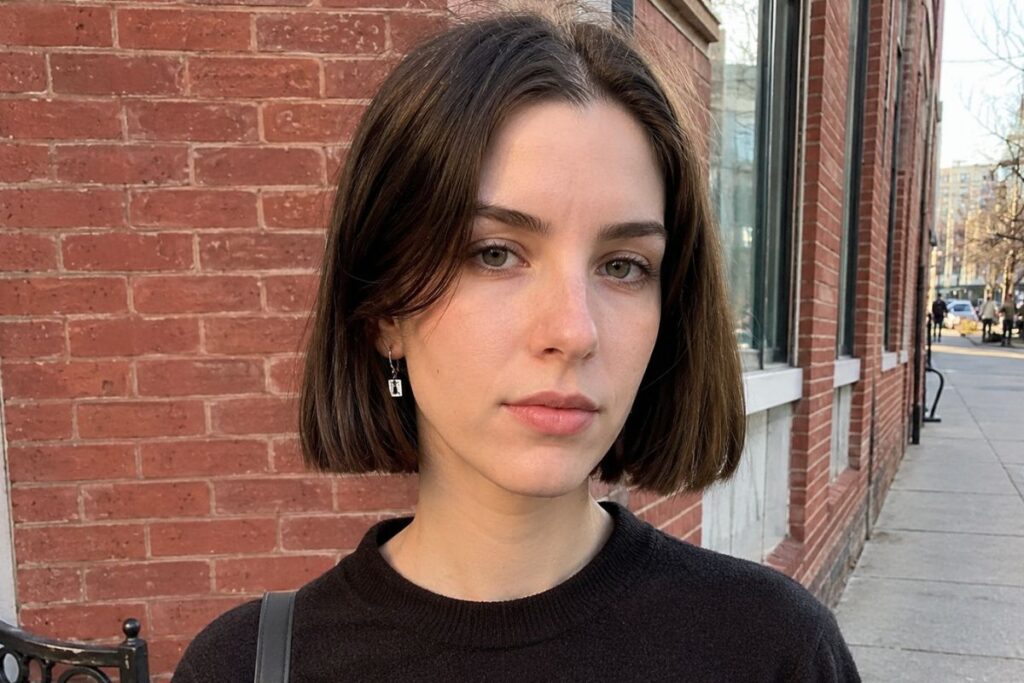
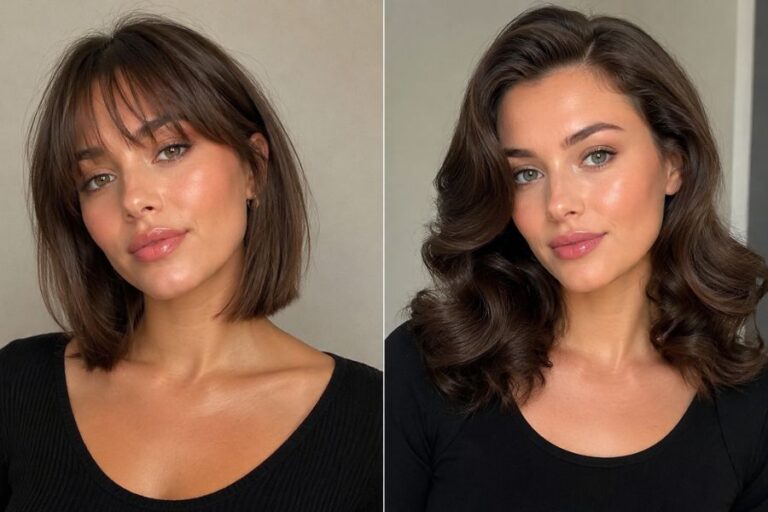
A blunt bob creates a strong horizontal line. Cut it at or just above jaw length for this effect. This line reads as added width. This style only works within that specific length range, though. If the cut falls below the jaw, it can start to lengthen the face instead.
Bob with Bottleneck Bangs
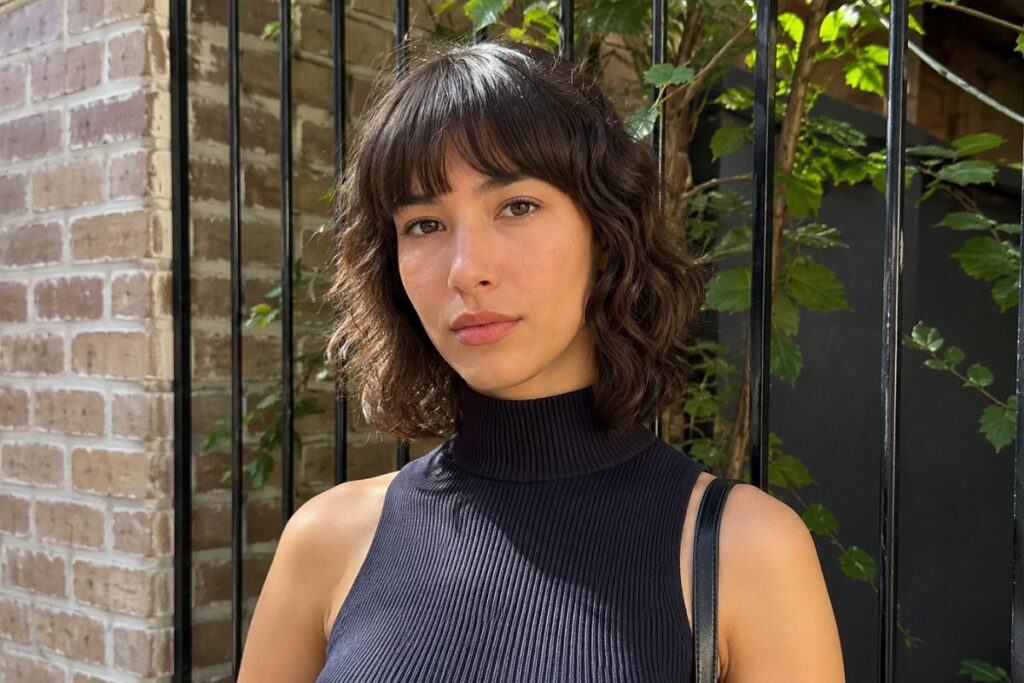
This style pairs textured waves with a face hugging shape. It creates a similar width adding effect. The bottleneck’s taper is gradual rather than cutting straight across. This creates a softer transition than a blunt fringe would.
Shoulder-Length Waves
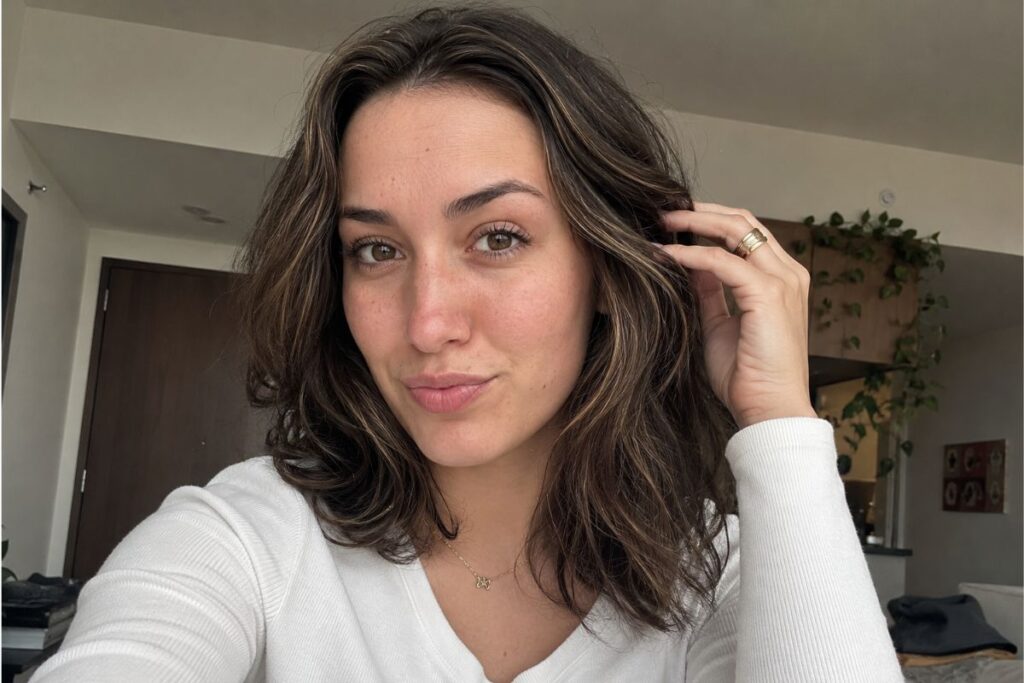
Shoulder length waves push hair away from the face at the sides. This is one of the fastest ways to add width without cutting any length off. A light, volumizing mousse helps fine hair hold its wave shape throughout the day. Shoulder length waves push hair away from the face at the sides. This is one of the fastest ways to add width without cutting any length off. A light, volumizing mousse helps fine hair hold its wave shape throughout the day. If you’re working with shoulder-length hair already, our full styling guide covers more ways to add texture and hold.
Midi Cut with Face-Framing Layers
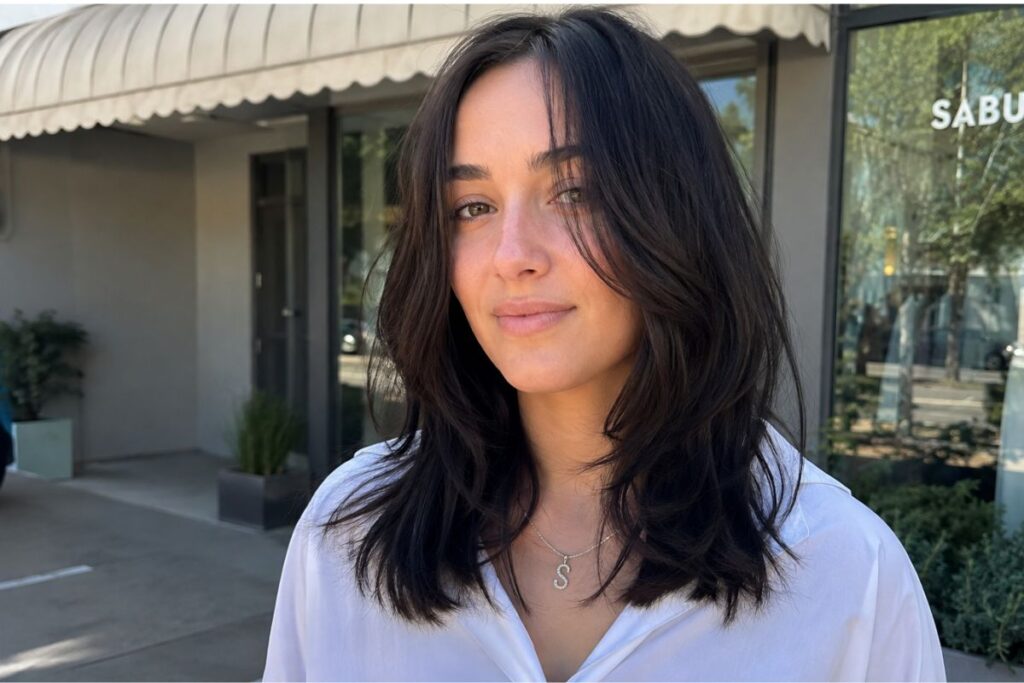
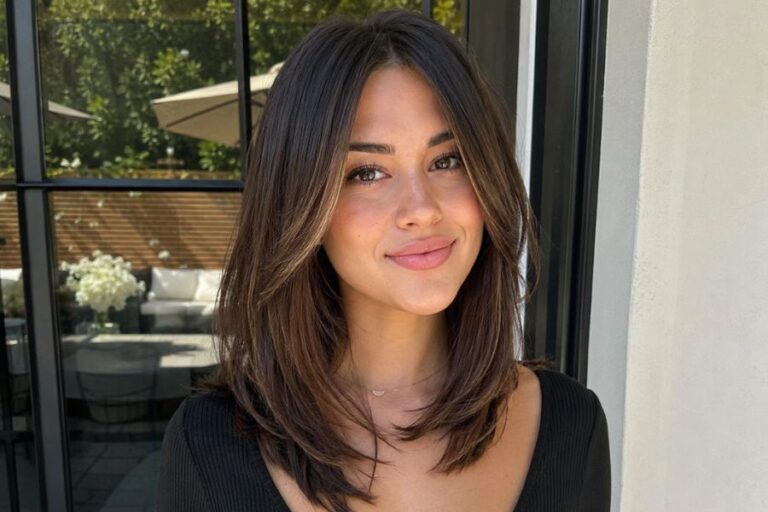
A midi cut with heavy face framing layers removes weight from thick hair. It still counterbalances the length. The layers create movement exactly where an oblong face benefits most. This cut suits thicker hair textures especially well.
Asymmetrical Angled Lob
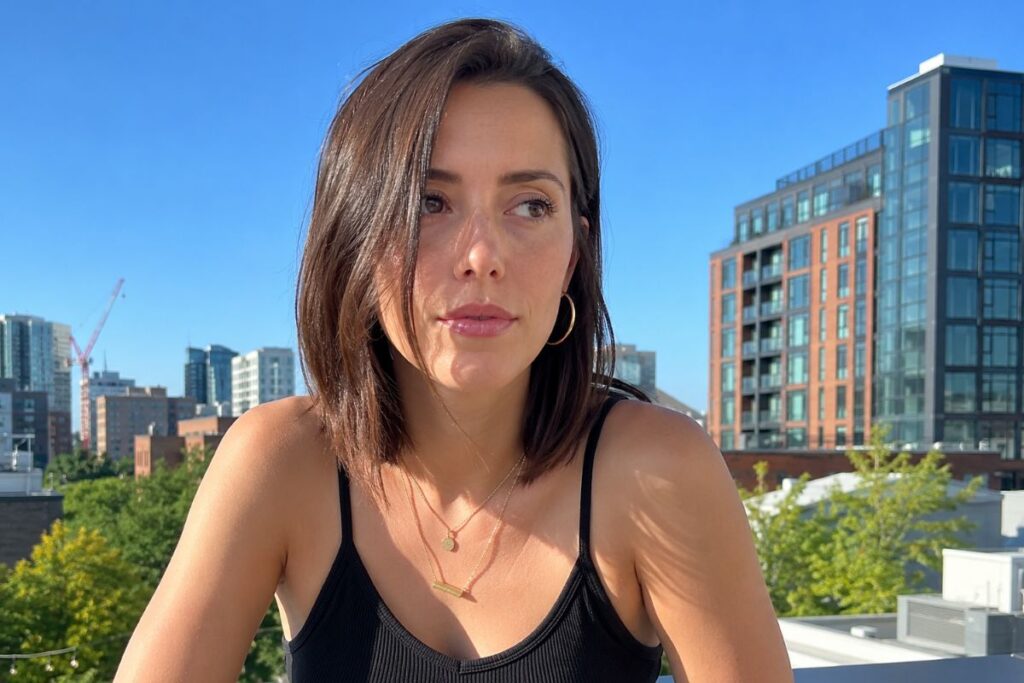
An asymmetrical, angled lob suits nearly any face shape. It uses layering and graduation technique to do this. The uneven length adds a natural break in symmetry. This versatility makes it a strong option for readers unsure which style to commit to.
Long Butterfly Cut
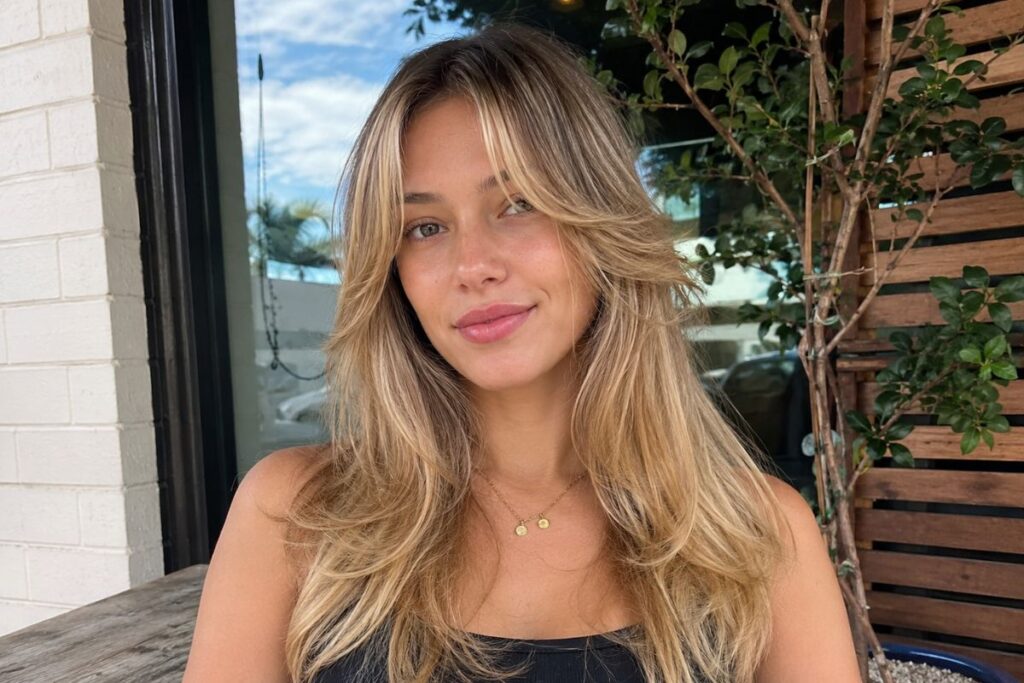
A long butterfly cut features soft layered bangs. A graduated shape runs throughout the rest of the cut. This brings a nostalgic, face softening effect to the overall look. A few wispy face framing pieces can personalize the style further.
Long Styles
Long hair can absolutely work for an oblong face. The length just needs to pair with real width adding technique.
Long Waves with Curtain Bangs
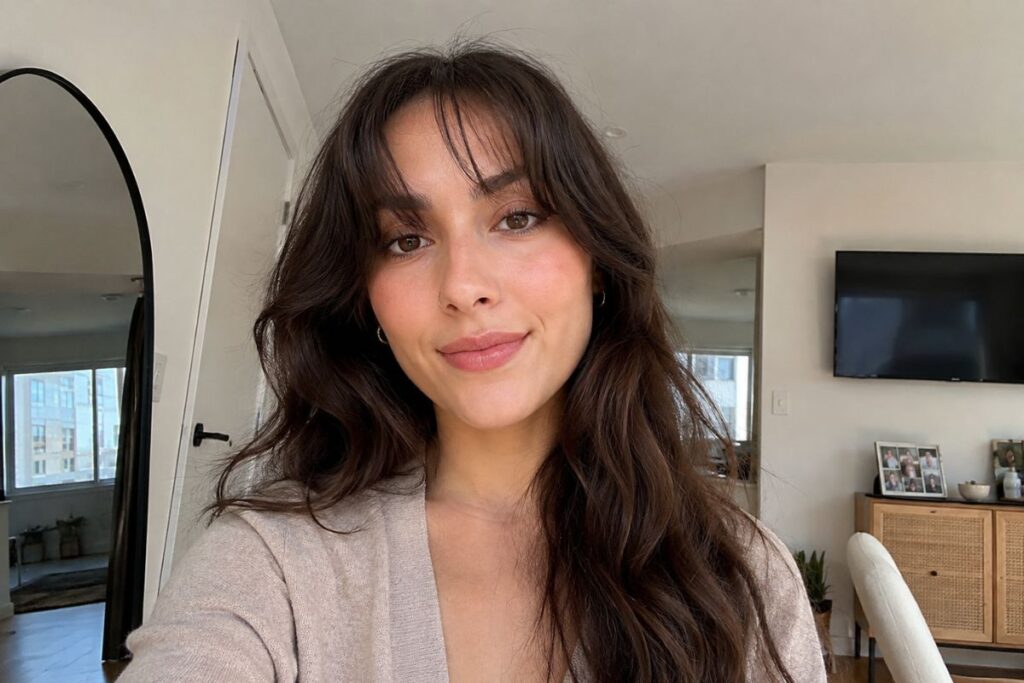
This combination is one of the most consistently recommended pairings across stylists. The fringe visually broadens the forehead. The waves add movement throughout the length. Together, they counter length from two directions at once.
Long Shag with Bangs and Layers
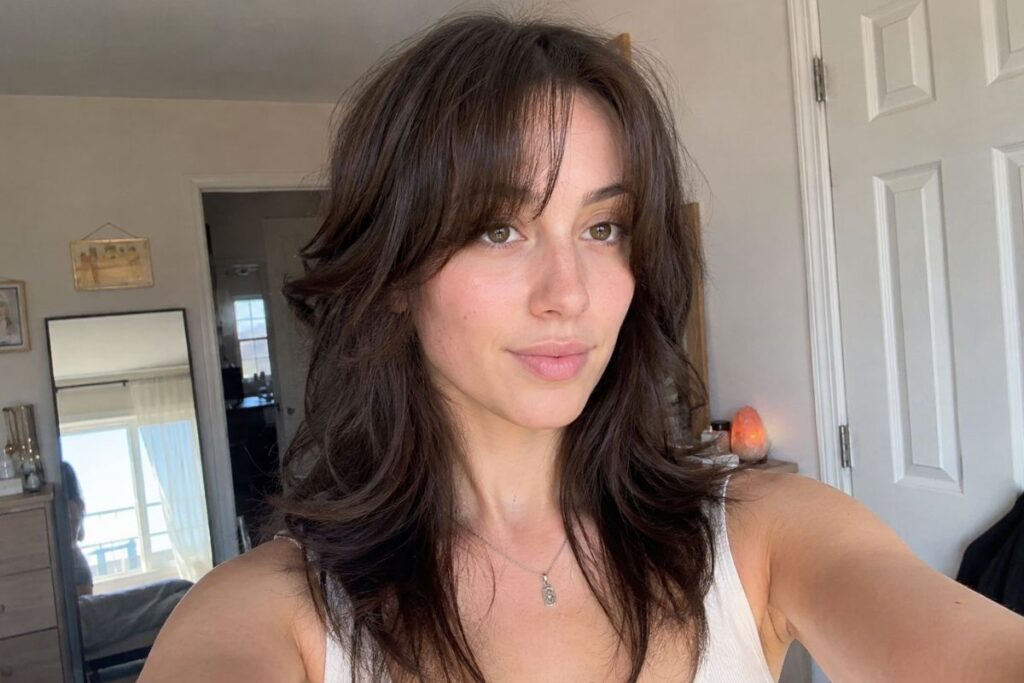
This style takes the curtain bangs and waves combination further. Strategically placed layering reduces length while adding symmetry. Flip the ends in and out while styling for a more dimensional finish. This creates a swoopy, textured effect.
Side-Swept Blowout Style
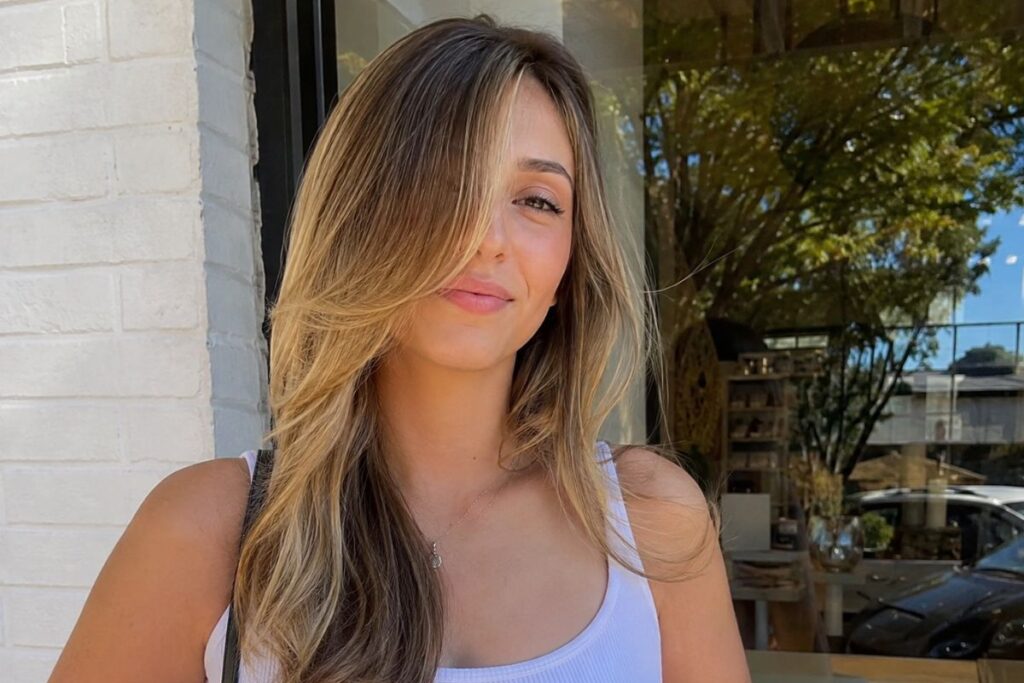
Front pieces get swooped to cover one side of the face here. This creates a dramatic asymmetrical effect. Soft layering throughout supports the blowout shape. This style works well for anyone wanting a bold change without cutting length.
Curly Side-Swept Style
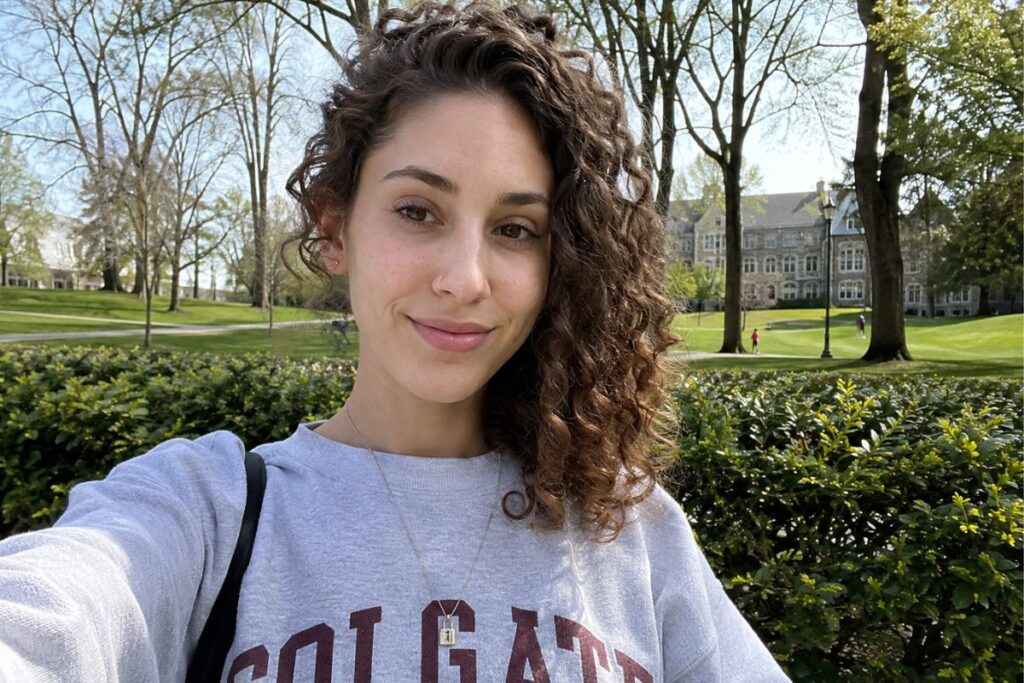
This style achieves the same asymmetrical effect on naturally textured hair. It needs little more than curl cream and a diffuser to maintain shape. Natural curl pattern does much of the width adding work on its own.
Low Ponytail with Side Tendrils

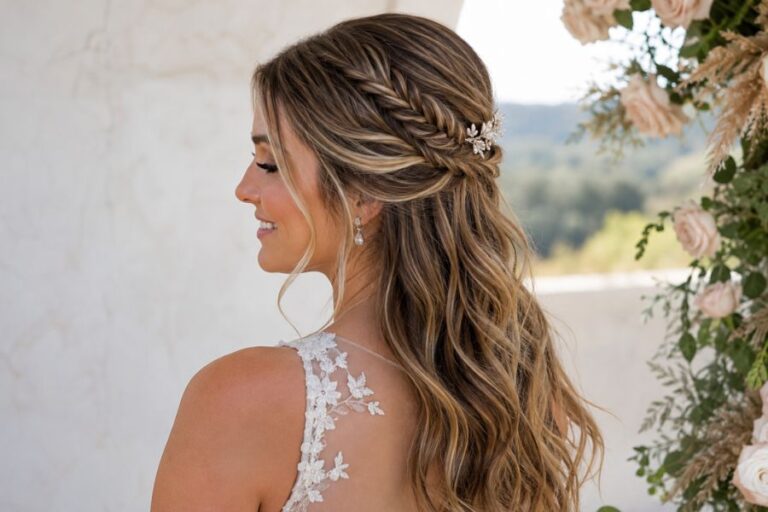
A low ponytail with soft waves adds width through face-framing pieces. Loose side tendrils do this even while the rest of the hair is pulled back. This style works well for formal occasions. Fully loose hair is not always practical then.
Slicked-Back Bun
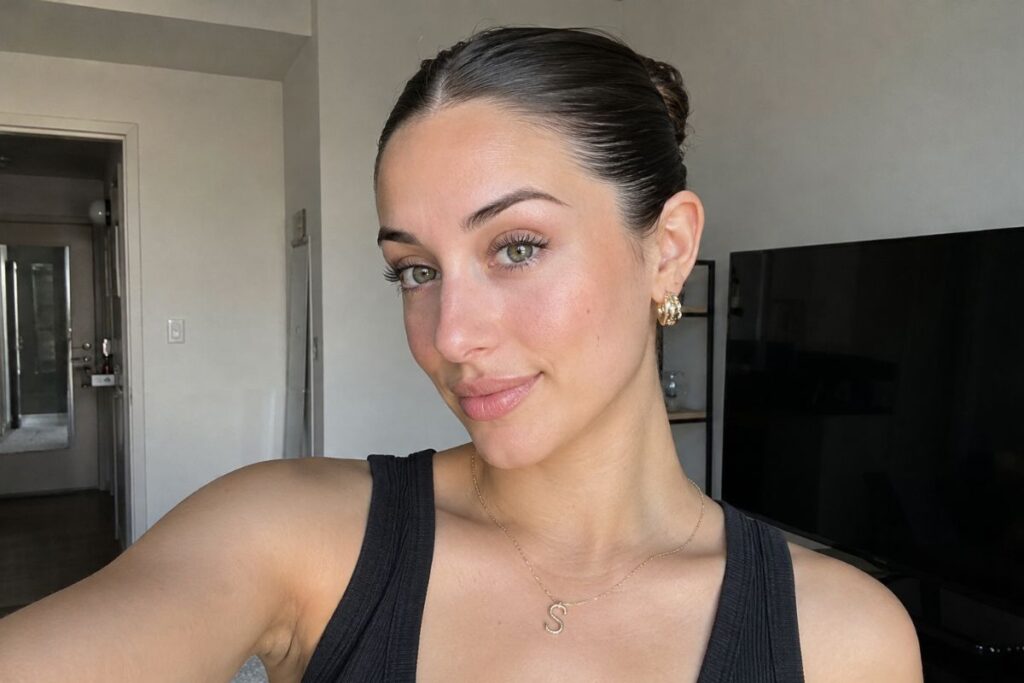
A slicked back bun brings sleek texture and volume together. This creates a more polished, formal option. The style is still built around width rather than height. This makes it a safer choice than a high, stacked bun for an oblong face.
Bangs
Bangs are among the most effective tools for an oblong face. They interrupt forehead length directly.
Curtain Bangs
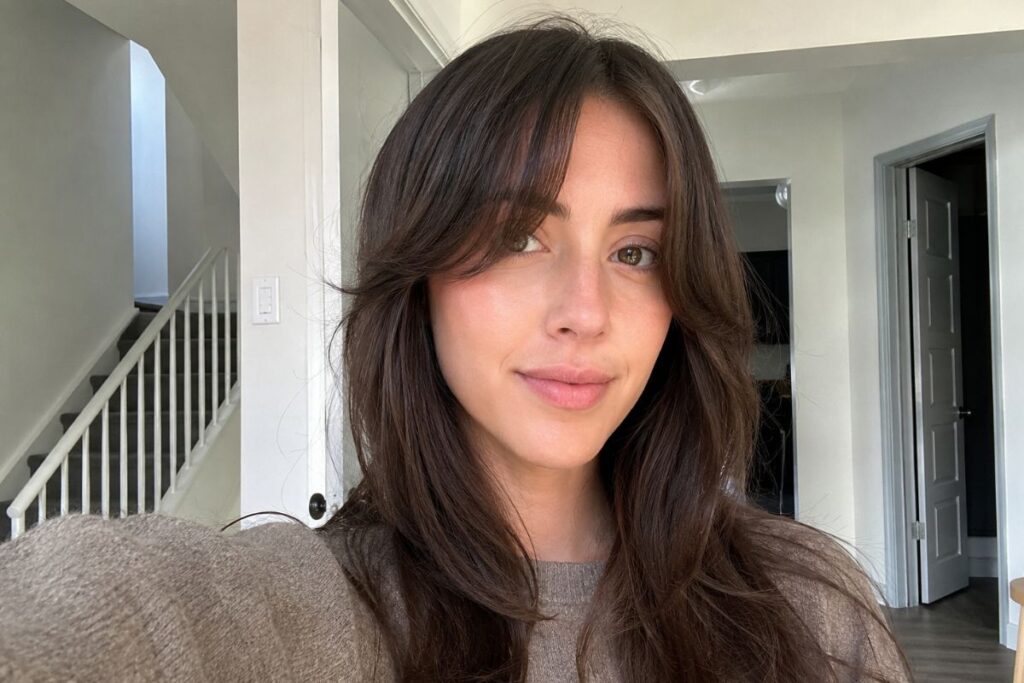
Curtain bangs part in the center and sweep to both sides. They broaden the forehead and frame the cheekbones at the same time. This makes them widely considered the single most effective bang style for an oblong face. Want to try these at home first? Here’s our full guide to DIY curtain bangs
Side-Swept Bangs
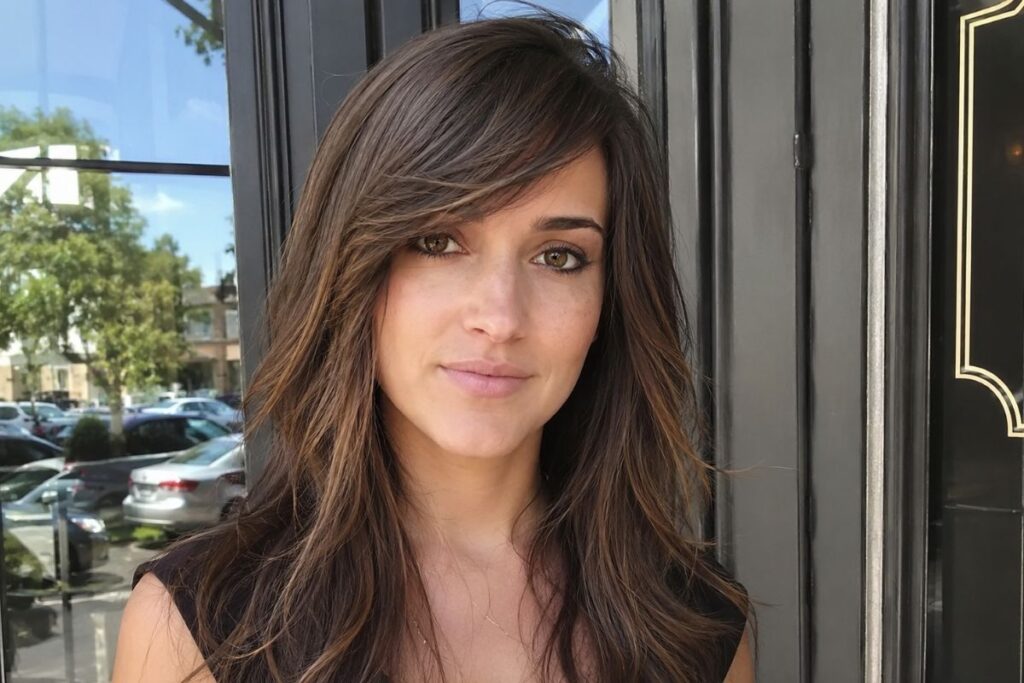
Side swept bangs create a diagonal line across the forehead. This differs from a straight one. This style works well with straight or wavy hair specifically. The diagonal angle adds width in a softer, more gradual way than a blunt fringe.
Straight-Across Bangs
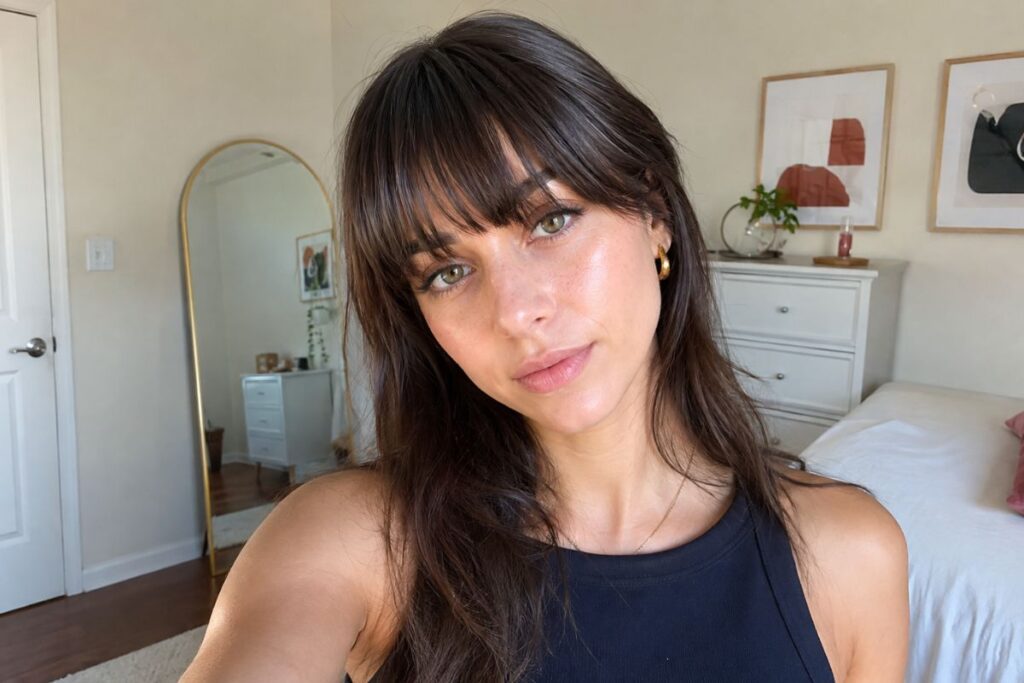
Straight across bangs work best when paired with a side part. Avoid wearing them alone. This pairing balances width more effectively than a straight bang paired with a middle part. Skipping the side part here can significantly reduce the width-adding benefit.
Wispy Bangs
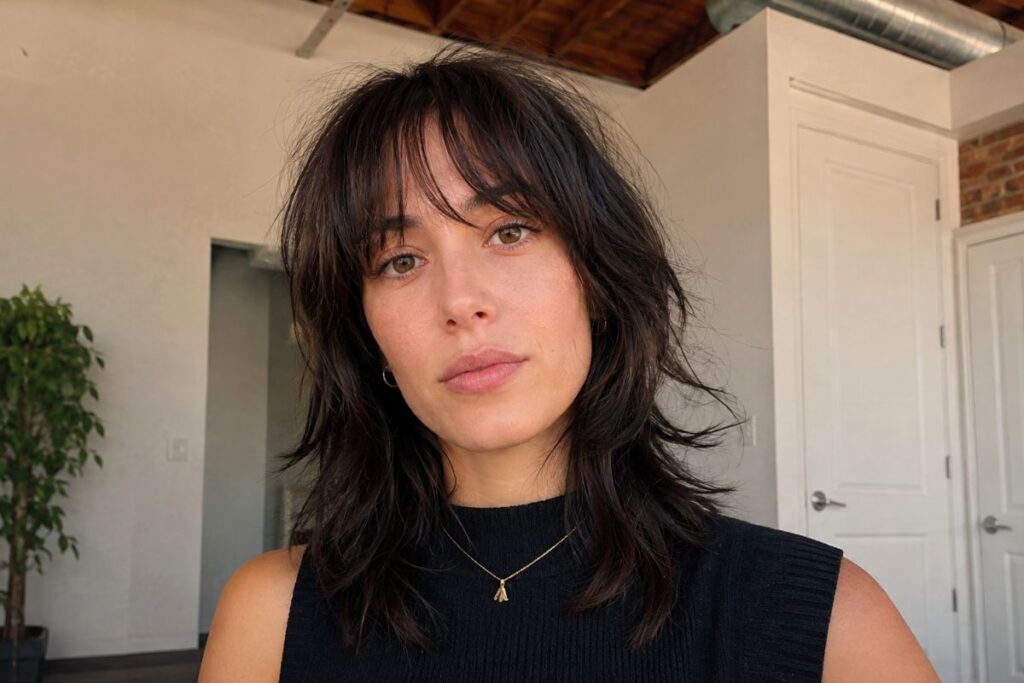
Wispy bangs suit a shaggy, textured cut particularly well. They add softness without creating a heavy, solid line across the forehead. This makes them a good choice for anyone wanting bangs without a dramatic change.
Arched Bangs
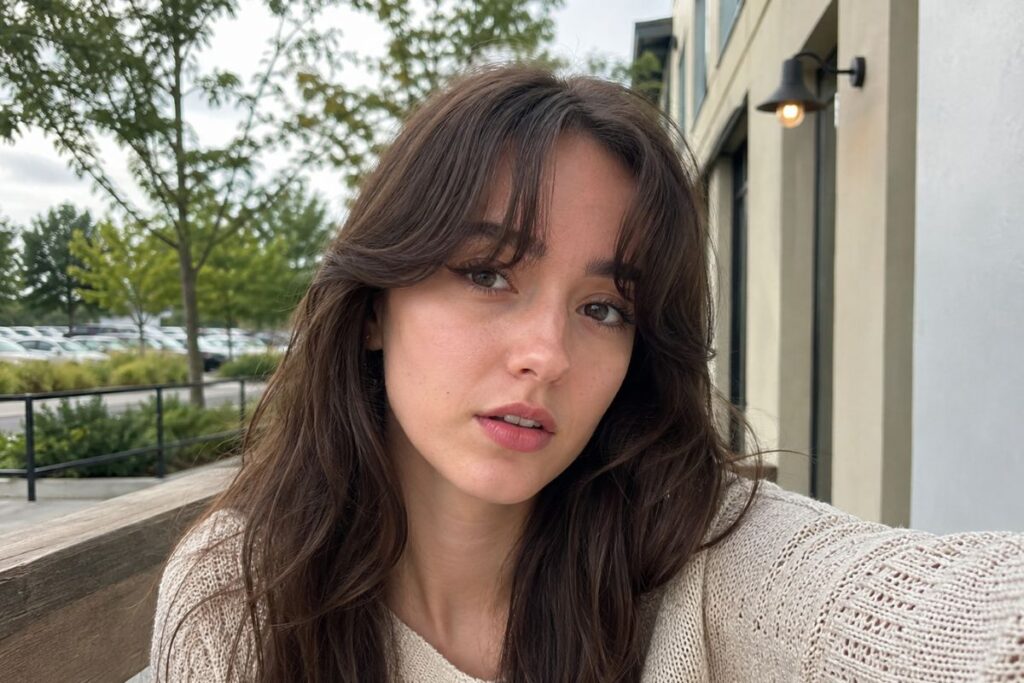
Arched bangs have a slightly raised center. This differs from a flat, even line. This shape masks a high forehead while adding root volume at the same time. It works especially well for readers who want bangs with a bit more visual interest.
Using Hair Color and Highlights to Add Visual Width
Strategic color placement can add visual width. It works the same way a haircut does. Lighter tones catch more light and draw the eye. This means where you place them matters.
Placing Lighter Tones at the Sides Rather Than the Center
Highlights concentrated around the cheekbones and temples pull visual attention outward. This directs it toward the sides of the face. This works in the same direction a good haircut already works. It adds width rather than reinforcing length. Avoid concentrating brightness down the center part instead. This can unintentionally emphasize the same vertical line a flat middle part creates.
Highlights concentrated around the cheekbones and temples pull visual attention outward. This directs it toward the sides of the face. This works in the same direction a good haircut already works. It adds width rather than reinforcing length. Avoid concentrating brightness down the center part instead. This can unintentionally emphasize the same vertical line a flat middle part creates. If you’re new to highlight placement, understanding where your natural color level sits first makes the conversation with your colorist much easier.
Why Face Framing Highlights Work Better Than All Over Color for This Face Shape
All over color treats every section of hair the same. It offers no real proportion benefit either way. Face
framing highlights work differently. Placed specifically around the hairline and cheek area, they do real visual work instead. This technique brightens exactly the area that benefits most from extra attention. That area is the sides of the face, not the whole head evenly.
Which Style Fits Your Hair Length and Texture
The right oblong face hairstyle depends on two things working together. Your current length matters. So does your natural texture.
Matching Your Current Length to the Fastest Fix
Is your hair already long? Adding curtain bangs is often the fastest change with the biggest visual impact. It requires no length change at all. Does your hair sit at shoulder length? A shag or layered shape adds width without a dramatic cut. Is your hair short? Look specifically for sideways volume rather than height. This single adjustment changes how the whole cut reads.
Matching Your Texture, Straight, Wavy, or Curly, to the Right Technique
Layers or bangs are best suited for straight hair. Texture alone will not naturally add width the way it does for wavy or curly hair. Wavy hair already does some of this work on its own. That natural wave has the best look when worn in a shag or shoulder length wave style. The straight lines of the oblong face are softened by curly hair. This is good for a curly bob or a curly side sweep, as little additional styling work will be required.
Frequently Asked Questions
What haircut is best for an oblong face?
For an oblong face, a shag, layered bob or a long cut with curtain bangs will all look good. They are each wider on the flanks. Each of these also does not have an additional increase in height at the crown. It’s not a matter of the style, so long as this fundamental is correct.
Should oblong faces get bangs?
Yes, bangs are one of the most effective tools for an oblong face. Curtain bangs and side-swept bangs both reduce the visible length of the forehead. They add width at the same time. Straight-across bangs work too, especially paired with a side part.
What hairstyles should oblong faces avoid?
Avoid sleek, flat, center parted long hair with no layers. Avoid tall, height heavy styles too, like a high pompadour or stacked bun. Avoid super-short crops with no volume built into the sides.
Is an oblong face the same as an oval face?
No, though the two are often confused. An oval face keeps its length and width fairly balanced. An oblong face is noticeably longer than it is wide. Its forehead, cheekbone, and jaw width stay close together throughout.
Can short hair suit an oblong face?
Yes, short hair can work well. Volume just needs to go sideways rather than straight up. A pixie styled with the top swept to one side works well. So does a layered bob at jaw length. Both add the width that a shortcut needs.
I have an oblong face and shoulder length hair, and every guide I find just tells me to get bangs, but I do not want bangs. What are my actual options without cutting a fringe?
A shag with layers concentrated at the cheekbone and jaw level works well without any bangs. Shoulder-length waves achieve a similar effect. Style them to push hair away from your face at the sides. Face-framing highlights can also add visual width without changing your cut at all.
I have an oblong face and curly hair, and I am worried volume at the crown will make my face look even longer. How do I add volume safely without that happening?
Use a diffuser on a low heat setting. Focus airflow at the sides rather than lifting straight up from the roots. This builds volume outward instead of upward. That is exactly the direction an oblong face benefits from. A shag or curly bob shape also helps keep volume naturally distributed at the sides.
Conclusion
Oblong face shape hairstyles come down to one consistent principle. Add width at the sides. Avoid height at the crown. Nearly any style category becomes a real option once you follow this.
Remember three things. First, confirm your actual face shape first. Use real measurements or the pulled back hair mirror test. Do this before assuming which styles apply to you. Second, a middle part is not automatically off limits. It depends entirely on whether your hair carries volume or lies flat. Third, your current length and texture should guide which specific style gets you there fastest.
Not Sure This Is Your Face Shape?
If your measurements don’t quite match an oblong shape, you might have a different face shape entirely. See our guides for the other shapes too.
2 Comments