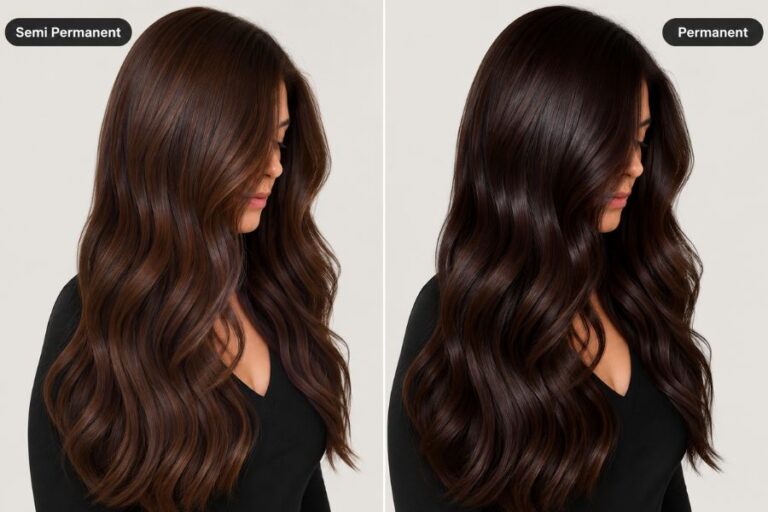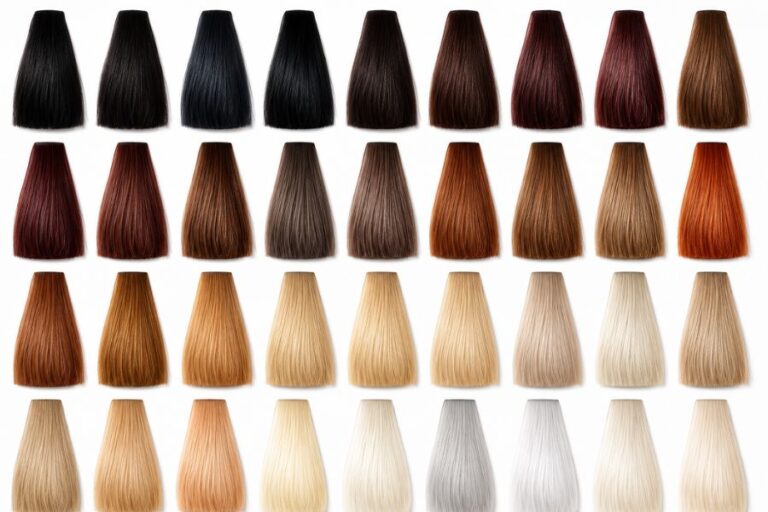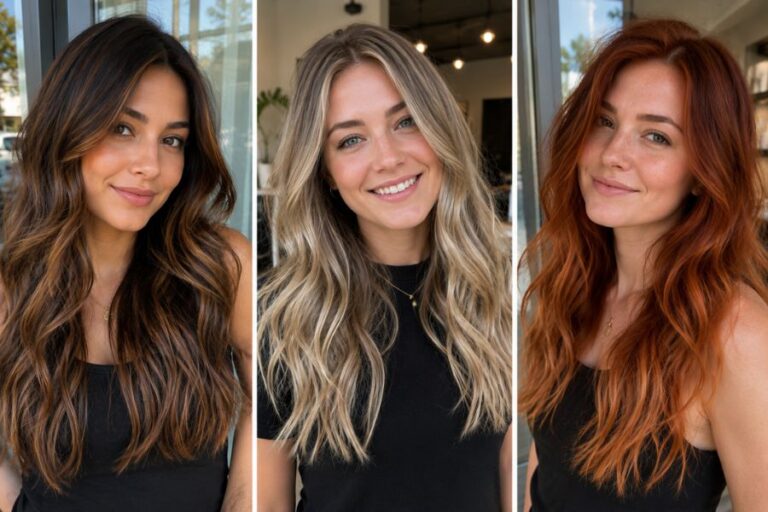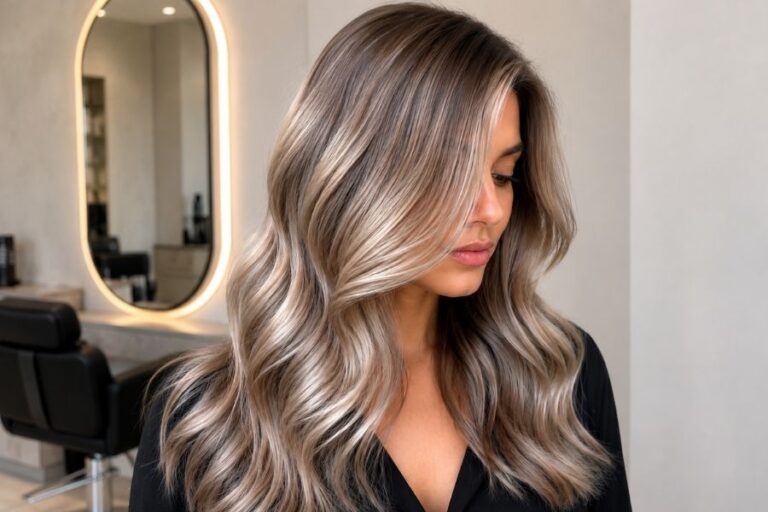
Red hair is the rarest natural hair color in the world. Only 1 to 2 percent of the global population has naturally red hair. That makes it far less common than black, brown or even blonde. Have you ever wondered why certain hair shades seem almost impossible to find? The answer comes down to genetics. It also comes down to geography. And it comes down to a single remarkable gene buried deep in your DNA.
In this guide, you will learn exactly why red hair holds this title. You will learn what science says about hair color distribution worldwide. You will see which other shades rank as rare. You will also learn what the rarest hair and eye color combination looks like. Are you naturally curious about your own hair? Are you thinking about achieving a rare color at the salon? By the end, you will understand this topic fully.
What is the Rarest Hair Color in the World?
Red hair is the rarest natural hair color on earth. It appears in only 1 to 2 percent of people worldwide. Picture 100 people walking past you on the street. Maybe one or two will have naturally red hair. Black hair sits at the other end of the spectrum entirely. It covers the large majority of the global population.
People naturally have one of four hair colors: black, brown, blonde, or red. Black dominates across Asia, Africa, and Latin America. Brown is the second most common. It is especially common across Europe and the Americas. Blonde hair is genuinely rare too. It is found mostly in Northern Europe. Red hair stands alone at the very bottom of the frequency chart.
Here is how natural hair color frequency compares among people of European ancestry. This comes from a genetic analysis of over 340,000 participants in the UK Biobank:
| Hair Color | Percentage (UK Biobank, European ancestry) |
| Light Brown | 41.1% |
| Dark Brown | 37.2% |
| Blonde | 11.5% |
| Red | 4.6% |
| Black | 4.2% |
This data reflects people of European ancestry specifically. It does not reflect the world as a whole. Black hair is far more dominant globally. This becomes clear once you include Asian and African populations. Those groups were not part of this genetic study. Red hair’s global rarity tells a more consistent story. Experts generally cite it at 1 to 2 percent of the world’s population. This figure holds steady across genetics research. It does not matter which population gets studied.
Why Is Red Hair So Rare? The Science of Hair Pigment
One single substance controls your hair color. That substance is melanin. Your hair follicles produce melanin. This pigment determines whether your hair grows in jet black, warm brown, pale gold, or deep copper red. Two types of melanin do all the work. Eumelanin creates brown and black shades. Pheomelanin creates red and yellow tones.
Most people produce large amounts of eumelanin. This is why dark hair dominates the global population. People with brown or black hair have high eumelanin levels. They have very little pheomelanin. Blonde hair results from low eumelanin production overall.
Red hair works completely differently. Both copies of the MC1R gene need to carry a certain variant. When this happens, melanocytes produce more pheomelanin instead of eumelanin. This is exactly why redheads carry those signature copper and red shades. Here is the catch. Both gene copies need this variant at the same time. That is exactly what makes red hair so statistically uncommon.
How Does the MC1R Gene Control Red Hair?
The MC1R gene is the single most important factor in red hair. This gene gives your body instructions. It tells your body how to make a protein called the melanocortin 1 receptor. This receptor helps determine which type of melanin your melanocytes produce, as MedlinePlus Genetics explains.
Think of MC1R as a switch. In most people, the switch stays in the default position. The body produces eumelanin. This results in brown or black hair. But some people carry certain variants of the MC1R gene. Their body’s signaling shifts. Melanocytes produce more pheomelanin instead. This results in red hair, pale skin, and freckles.
Most people do not expect this next detail. Red hair is a recessive trait. Genetic studies confirm this. These studies focus on families with a strong history of red hair, detailed in a genetics paper published in Human Molecular Genetics.
Both parents must carry an MC1R variant for a child to be born with red hair. Two brown haired parents can absolutely have a redheaded child. This happens if each parent carries one copy of the variant. That is why red hair can seem to skip generations. It can pop up unexpectedly in a family.
Picture two carrier parents. Neither one has red hair themselves. Every parent hands off one copy of their MC1R gene to their child. Standard recessive inheritance takes over from there. Their child has a real chance of being born with red hair. This is the same basic genetic pattern behind any recessive trait.
One more finding has been confirmed across multiple studies. Redheads carrying MC1R variants show measurably different responses to pain. They also respond differently to certain anesthesia and pain medications. Researchers have traced this connection to how this gene affects pain signaling, according to peer reviewed research published in the Proceedings of the National Academy of Sciences and the Journal of Medical Genetics.
Where in the World Has the Most Red Hair?
Red hair concentrates heavily in specific geographic regions. Northern and Western Europe lead the way. Estimates for Scotland and Ireland vary across genetic surveys. They generally range from about 6 to 13 percent of the population. That is higher than almost anywhere else on earth.
Genetic carrier rates run much higher than the visible redhead percentage in these populations. Carrying a single copy of an MC1R variant does not produce red hair on its own. Only two copies together do that. This is a normal feature of recessive genetics. It explains why the trait stays common in the gene pool, even when fewer people show it outwardly.
Outside of the British Isles, red hair appears in smaller pockets across Northern Europe. This includes parts of Germany, the Netherlands, and Scandinavia. It also shows up occasionally in parts of North Africa and the Middle East. These rates stay very low there.
In the United States, authentic red hair matches the global rate. That rate sits at roughly 1 to 2 percent of the population. Finding a natural redhead is genuinely rare. This holds true even in a country of over 330 million people.
| Region | Estimated Redhead Percentage |
| Scotland | Roughly 6 to 13% |
| Ireland | Roughly 6 to 10% |
| Wales and England | 4 to 6% |
| Rest of Western Europe | 1 to 4% |
| United States | About 1 to 2% |
| Global Average | 1 to 2% |
Estimates vary across genetic surveys and population studies.
What Other Natural Hair Colors Are Considered Rare?
Red takes the top spot. But it is not the only rare shade worth knowing about. Several other natural hair colors are far less common than most people realize.

Strawberry Blonde sits in a unique category. It combines the genetic traits of both red and blonde hair. This creates a golden copper tone. Strawberry blonde hair appears in only a small percentage of people. It requires expert salon techniques to maintain when achieved artificially. Natural strawberry blonde is arguably even rarer than standard red. It depends on a specific balance of both pheomelanin and low eumelanin.

True Blonde is rarer than most people in Western countries assume. Authentic blonde hair makes up only about 2 percent of the global population. Blonde hair feels common in the United States, Germany, and Scandinavia. But much of what people call blonde hair globally has actually been colored or highlighted.

White or Silver Hair from Birth is extremely rare. It is usually linked to genetic conditions like albinism. It can also come from a condition called poliosis. This condition causes individual patches of hair to lack melanin entirely. This is distinct from hair that turns grey or white with age.
Here is a quick ranking of rare natural hair colors:
| Rank | Hair Color | Estimated Global Rarity |
| 1 | Natural Red | 1 to 2% |
| 2 | Strawberry Blonde | Less than 1% natural |
| 3 | True Blonde | About 2% globally |
| 4 | White or Silver from birth | Extremely rare |
What Is the Rarest Hair and Eye Color Combination?
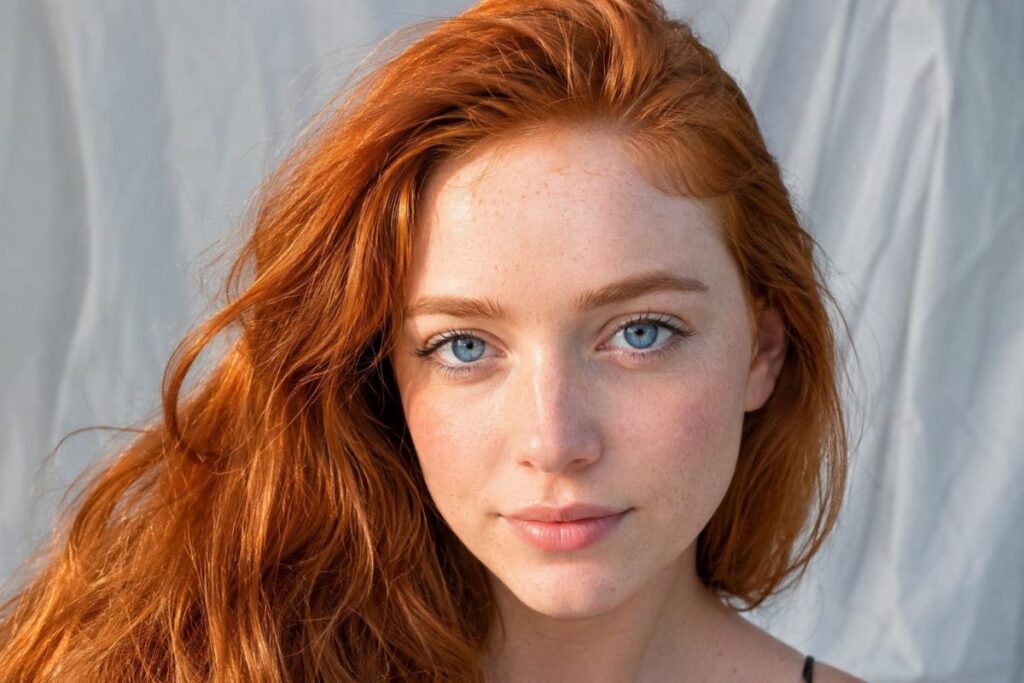
Some hair and eye color pairings are so uncommon that seeing them in real life can feel like a genuine surprise. The rarest combination of all happens when both hair color and eye color are rare at the same time.
Red hair with blue eyes is widely described as the world’s rarest such combination. Both traits require specific recessive gene variants to appear together. Most natural redheads actually have brown or green eyes rather than blue. Red hair paired with green eyes creates another striking combination. Green eyes themselves rank among the rarer eye colors, which makes this pairing uncommon too.
Do you have red hair and blue eyes? Then you are carrying two of the rarest genetic traits a human can express at once. That pairing represents a tiny fraction of the world’s population.
Can You Achieve a Rare Hair Color at the Salon in 2026?

You do not have to be born with rare hair to wear it. Red, copper, and strawberry blonde are now some of the most requested colors in US salons in 2026. A skilled colorist can get you very close to the real thing.
That said, achieving these shades takes more than a box from the drugstore. Natural red hair has a specific warmth and depth. That depth comes from pheomelanin. Mimicking that at home often results in a flat or brassy tone instead. A professional colorist works differently. They use a mix of warm copper, auburn, and red tones layered together. This creates the dimension that natural red hair has.
Copper and ash tones are also rare. They require careful upkeep. They fade faster than darker shades. They are also sensitive to heat styling and sun exposure.
Are you going red for the first time? Here is what most colorists recommend in 2026. Start with a consultation. Your colorist will assess your current hair color. They will figure out what level of lift your hair needs. Use a color safe, sulfate free shampoo from day one. Avoid washing your hair too frequently in the first two weeks after coloring. Always apply a heat protectant before using any hot tool. Red pigment molecules are smaller than brown or black molecules. They escape the hair shaft faster with heat exposure.
How to Care for Rare Hair Colors So They Last Longer
Is your rare color natural or salon achieved? Either way, keeping it vibrant requires a specific routine. Rare hair colors fade quickly without the right care. This is especially true for red and copper tones.
Start with a sulfate free shampoo. Sulfates strip color from the hair shaft faster than almost anything else. Switching to a gentle, color safe formula can add weeks to the life of your color. Wash your hair in cool or lukewarm water rather than hot. Heat opens the cuticle. This lets pigment escape.
UV exposure is another major factor. Red and copper hair colors fade faster in direct sunlight. Apply a UV protectant spray before sun exposure. Red pigment fades faster in sunlight than any other color. Wear a hat when spending extended time outdoors too. Many colorists in 2026 also recommend a weekly color depositing conditioner. Use one in a warm red or copper tone. This helps maintain vibrancy between salon visits.
Do you have red hair and curly texture? This combination needs special shampoos, UV protection, and gentle styling. Curly hair is naturally more porous. This means color fades even faster. If your hair is curly and you are wearing a rare color, add deep conditioning treatments every one to two weeks. This helps seal the cuticle. It keeps color locked in longer.
FAQ
Which country has the most natural redheads?
Scotland and Ireland rank as the top countries for natural redheads. Estimates generally range from about 6 to 13 percent of the population. Globally, only 1 to 2 percent of people are born with naturally red hair.
Is strawberry blonde hair rarer than red hair?
True natural strawberry blonde is arguably as rare as standard red hair, if not rarer. It requires a very specific balance of red and blonde pigmentation. However, it is commonly achieved in salons. It is one of the most requested rare shades in 2026.
What is the rarest hair and eye color combination?
Red hair with blue eyes is widely considered the rarest hair and eye color combination in the world. Both traits are genetically recessive. Both require specific gene variants from both parents. Most natural redheads have brown or green eyes instead.
Can two dark haired parents have a red haired child?
Yes, absolutely. Two dark haired parents can have a redheaded child. This happens if both parents carry a single copy of the MC1R gene variant. Neither parent shows red hair themselves. Each parent passes their copy to the child. The child then inherits two copies and is born with red hair.
How do I keep my red hair color from fading?
Use a sulfate free shampoo. Wash in cool water. Avoid excessive heat styling. Apply a UV protectant spray before sun exposure. Red pigment fades faster in sunlight than any other color. A weekly color depositing conditioner in a warm red or copper tone helps maintain vibrancy between salon appointments.
Is natural blonde hair actually rare worldwide?
Yes. Natural blonde hair is genuinely rare on a global scale. It is found in only about 2 percent of the world’s population. It feels common in Western countries and media. That is because it is common in Northern Europe. It is also common among people with Northern European ancestry. Globally, the vast majority of people have dark brown or black hair.
Conclusion
Red hair is the rarest natural hair color in the world. Now you know exactly why. It comes down to one gene, the MC1R gene. It comes down to a recessive inheritance pattern. It also comes down to one more thing. A very specific set of circumstances has to line up for red hair to appear.
Remember three things from this guide. First, only 1 to 2 percent of people globally are born with naturally red hair. This makes it a true genetic rarity. Second, Scotland and Ireland hold the highest concentrations of redheads anywhere on earth. Third, even if you were not born with a rare color, a skilled colorist can help you achieve one. Just follow the right care routine to keep it looking its best.