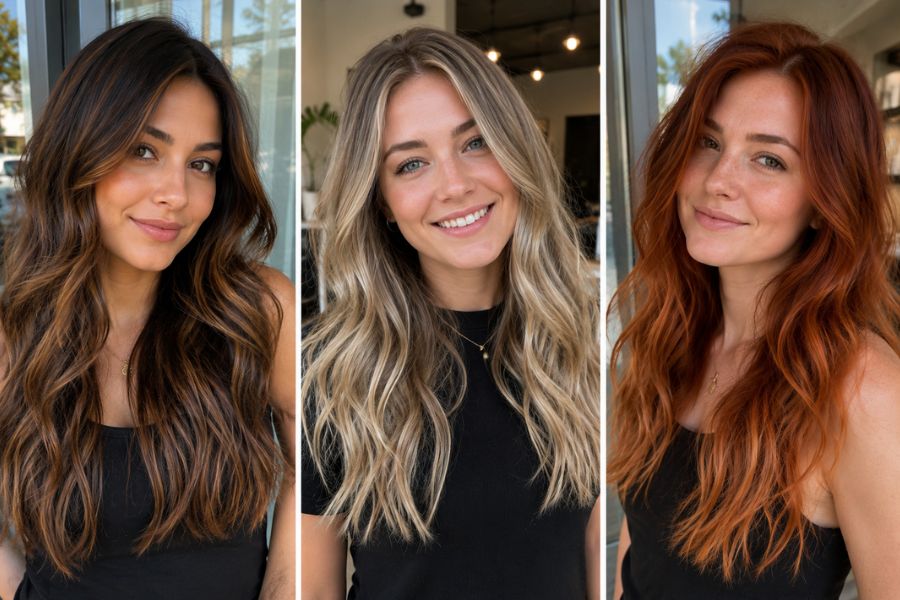
Hair coloring techniques are the different methods a stylist uses. Each one applies color to your hair differently. The technique you pick affects how natural the color looks. It also affects the cost and how often you need a touch up. Have you ever left a salon consultation more confused than when you walked in? You are not alone.
This guide is for anyone who wants to walk into a salon and know exactly what to ask for. You will learn the real difference between every major technique. You will also learn how permanent and semi permanent color actually work on your hair. And you will learn how to pick the option that fits your hair type and your patience for upkeep.
✔ Key Takeaways
- Hair coloring techniques are the different methods used to apply color. The method matters as much as the shade.
- Balayage and ombre grow out softly since color stays off the root. Foil highlights need more frequent upkeep.
- Permanent color changes the hair shaft itself. Semi permanent color only coats the surface and fades out.
- A patch test before every dye job is a real safety step. It is not just a suggestion on the box.
- Matching your technique to your hair type matters more than chasing a trend. So does your maintenance tolerance.
What Are Hair Coloring Techniques
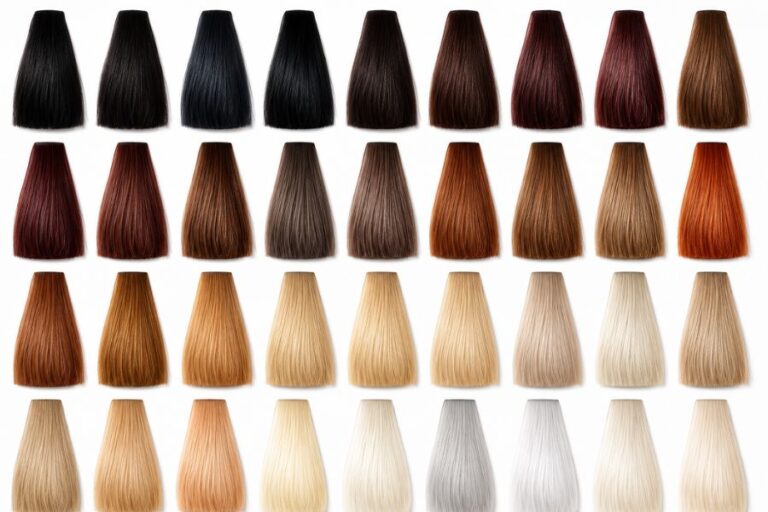
Hair coloring techniques are the specific methods stylists use to apply color. They are different from the color itself. A shade tells you what color you end up with. A technique tells you how that color gets onto your hair.
Foil based techniques isolate sections of hair for more control. Hand painted techniques, like balayage, apply color directly with a brush. This creates a softer blend. All-over techniques, like single-process color, coat every strand the same way. The result is one uniform color.
Single process color is the simplest baseline. One shade goes on your entire head at once. Stylists use it to cover gray. They also use it to deepen natural color or change it completely. It is often the starting point other techniques get layered on top of.
11 Trendy Hair color techniques
Traditional Highlights
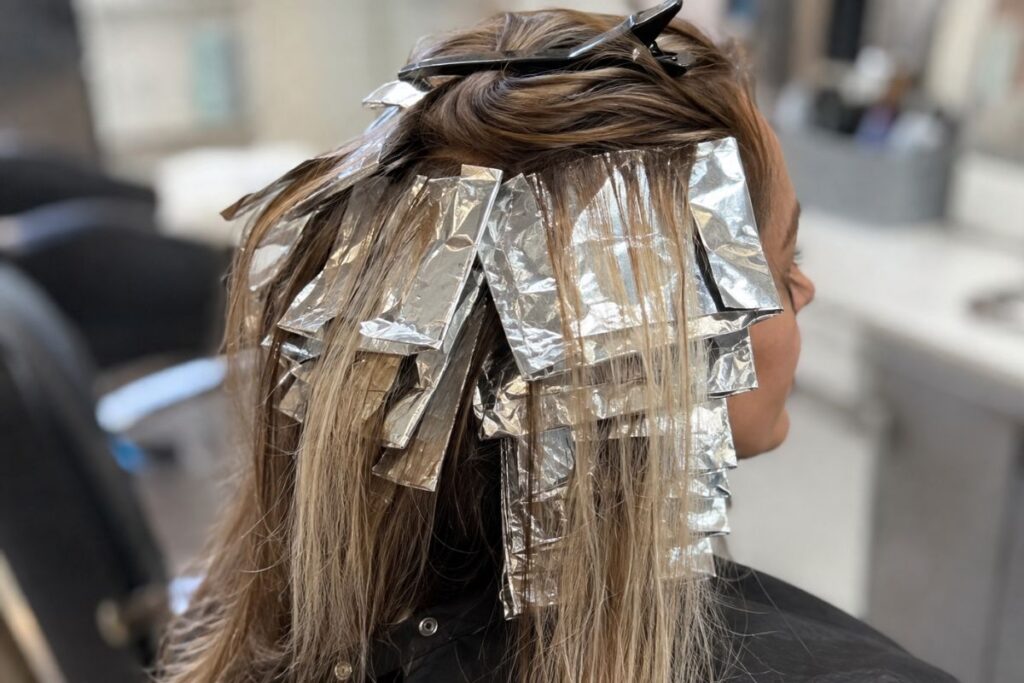
Highlights lighten selected strands of hair using foils. This remains one of the most requested services in salons across the country. The foil isolates each section. This keeps the lightener contained for an even result from root to end.
There are four sub types of highlighting. Foil highlights use classic wrapped sections. Hand painting brushes lightener onto thin strands without foil. Frosting lightens only the very tips, often on shorter hair. Chunking uses thicker sections for a bolder contrast. Highlights work on any hair length and suit most face shapes, though they typically need a root touch up every six to eight weeks.
Lowlights
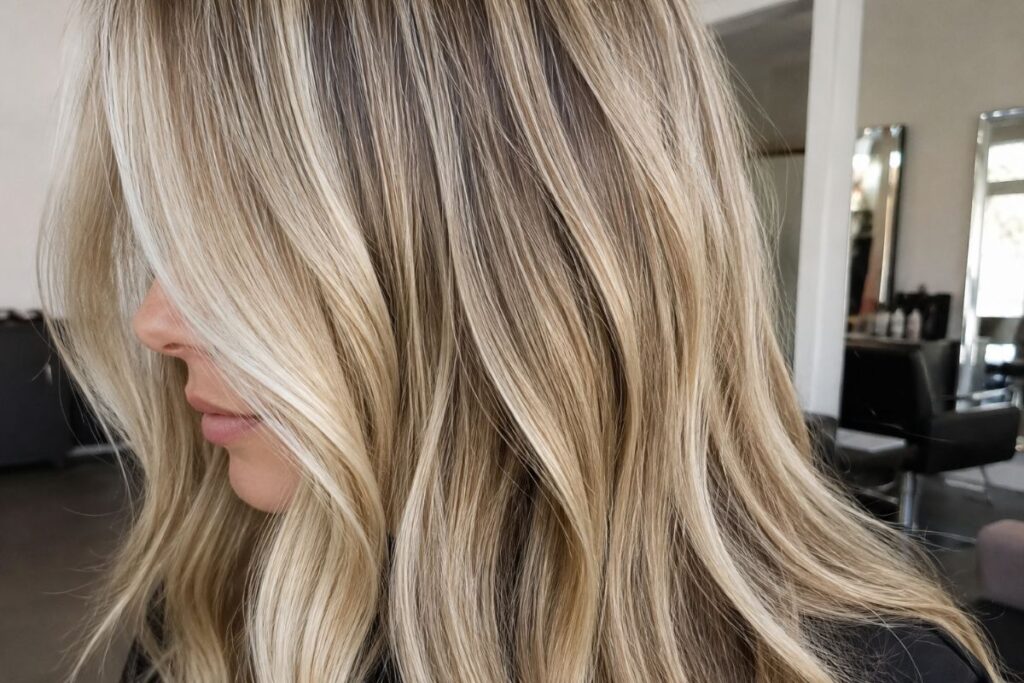
Lowlights work the opposite way from highlights. Instead of lightening strands, a stylist adds darker tones to create depth. This works well if your highlights have grown flat over time. It also works if you want richness without going lighter overall, and lowlights are often combined with highlights for balance.
Babylights
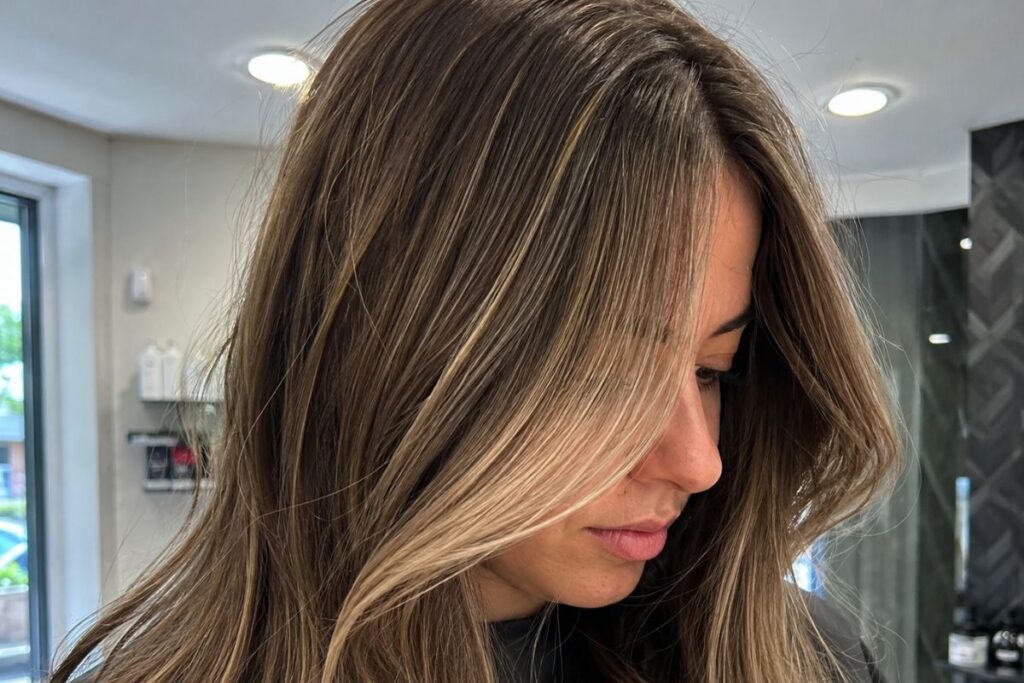
Babylights and ribbon highlights both use finer sections than traditional highlights. But they are placed differently. Babylights sit close to the roots and around the face. They mimic the soft color children naturally have before their hair darkens with age. Because the sections are so thin, babylights grow out with almost no visible line.
Ribbon highlights run through the mid lengths and ends instead. They add subtle brightness throughout the hair rather than just near the face. This makes them one of the lowest maintenance highlight options available, often needing a touch up only every three to four months.
Balayage
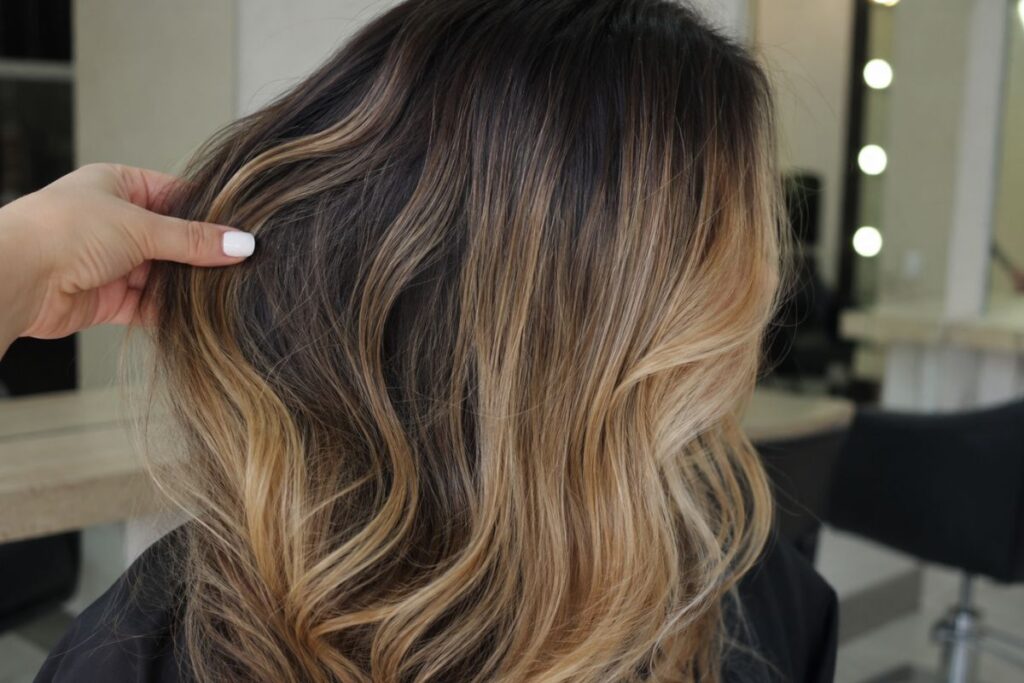
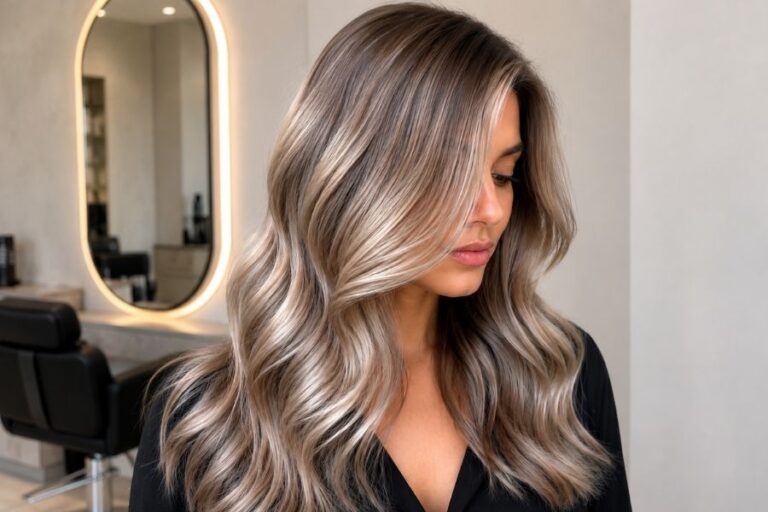
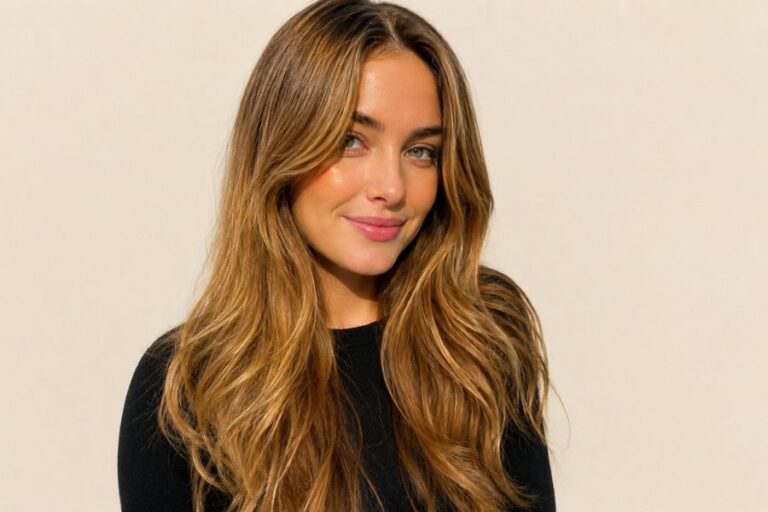
Balayage is a hand painted hair coloring technique applied freehand without foils. The term comes from the French word for sweeping. It remains one of the most requested low maintenance color services in the United States. A stylist paints lightener directly onto your hair. The color concentrates in the mid-lengths and ends rather than at the root.
Balayage differs from highlights mainly in application and grow out. Highlights use foils for a controlled, even lift throughout the hair. Balayage skips the foil entirely. This creates a softer transition, so your roots grow out without a harsh line.
Ombre
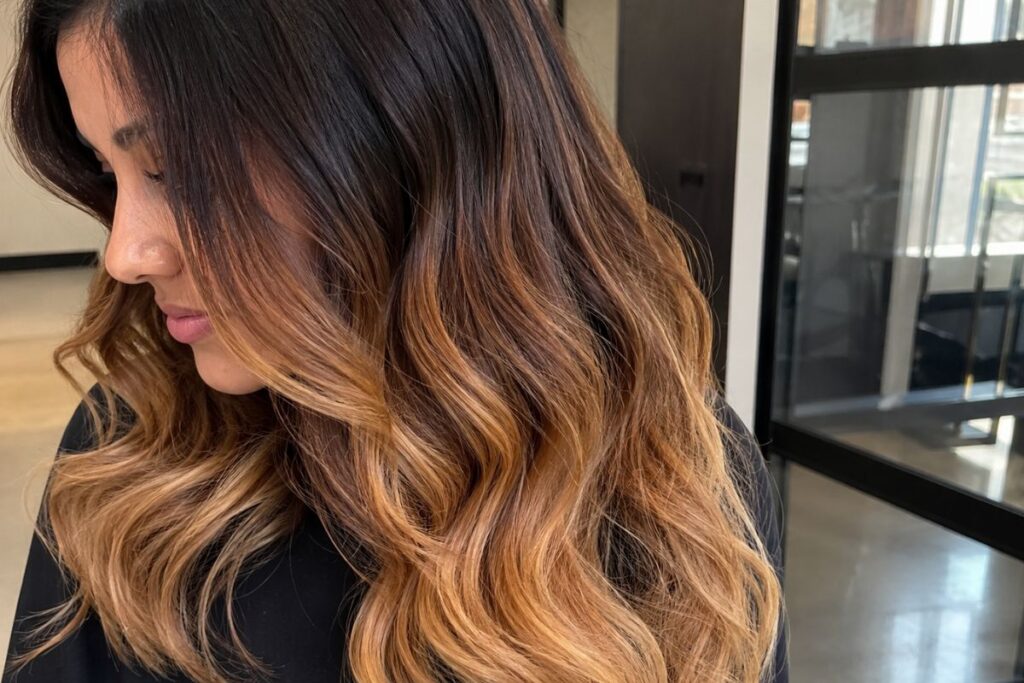
Ombre and sombre both describe a gradient from darker roots to lighter ends. But the contrast level is different. Ombre creates a bold, visible transition between the two shades. Sombre, short for soft ombre, blends tones that sit much closer together. The result is a gentler, more natural fade. Reverse balayage flips the usual pattern. It starts with a lighter color at the root. That color fades toward a darker shade at the ends.
Sombre
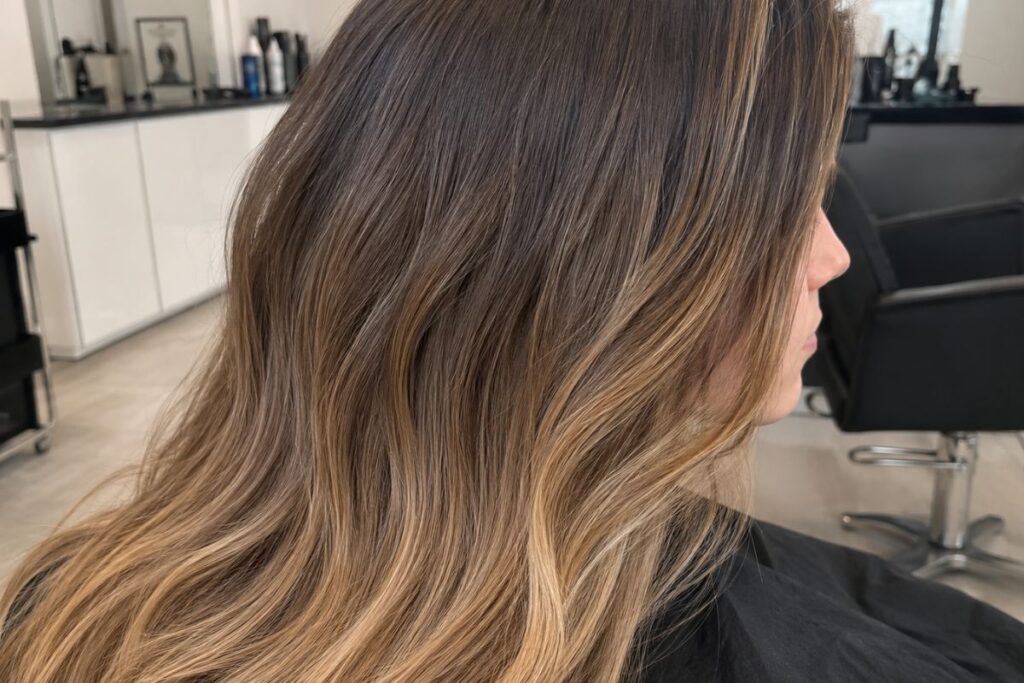
Sombre is short for soft ombre. It is a gentler version of the same concept. The tones sit much closer together. This creates a subtle, natural gradient rather than a stark line. Sombre works well for anyone who wants dimension without an obvious statement. It suits nearly any hair length and color type.
Reverse balayage
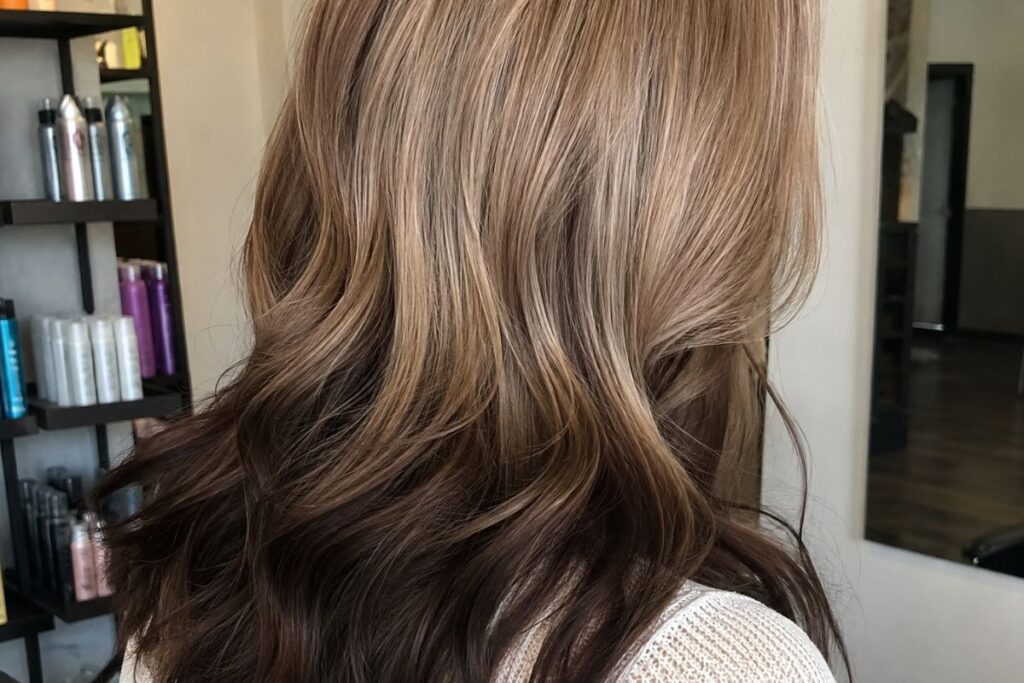
Reverse balayage flips the usual pattern. Most techniques start dark at the root and fade lighter. This one does the opposite. It starts with a lighter color at the root. That color fades toward a darker shade at the ends. This is a less common request. But it offers a fresh alternative for anyone who wants dimension without the typical root to tip pattern.
Color Melt
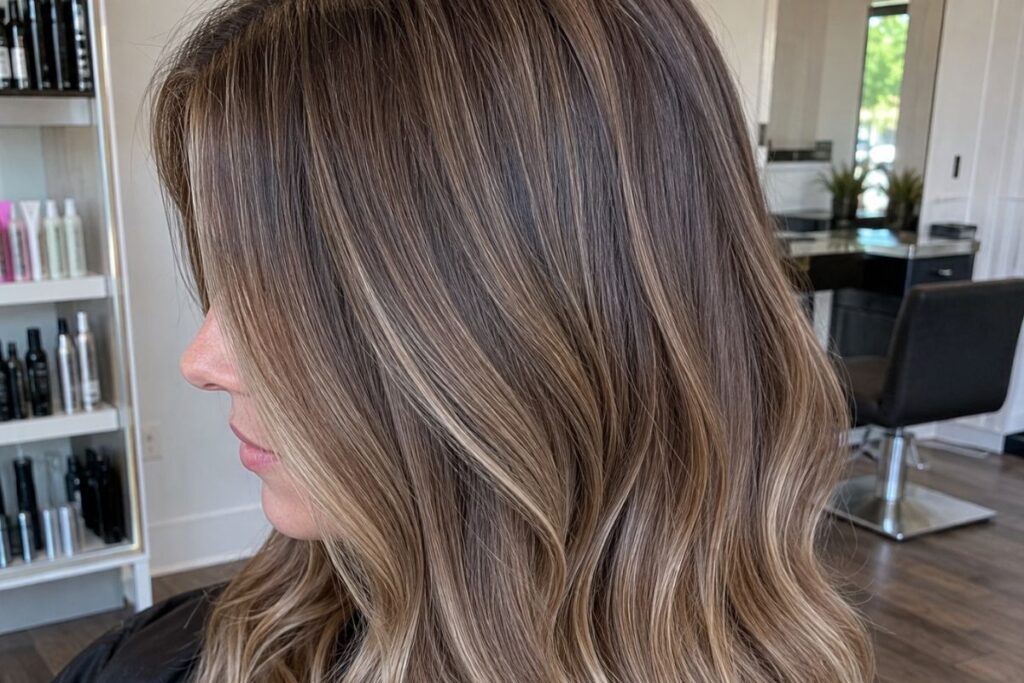
Color melt, foilayage, and ecaille all aim for seamless blending. But each does it differently. Color melt fuses multiple shades together with no visible line at all. Foilayage combines two things. It has the hand painted softness of balayage. It also has the extra lift that foils can provide. Ecaille, also called tortoiseshell, blends warm golds and deep chocolates. The look is inspired by tortoiseshell patterns.
Comparison table: Hair Coloring Techniques Compared
| Technique | Application Method | Root Touch Up Frequency | Best Hair Type | Damage Level |
| Foil Highlights | Foil based | Every 6 to 8 weeks | All types | Moderate |
| Balayage | Hand painted | Every 3 to 4 months | Wavy and curly hair | Low to moderate |
| Ombre | Hand painted or foil | Every 4 to 6 months | Medium to long hair | Moderate |
| Sombre | Hand painted | Every 4 to 6 months | All lengths | Low |
| Single Process Color | All over | Every 4 to 6 weeks | Uniform color seekers | Moderate to high |
| Color Melt | Combined methods | Every 3 to 5 months | Multi tone seekers | Moderate |
Bronde
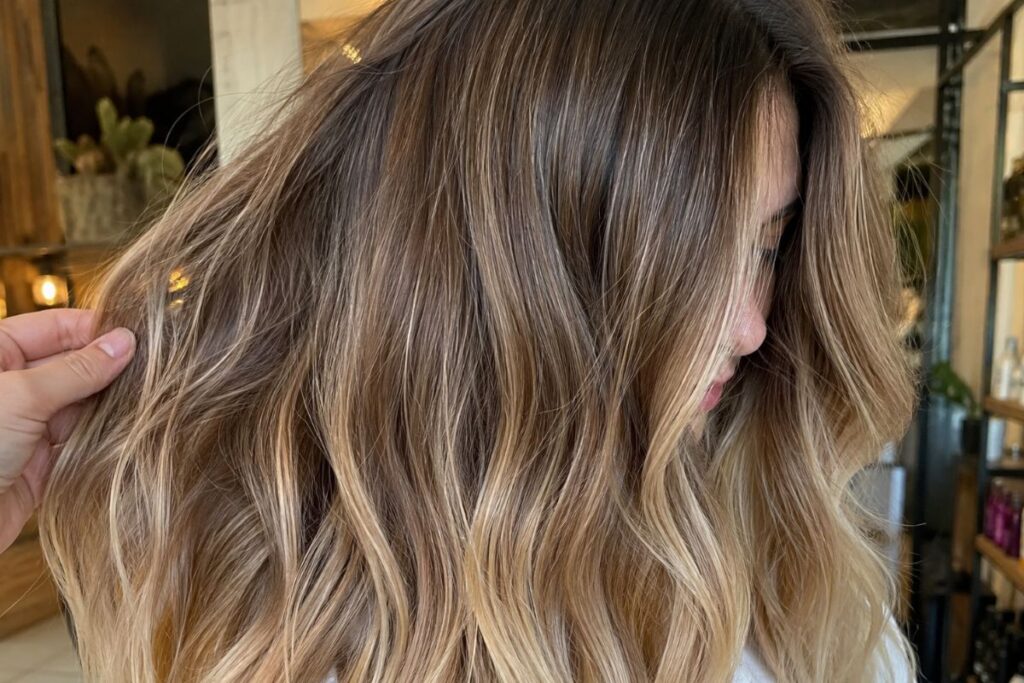
Bronde sits between blonde and brown. Stylists apply it in layers, with deeper roots and brighter tips. The finish is warm and dimensional. Chunky highlights use thick, high contrast sections for a bold, retro inspired look. Bronde suits natural brunettes who want a lighter look without going fully blonde. A deeper variation leans more brown overall. It still has subtle blonde dimension throughout. Frosting lightens only the very tips, often on shorter cuts.
Fashion colors
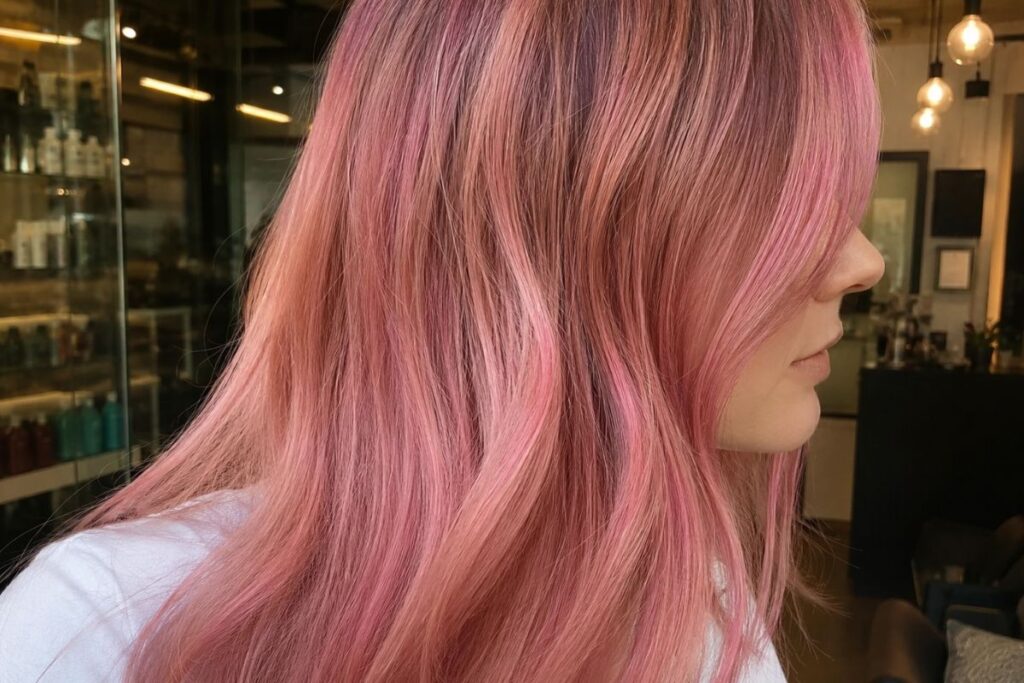
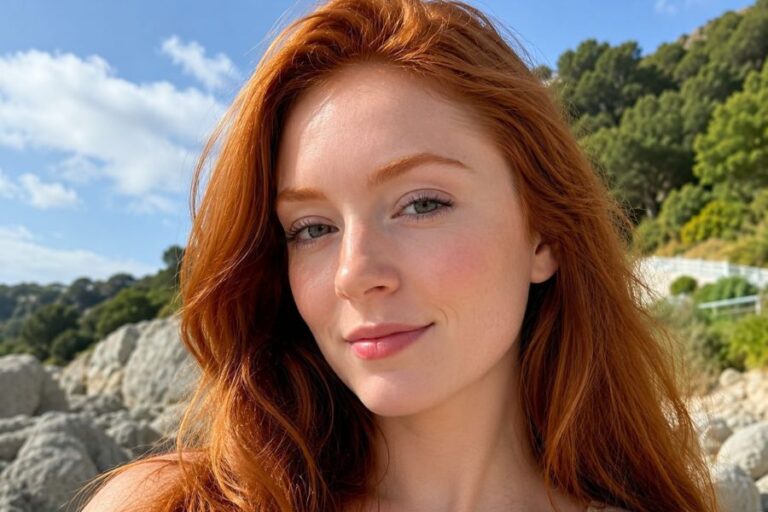
Fashion colors cover anything outside natural shades, from pastel pink to electric blue. Almost any technique on this list can be used to apply a fashion color. Hair contouring borrows its concept from makeup. It places lighter and darker tones strategically. The goal is to soften or sharpen the appearance of your bone structure and face shape.
Dip Dye
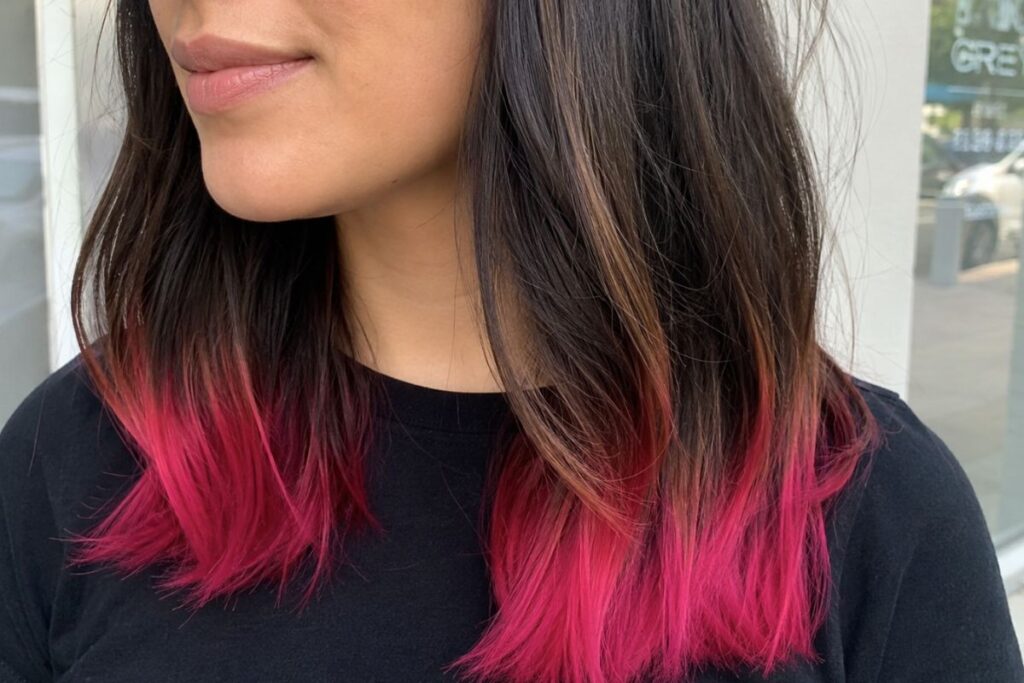
Dip dye colors only the very ends of the hair. The shade is dramatically different from the rest. There is little to no blending in between the two colors. Teasy lights are a hybrid between balayage and traditional highlights. Stylists lightly tease the hair before applying lightener.
This creates a high contrast, editorial look. It has become popular again through social media. Dip dye suits anyone wanting a bold, temporary looking statement. You do not need to commit to a full head change. The result is a softer, more textured finish.
Permanent vs Semi Permanent Hair Color
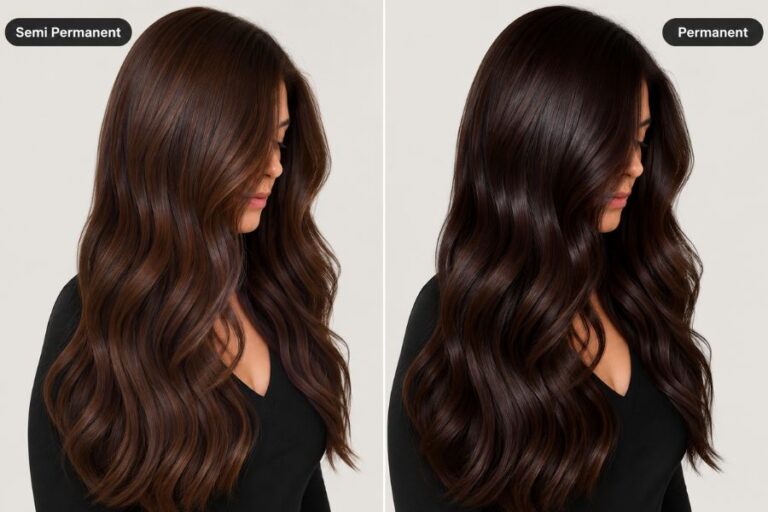
Permanent hair color changes the internal structure of your hair. Semi permanent color only coats the outer layer. It gradually washes away. This is the single biggest factor in how long your color lasts and how it fades over time.
Most permanent hair dyes use an alkalizing ingredient combined with hydrogen peroxide. This combination lifts the hair cuticle. Color pigment then settles inside the cortex. Because the color sits inside the hair rather than on the surface, permanent dye grows out at the root. It does not wash out or fade the way semi permanent color does.
Semi permanent and demi permanent color work differently from each other too. Semi permanent color coats the outside of the hair shaft without opening the cuticle. It fades gradually over several washes. It never lifts your natural color. Demi permanent color uses a small amount of developer. This deposits color slightly deeper than semi permanent formulas. It does not lighten your natural shade. That is why it lasts longer than semi permanent color but shorter than permanent dye.
If you want the longest lasting result with full gray coverage, permanent color wins. Do you want to experiment with less commitment? Semi permanent or demi permanent options are the safer starting point.
How to Choose the Right Hair Coloring Technique for You?
Choosing the right technique means matching three things. These are your hair type, your maintenance tolerance, and your color history. Getting even one of these wrong is usually why a color service does not turn out the way you pictured it.
Wavy and curly hair tends to show balayage and color melt beautifully. The natural movement in the hair enhances the soft blending these techniques create. Straight, fine hair often benefits more from foil highlights or babylights instead. The more defined sections add visible dimension that straight hair can lack on its own.
Do you dread frequent salon visits? Balayage, sombre, and reverse balayage are built for you. Color grows out softly without a hard line at the root. If you love a fresh, polished look, foil highlights or single-process color work better. Neither of these options minds more frequent appointments.
Virgin hair means hair that has never been colored or bleached. It generally handles any technique well. The hair shaft has not been weakened by previous chemical services. Previously colored or bleached hair needs more caution. Layering new chemical processes onto already compromised hair raises the risk of breakage. If your hair has been bleached before, tell your stylist honestly. This changes how much processing your hair can safely handle in one visit.
Hair Coloring Safety and Damage Prevention
A patch test before any hair dye service is a genuine safety step, not just a box-printed formality. According to the FDA’s cosmetics safety guidance on hair dyes, you should apply a small amount of dye to the inside of your elbow or behind your ear, then wait two full days to check for a reaction. The FDA recommends doing this every time, even with a product you have used before.
Step 1: Apply a small amount of the exact dye you plan to use to your inner elbow or behind your ear.
Step 2: Wait two full days without washing the area. Watch for redness, itching, swelling, or a rash.
Step 3: If any reaction appears, do not use that dye on your hair. Consult a dermatologist if the reaction is severe.
Step 4: If no reaction appears, proceed with coloring. Always follow the timing instructions on the product exactly.
Dermatologists also recommend having only one chemical service at a time. The American Academy of Dermatology’s coloring and perming guidance is clear on this: do not color and perm or relax your hair in the same appointment. After coloring, switch to a shampoo formulated for color treated hair, and use a leave in conditioner with sun protection to slow down fading and reduce dryness.
Hair Coloring Maintenance and Root Touch Up Schedule
Touch up timelines vary a lot depending on the technique. This is usually the detail people underestimate before booking a service. Foil highlights typically need a refresh every six to eight weeks. The color starts close to the root, so regrowth becomes visible quickly. Balayage and sombre stretch much further. They often last three to four months before a touch up is needed. The color sits away from the root by design.
Single-process color requires the most frequent attention when covering gray. This is often every four to six weeks. Regrowth shows up as a visible line at the root fast. Ombre and color melt fall in the middle. They generally need a refresh every four to six months depending on how much natural growth you have.
Between salon visits, try a color depositing conditioner or gloss treatment. Either one can refresh a faded tone without committing to a full color service. Washing with cool water instead of hot helps too. Spacing out washes with a dry shampoo helps as well. Your color holds its vibrancy longer between appointments.
Frequently Asked Questions
What’s the difference between balayage and ombre?
Balayage is a hand painted technique applied without foils. Ombre describes a specific, bold, high-contrast fade from dark roots to light ends. Balayage can create an ombre effect. But ombre itself refers to the color pattern, not the application method.
What is the least damaging hair coloring technique?
Semi permanent color and balayage tend to cause the least damage. Semi permanent formulas do not open the cuticle. Balayage often uses less overall lightener than full head foils. Some techniques avoid repeatedly touching the scalp. This also reduces cumulative stress on the hair shaft.
What is color melting?
Color melting blends multiple hair shades together. There is no visible line between them. Traditional highlights create distinct, separated sections instead. Color melt aims for one continuous, seamless gradient from root to end.
How often do you need touch ups for highlights?
Traditional foil highlights typically need a touch up every six to eight weeks. The color starts close to the root, so regrowth becomes noticeable fairly quickly. Balayage and similar hand painted techniques stretch further. They often go three or four months instead.
Is balayage or highlights better for fine hair?
Foil highlights often work better for very fine, straight hair. The defined sections add visible dimension the hair might otherwise lack. Balayage tends to shine more on hair with natural wave or curl. Its soft blending has real movement to work with there.
Which technique fits low maintenance virgin hair best?
Balayage or sombre is a strong starting point. They work well for virgin hair wanting low maintenance color. Both grow out softly without a hard root line. Your hair has no prior chemical history. It should handle the initial lightening process well. A patch test is still recommended.
Semi permanent vs demi permanent color, which lasts longer?
Semi permanent color only coats the surface of the hair. It fades within four to six weeks. Demi-permanent color uses a small amount of developer to deposit color slightly more deeply. It does not lighten your natural shade. Demi permanent lasts longer, typically six to eight weeks. Neither lasts as long as permanent dye.
What hair coloring technique looks the most natural for gray coverage?
Single process permanent color remains the most reliable option for full gray coverage. It is formulated to fully saturate and cover white or gray strands. Techniques like balayage or highlights can blend gray at the surface. But they generally do not provide complete coverage on their own.
Conclusion
Choosing among hair coloring techniques comes down to one thing. You need to understand what each one actually does. It is not just about what looks good in a photo. The technique you choose shapes how natural your color looks. It also shapes how much upkeep it demands and how healthy your hair stays along the way.
Three things are worth remembering. Balayage and similar hand painted techniques grow out gently. They need fewer salon visits too. Foil highlights and single process color demand more frequent touch ups. Permanent and semi permanent color work in fundamentally different ways. Pick based on how long you want the result to last. And a patch test before dyeing is never optional. It is a genuine safety step worth taking every time.
Explore more of our hair color guides to find your next look with confidence.