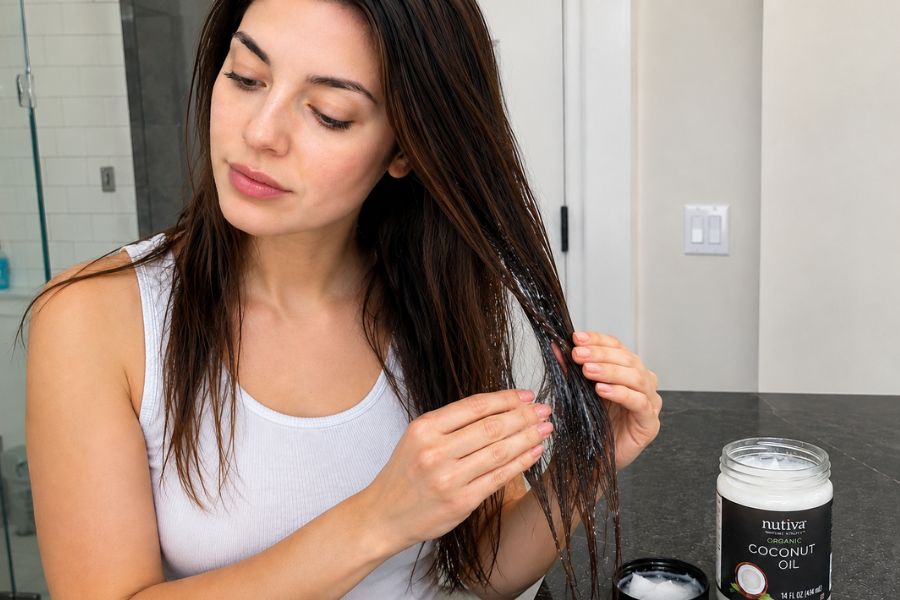
No published research shows that coconut oil makes hair grow faster. It can make your existing hair look fuller, shinier, and less damaged. That is why so many people believe it speeds up growth in the first place. If you want longer hair, coconut oil is a helpful supporting player. It is not the main event.
This guide is for anyone using coconut oil for thinning hair, breakage, dandruff, or general growth hopes in 2026. You will learn the real biology behind hair growth. You will also learn what coconut oil can and cannot do for it. We cover which hair types benefit most, and how coconut oil actually compares to biotin and minoxidil.
✔ Key Takeaways
- Coconut oil has no proven effect on new hair growth at the follicle level.
- It does reduce protein loss and breakage. This makes hair look longer and thicker over time.
- Genetics and the hormone DHT drive most hair thinning, not a lack of oil.
- Minoxidil is the only over the counter option with strong evidence for actual regrowth.
- Virgin, unrefined coconut oil works best for hair. Refined versions are milder.
Does Coconut Oil Help Hair Grow Faster?
No, coconut oil does not make hair grow faster. There is no research showing it wakes up new growth at the hair follicle. The follicle is where actual growth begins. Coconut oil mostly protects the hair you already have. People often mistake that protection for faster growth.
Coconut oil is rich in lauric acid. This is a fatty acid with a straight, small shape. That shape lets it soak into the hair shaft instead of sitting on top of it. A well known study compared coconut oil with mineral oil and sunflower oil on human hair. Only coconut oil meaningfully cut down protein loss, both before and after washing. This comes from Rele and Mohile, published in the Journal of Cosmetic Science. Less protein loss means less breakage. Less breakage means your hair keeps the length it already worked hard to grow.
That is the whole trick behind why coconut oil looks like a growth product. Hair that stops snapping off simply gets to stay longer. Your scalp is not making new hair any faster. The hair you already have is just surviving longer without damage.
Coconut oil also cannot fix hair loss caused by hormones, genetics, medical conditions, or nutrient gaps. Is your hair thinning at the part line, the temples, or all over your scalp? That points to something happening inside the follicle itself. No oil you rub on top can reach deep enough to change that process.
What’s Actually in Coconut Oil?
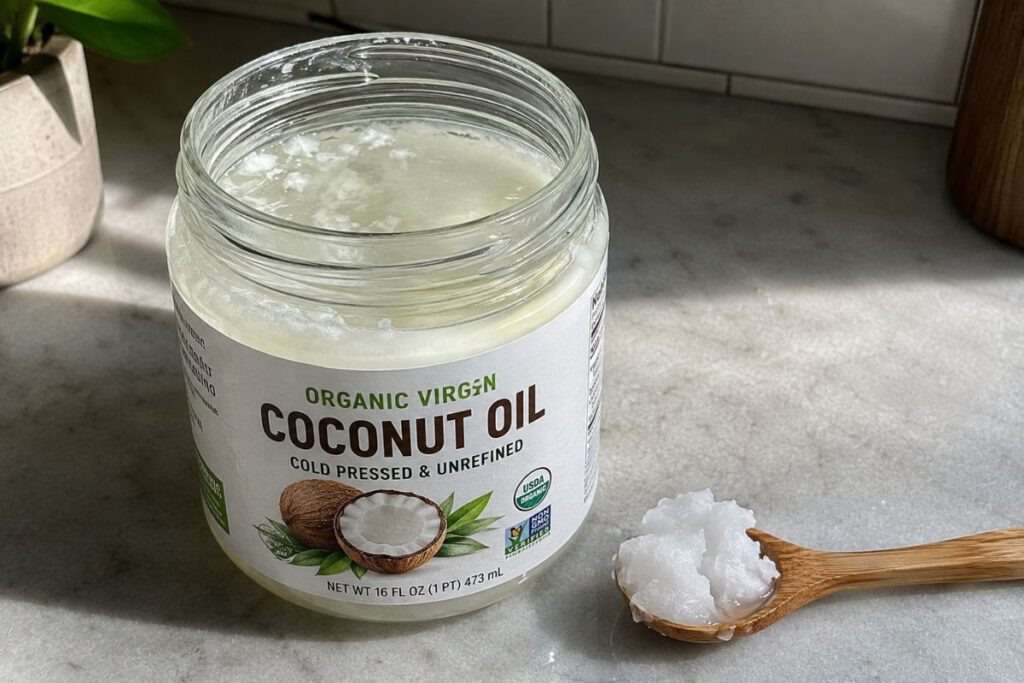
Coconut oil is defined as the fat pulled from the meat of mature coconuts. It is made mostly of medium chain fatty acids. The most important one is lauric acid. Coconut oil is solid at room temperature. It melts into a clear liquid once warmed. That is why most people rub it between their palms before applying it to hair.
Lauric acid makes up roughly half of coconut oil’s fatty acid content. Its small, straight shape lets it slide into the hair shaft more easily than heavier oils. Coconut oil also holds smaller amounts of vitamin E. This antioxidant helps protect the hair surface from everyday wear. Other fatty acids inside it, like capric and caprylic acid, add to its moisturizing effect.
Coconut oil comes in two main forms. Virgin coconut oil is pressed from fresh coconut meat without high heat or chemicals. It keeps more of its natural nutrients and a strong coconut scent. Refined coconut oil goes through bleaching and deodorizing. This strips some nutrients but also removes the smell. It also raises the smoke point, which makes it better for cooking than for hair care.
How Does Hair Actually Grow? The Science Behind It
Hair grows in a repeating cycle with three stages. This cycle explains why oils on the outside of your hair cannot speed up growth. Every hair on your head moves through this cycle on its own. That is why you never lose all your hair at once.
The first stage is anagen, the active growth phase. During anagen, the follicle makes new hair and the strand gets longer. This phase can last three to seven years, depending on your genes. This comes from a physiology review published by the National Institutes of Health. Your genes largely set the length of your anagen phase. That is why some people can grow hair past their waist. Others struggle to pass their shoulders no matter what products they use.
After anagen comes catagen. This is a short shift phase that lasts about two weeks. During catagen, the follicle shrinks and pulls away from its blood supply. Then hair enters telogen, a resting phase. Telogen lasts two to three months. The strand sits still before it finally sheds to make room for new hair. At any time, about 9 percent of your scalp hair sits in the telogen phase. That is completely normal.
Genetics also drive a separate process called androgenetic alopecia. This is the most common cause of pattern hair thinning in both men and women. It happens when hair follicles are genetically sensitive to a hormone called DHT. DHT slowly shrinks those follicles. It also shortens their growth phase over time. This comes from a 2026 review on hair follicle shrinkage published on PubMed Central. This is exactly why an oil on the outside of your hair cannot reach the source of genetic thinning. Coconut oil coats the visible strand above your scalp. DHT sensitivity works inside the follicle beneath the skin. These are two separate places. No topical oil can bridge that gap.
Benefits of Coconut Oil for Hair Growth
Coconut oil offers real, well proven benefits for hair health. None of them involve sparking new growth directly. These benefits explain why so many people still love it, even without growth specific evidence.
Lauric acid and protein loss reduction. Hair is built almost entirely from a protein called keratin. Daily habits like washing, brushing, and heat styling slowly strip that protein away. This leaves hair weaker and more likely to snap. Coconut oil can soak into the hair shaft, which helps slow this protein loss. This comes from a review on hair cosmetics published in the International Journal of Trichology. Less protein loss means fewer split ends and less overall breakage.
Shine, softness, and fewer split ends. Coconut oil smooths down the outer layer of each strand, called the cuticle. A smooth cuticle lets light bounce off the hair more evenly. That is what creates the glossy shine people notice right away. Smoother cuticles also snag less against each other. That means fewer split ends over time.
Heat and moisture protection. A small amount of coconut oil on damp hair can guard against something called hygral fatigue. This happens when hair soaks up too much water and swells. That swelling weakens the hair’s inner structure. Coconut oil’s oily layer slows how fast hair takes on water. That reduces this kind of swelling damage.
Hair regrowth after chemotherapy, what to ask your doctor first. Are you regrowing hair after chemotherapy? Talk with your oncologist or dermatologist before adding any new product to your scalp routine. Coconut oil has no chemotherapy specific research behind it. It only has its general ability to moisturize and reduce protein loss. Skin on a post chemo scalp can also be unusually sensitive. A patch test and your doctor’s approval matter more here than anywhere else in this guide. The National Cancer Institute keeps a page with current, accurate information on hair loss during cancer treatment.
Is Coconut Oil Good for Your Scalp?
Yes, coconut oil can genuinely help scalp health. Most of that help comes from its effect on the skin’s microbiome, not the hair follicle. A healthy scalp creates better conditions for the hair that is already growing, even if it does not spark new growth on its own.
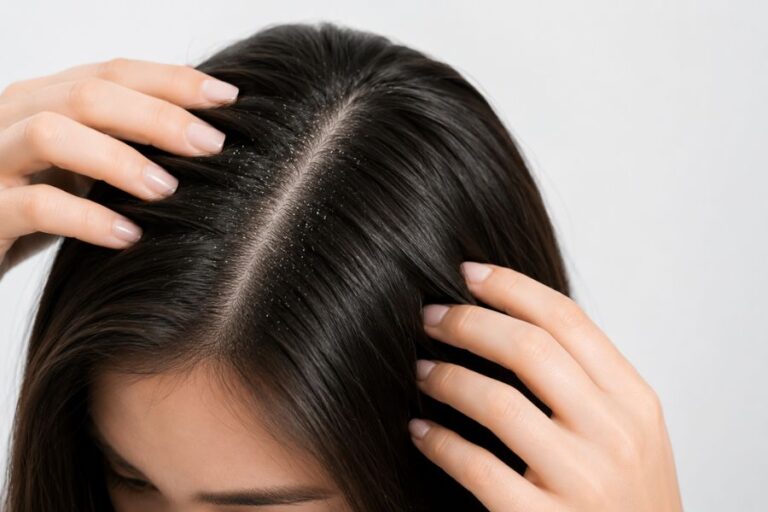
Fighting dandruff and fungal buildup. Coconut oil shows antifungal and antibacterial properties in lab tests. This can help calm the yeast overgrowth often linked to dandruff and flaking. Massaging a small amount into a dry, itchy scalp can bring real relief for some people.
Scalp microbiome balance. Your scalp holds a community of bacteria and other tiny organisms. Keeping that community balanced supports overall skin health. Research on PubMed Central found that oils like coconut oil can help even out this bacterial balance. This creates a calmer scalp environment. It does not actively grow new hair.
When scalp massage actually helps circulation. Massaging any oil into your scalp can briefly boost blood flow to the area. This includes coconut oil. Better blood flow brings more oxygen and nutrients to the follicle. That supports the hair already in its growth phase. Massage alone will not reverse genetic thinning, though.
Coconut Oil vs Biotin vs Minoxidil: What Actually Works?
Coconut oil, biotin, and minoxidil each target something different. Knowing that difference saves you time and money. Coconut oil works on the visible hair shaft. Biotin only helps if you are actually low on it. Minoxidil is the only one of the three with strong evidence for real regrowth at the follicle.
Biotin is a B vitamin used in keratin production. It has become a popular supplement marketed for hair growth. But a study of 541 women complaining of hair loss found something interesting. Only 38 percent had a true biotin deficiency. This comes from research published on PubMed Central. For most people whose biotin levels are already normal, taking more is unlikely to change hair growth in any meaningful way.
Minoxidil works differently. It is the only nonprescription treatment the FDA has approved specifically to regrow hair on the scalp. Its approved drug label says plainly that it is meant for hair regrowth in people with hereditary thinning. This comes from the FDA approved drug labeling on file with the agency. Minoxidil is thought to stretch out the anagen growth phase. It may also enlarge shrunken follicles. This directly targets the genetic process explained earlier in this guide, unlike coconut oil.
| Option | What It Targets | Evidence Level | How It’s Used | Time to See Results | Best For |
| Coconut oil | Hair shaft surface, protein loss | Strong for shaft protection, none for new growth | Applied to hair and scalp | Shine and softness within days | Dry, damaged, or dull hair |
| Biotin | Keratin production, if deficient | Strong only in confirmed deficiency | Oral supplement | Weeks to months, only if deficient | People with a diagnosed biotin deficiency |
| Minoxidil | Follicle size, growth phase length | FDA approved, strongest evidence | Applied directly to scalp twice daily | Typically 3 to 4 months | Genetic or pattern hair thinning |
| Castor oil | Hair shaft coating, similar to coconut oil | Limited, mostly anecdotal | Applied to hair and scalp | Similar timeline to coconut oil | Extra thick, dry textures |
Which Hair Types Benefit Most From Coconut Oil?
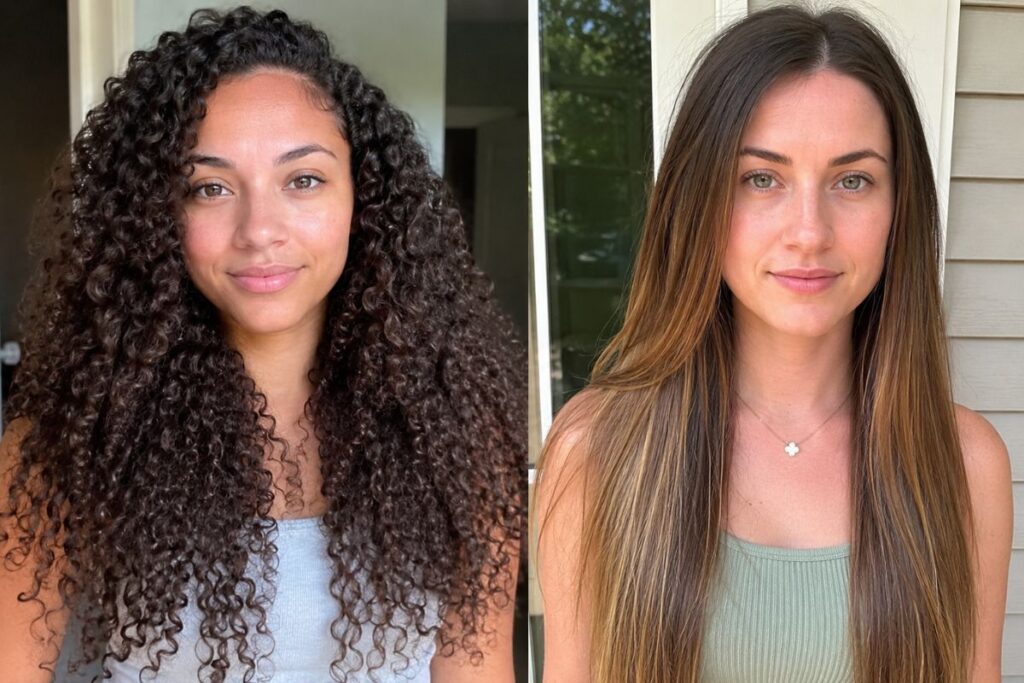
Almost every hair type can gain something from coconut oil. How much and how often you should use it depends heavily on your texture and porosity. Matching the amount to your hair type is what separates people who love coconut oil from people who end up with greasy roots.
Dry, curly, and coarse hair. This is where coconut oil helps the most. Coarse and curly strands tend to run drier. Oil from the scalp has a harder time traveling down a curved hair shaft. An added oil treatment fills that gap nicely.
Fine or oily hair. Is your hair fine, or does your scalp make oil quickly? Coconut oil can weigh your hair down and make it look greasy fast. Use it sparingly, just on the ends. Skip your scalp entirely if you already deal with oiliness.
Color treated and chemically processed hair. Bleached, permed, or relaxed hair tends to be more porous. It is also more prone to protein loss. That makes it a strong candidate for coconut oil’s protective effects. Watch for buildup, though. Porous hair can also hold onto oil more stubbornly during washing.
| Hair Type | Amount | Frequency |
| Dry, curly, or coarse | 1 to 2 tablespoons | 2 to 3 times per week |
| Fine or oily | A few drops on ends only | Once a week |
| Color treated or chemically processed | 1 tablespoon | Once or twice a week |
| Straight and normal | 1 teaspoon | Once a week |
What to Mix With Coconut Oil for Hair Growth
Can you mix rosemary oil with coconut oil for hair growth? Yes, mixing a few drops of rosemary essential oil into coconut oil is common and generally safe. Rosemary oil has shown some promising results for hair growth in small clinical comparisons. Diluting it in coconut oil also helps prevent the scalp irritation that rosemary oil can cause on its own.
Almond oil, castor oil, and coconut oil combined is another popular blend. People often reach for this mix when chasing extra thickness. Almond oil brings extra vitamin E and a lighter feel. Castor oil is thicker, and people often use it on eyebrows and lash lines as well as the scalp. Combining all three will not multiply their benefits, since none of them reaches the hair follicle directly. The blend can still feel more rich and moisturizing than any single oil alone.
Keep your ratios simple and safe for scalp use. A common starting mix is two tablespoons of coconut oil with three to five drops of rosemary essential oil. Another option is one tablespoon each of coconut, almond, and castor oil blended together. Always do a small patch test on your inner arm before trying a new oil blend on your scalp. Essential oils in particular can trigger reactions in sensitive skin.
How to Use Coconut Oil for Hair Growth and Thickness
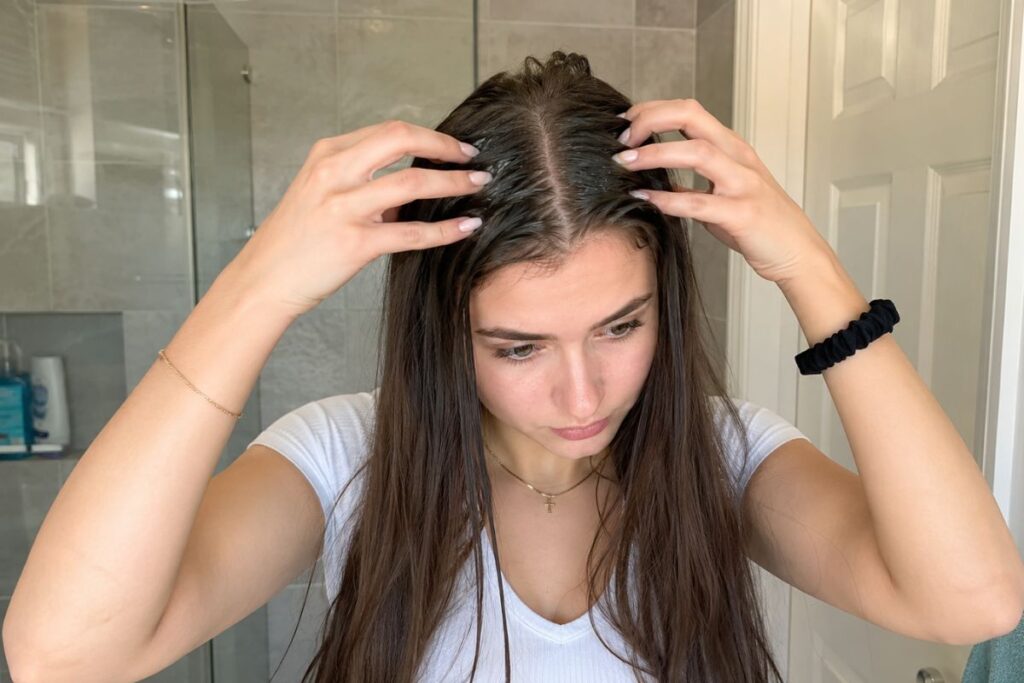
Using coconut oil the right way makes a real difference in how your hair responds. The process is simple enough to fit into any weekly routine.
Step 1: Warm the oil. Scoop a small amount of solid coconut oil into your palms. Rub them together until it melts into a clear liquid.
Step 2: Section your hair. Split damp or dry hair into two to four sections. This helps you apply the oil evenly instead of dumping it all in one spot.
Step 3: Apply from mid length to ends. Focus the oil on the driest parts of your hair. Only bring it close to your roots if your scalp is naturally dry.
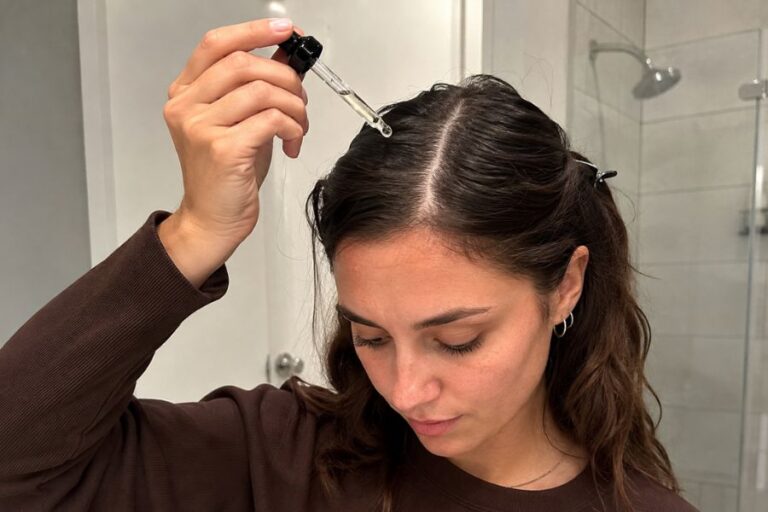
Step 4: Massage in gently. Want scalp benefits too? Use your fingertips to massage a small amount into your scalp. Move in circular motions for two to three minutes.
Step 5: Leave it on. Let the oil sit for at least thirty minutes. For a deeper treatment, leave it in overnight under a shower cap.
Step 6: Wash thoroughly. Shampoo your hair as usual. You may need to shampoo twice to fully remove the oil, especially after an overnight treatment.
How often you repeat this depends on your hair type. Check the table above. Most people land somewhere between once and three times a week.
Virgin coconut oil comes from fresh coconut meat with no high heat used. It keeps the most nutrients. Most people recommend it over refined versions for hair care. Common US drugstore brands like Parachute sell virgin coconut oil with this same basic profile. The guidance above applies just as well to a jar from your local grocery store as it does to a specialty beauty brand.
Can Coconut Oil Cause Hair Loss or Damage?
Coconut oil itself does not directly cause hair loss. Overusing it can create conditions that lead to breakage and shedding that looks like hair loss, though. Knowing the difference helps you avoid worry you do not need, or a product switch you do not need either.
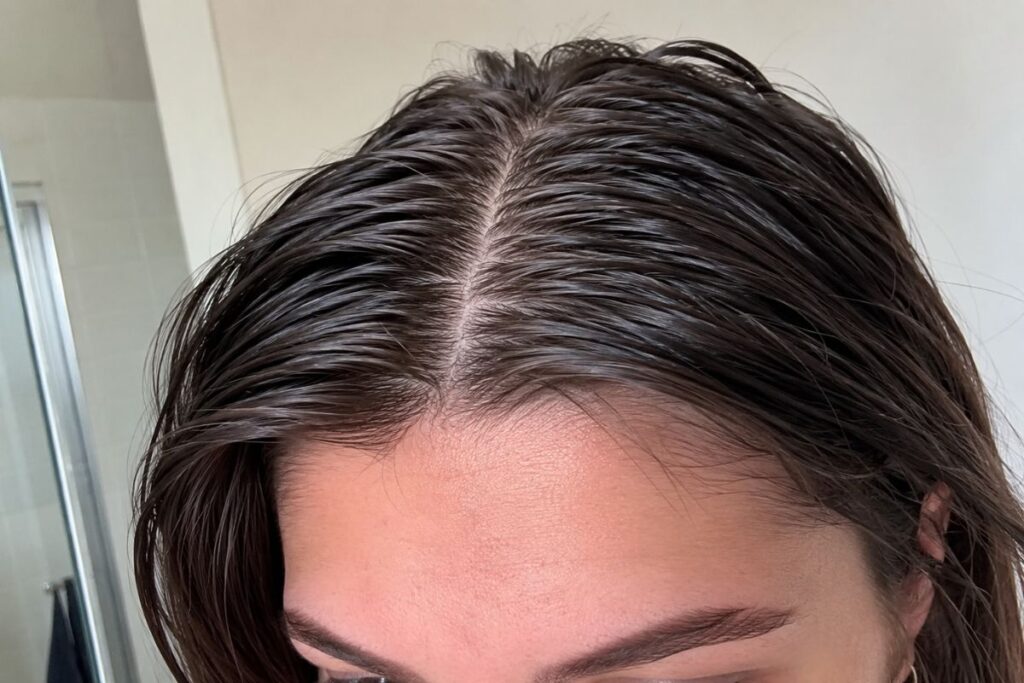
Buildup, clogged follicles, and protein overload. Using too much coconut oil too often can leave a residue on your scalp. This is especially true if you do not wash it out fully. That buildup can clog hair follicles and trap dirt against the scalp. Over time, this can lead to irritation, or even breakouts on the scalp itself. It works much like how heavy products can clog pores on facial skin.
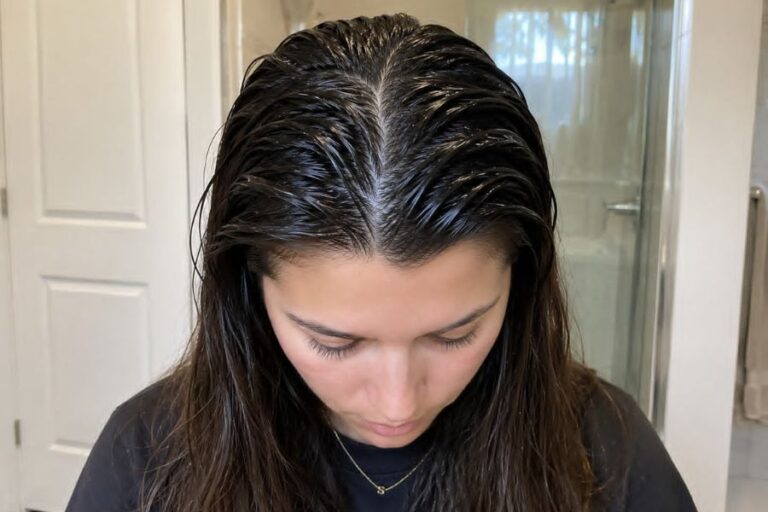
Signs you are using too much. Do your roots look greasy within a day of washing? Does your scalp feel sticky rather than clean? Do you notice more hair in your brush than usual? These are all signs to scale back. Switch to a clarifying shampoo for a wash or two if you see these signs. Then cut back on how often you use coconut oil before deciding it does not work for you.
It is also worth knowing that losing 50 to 100 hairs a day is completely normal. Coconut oil can sometimes make already loose hairs fall out more easily. The oil simply helps detangle strands that were ready to shed anyway. That is not new hair loss. It is just hair that was going to fall out no matter what product you used.
Frequently Asked Questions
Is coconut oil good for hair growth?
Coconut oil supports the health of hair you already have. It does not grow new hair. It reduces protein loss, adds shine, and can improve scalp health. All of this helps hair look fuller and longer. Think of it as a support tool, not a growth stimulant.
How long should you leave coconut oil in your hair?
Leave coconut oil in for at least thirty minutes for a basic treatment. For deeper conditioning, leave it in overnight. Shorter treatments of ten to fifteen minutes can still add shine. Longer treatment times generally let the oil cut down protein loss even more.
What is the best coconut oil for hair growth?
Virgin, unrefined coconut oil is best for hair care. It keeps more natural nutrients than refined versions. Common US brands like Parachute sell virgin coconut oil that fits this standard. Look for labels marked virgin or cold pressed, rather than simply refined coconut oil.
Does coconut oil work on the scalp or just the hair strands?
Coconut oil works on both, in different ways. On the hair shaft, it cuts protein loss and adds shine. On the scalp, it can help balance the skin’s microbiome and calm dandruff. Neither effect reaches the follicle itself to trigger new growth.
I’ve been putting coconut oil on my scalp every night for a month hoping it would help my thinning hair, but I feel like nothing has changed. Am I doing something wrong, or does it just not work for actual hair loss?
You are not doing anything wrong. Coconut oil has no proven effect on genetic or pattern hair thinning. That process happens inside the follicle, where topical oils cannot reach. If your thinning keeps going, talk with a dermatologist about options like minoxidil. Minoxidil has real evidence behind it for regrowth.
My hair is fine and gets oily fast, but everyone says coconut oil is great for hair growth. Will it actually help me or just make my roots look greasy?
For fine or oily hair, coconut oil is more likely to weigh your roots down than help. Apply it sparingly, just to your ends, never your scalp. Use it no more than once a week. That way you get the shine benefits without the greasy look.
Final Thoughts on Coconut Oil for Hair Growth
Coconut oil for hair growth is one of the most searched beauty topics for a simple reason. People want a natural, affordable answer to thinning or damaged hair. Coconut oil does deliver real benefits, just not the ones most people expect. It will not grow new hair from your follicles. It will protect the hair you already have from breaking off too soon.
Three things are worth remembering. Coconut oil reduces protein loss and adds shine, but genetics and DHT drive actual hair thinning far more than any oil can touch. Minoxidil remains the only over the counter option with strong evidence for real regrowth. And matching your coconut oil use to your specific hair type makes the biggest difference in how well it works for you. That might mean a generous weekly treatment for curly hair, or just a light touch for fine hair.
Curious about other natural ingredients for your hair routine? Explore more hair care guides on the blog to see what else might fit your hair type and goals.