Key Takeaways
- A hair glaze coats the hair surface with shine and sheer tone without damage.
- Results last one to six weeks depending on the formula and your wash habits.
- A standalone salon glaze in the US usually costs $30 to $100.
- A glaze cannot lighten hair or fully cover gray.
Your color looked perfect the day you left the salon. Three weeks later it looks flat, brassy, and tired. A hair glaze treatment is often the fix and it costs a fraction of a full color service.
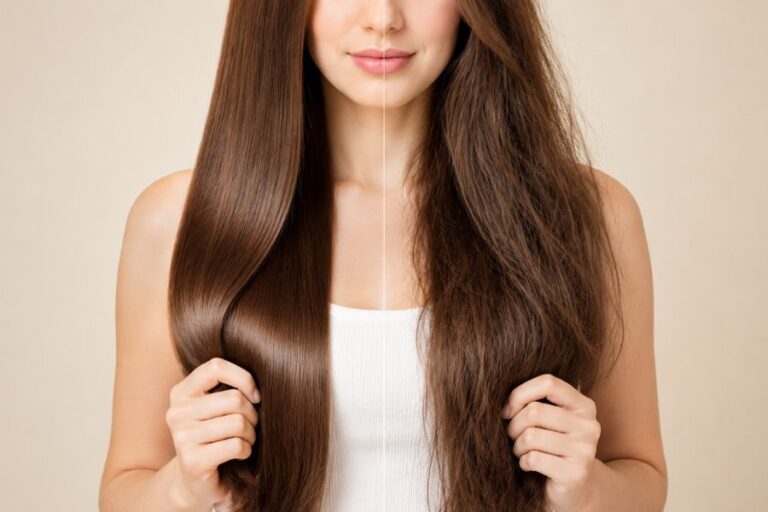
A hair glaze treatment is a semi permanent coating that adds shine and a sheer wash of tone to your hair. It contains no ammonia, no bleach and no strong developer, so it causes no damage. The glaze sits on the surface of each strand and washes out over one to six weeks.
This guide is for you if your blonde turns brassy, your color fades fast, your gray looks dull or your natural hair needs shine. You will learn how a glaze works and how it differs from a gloss. You will also see what it costs in the US and how to keep the results longer.
What Is a Hair Glaze Treatment?
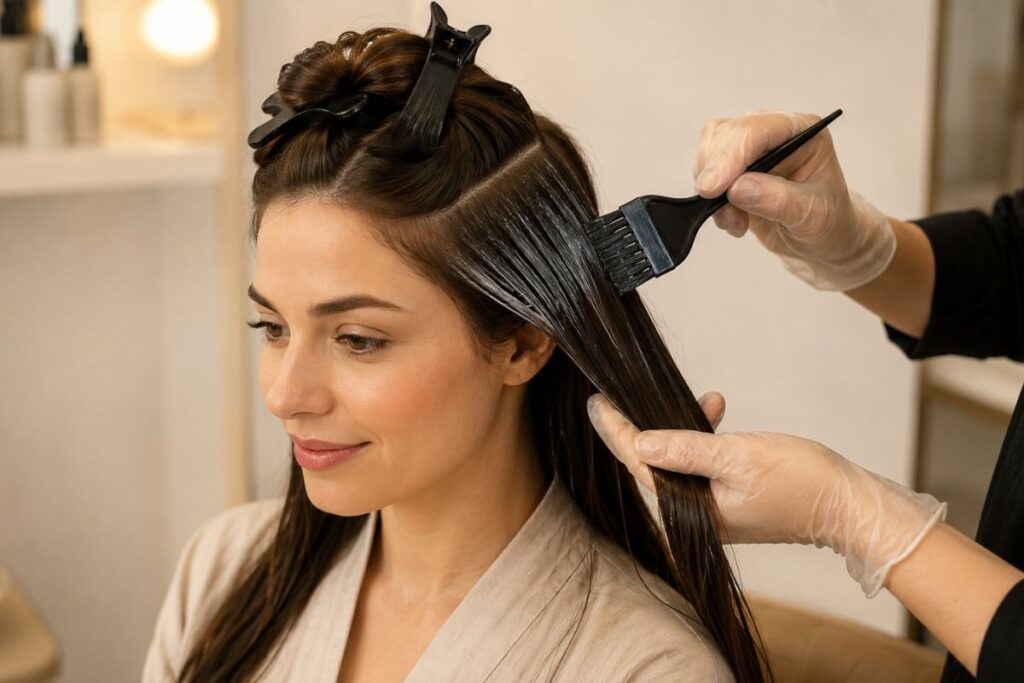
A hair glaze treatment is defined as a semi permanent coating that adds shine to the hair. Tinted versions also add a translucent layer of color. It uses no ammonia and no peroxide lift. Think of it as a clear top coat for your hair, the same way a top coat seals a manicure.
Glazes come in two versions. A clear hair glaze adds pure shine and works on any color, including hair you have never dyed. A tinted glaze adds a sheer wash of tone on top of your current shade. They act as clear shine boosters, or they shift your tone by a shade or two.
How Does a Hair Glaze Work?
A hair glaze works by smoothing the cuticle. The cuticle is the outer layer of your hair, and light bounces off it evenly once it lies flat. Your cuticle is made of tiny overlapping scales, like shingles on a roof. When those scales lift from heat, sun, or coloring, light scatters and hair looks dull. A glaze fills the gaps and lays everything flat, which creates that glassy shine, according to Dias, International Journal of Trichology.
Most glaze formulas skip developer entirely. They rely on conditioning ingredients like ceramides, gentle acids that seal the cuticle, and direct dyes in tinted versions, according to Dias, International Journal of Trichology. Deposit only products sit among the gentlest color cosmetics on the market. Nothing in them forces the cuticle open.
The appointment is quick. Your stylist applies glaze to clean, damp hair, lets it sit for 5 to 20 minutes, then rinses and styles. Plan on 30 to 45 minutes total.
Hair Glaze vs Gloss vs Toner: What Is the Difference?
The main difference is depth. A glaze coats the outside of the hair. A hair gloss goes one step further and uses a low volume developer to slip a little color just inside the cuticle. That tiny difference explains why a gloss lasts longer than a glaze.
Redken celebrity colorist Tracey Cunningham has explained that demi permanent glosses fade gradually over several weeks. That slow fade makes them a low commitment way to test a shade. So where does toner fit? Toner describes the job, not the product. When your colorist tones highlights after balayage, she may use a glaze or a gloss to do it. Salons mix all three words freely. So ask what the product does to your cuticle instead of trusting the label.
| Feature | Hair Glaze | Hair Gloss | Toner | Demi Permanent Color |
| How it works | Coats the surface | Deposits just inside the cuticle | A glaze or gloss used to adjust tone | Opens cuticle slightly with low developer |
| Developer | None | Low volume | Depends on product | Low volume |
| Can it lighten hair | No | No | No | No |
| Damage level | None | Minimal | None to minimal | Minimal |
| Typical duration | 1 to 3 weeks | 4 to 8 weeks | 4 to 6 weeks | 6 to 8 weeks |
| Best for | Shine, quick refresh | Toning, richer color change | Fixing brass after lightening | Gray blending, deeper shifts |
| Typical US price | $30 to $100 | $50 to $150 | $40 to $120 | $60 to $150 |
What Are the Benefits of a Hair Glaze?
The biggest benefit of a hair glaze is instant shine with zero damage. A smooth, sealed cuticle also tangles less and frizzes less. Many women book a clear glaze right before a big event for exactly this reason.
Brass control comes next. Blonde and highlighted hair drifts warm over time due to the sun, heat tools, and minerals in your shower water. A cool tinted glaze cancels that yellow or orange cast in one short appointment.
A glaze also protects the color you already paid for. The coating acts like a shield over your permanent shade, so it fades slower between full appointments. One quick glaze at the halfway point can stretch a balayage from looking good for six weeks to twelve.
Which Hair Types Benefit Most From a Glaze?
Almost every hair type gains something from a glaze. The payoff just differs by texture and porosity. Blonde, highlighted, and balayage hair benefits most from glazes, which fight brass and revive dimension. Fine hair loves glazes too, since the formula adds shine without the weight of heavy masks. Virgin hair is a hidden winner. A clear glaze makes your natural shade look richer without changing it at all.
Curly, coily, and high porosity hair needs a little more thought. High porosity strands drink up product fast, so a glaze can smooth the cuticle and cut frizz beautifully. Ask for a lightweight formula and apply less near the roots. Skip any flat iron step so your curl pattern and volume survive.
Does a Hair Glaze Work on Gray Hair?
Yes, a hair glaze works on gray hair, but it enhances gray rather than covering it. Gray and silver strands reflect less light than pigmented hair, so gray often looks dull even when it is healthy. A clear glaze kills the yellow cast and adds a polished, silvery sheen.
Glazes also help with gray blending, which is different from gray coverage. A tinted glaze softens the line between your gray strands and your colored ones, so the grow out looks intentional. Only permanent color covers gray completely.
One more honest note. Resistant gray hair has a coarser, tighter cuticle, so glaze pigment can grab unevenly. Your stylist may extend the processing time, and you should expect a softer result on stubborn silver strands.
How Long Does a Hair Glaze Last?
A hair glaze lasts one to six weeks, and the exact number depends on which product your salon actually used. You will see sources claiming one to two weeks, and others claiming up to six. Both are right. A true surface glaze with no developer fades within 1 to 3 weeks. Many salons sell a demi permanent gloss under the name glaze, and those formulas hold on for four to six weeks. Same word, different chemistry, different lifespan.
Your habits control the rest. Every shampoo removes a thin layer of the coating. Hard water, hot tools, chlorine, and strong sun all speed up the fade too. The American Academy of Dermatology notes that washing frequency should match how oily your scalp gets Daily washers see the fastest fade.
Can You Do a Hair Glaze at Home?
Yes, you can do a hair glaze at home in under 30 minutes, and the results come close to a basic salon glaze. Clear formulas are nearly foolproof. Tinted formulas need more care, because the wrong tone can push your color muddy or ashy.
Follow these steps for an even at home result:
Step 1: Wash with a clarifying shampoo. This strips buildup so the glaze bonds evenly.
Step 2: Towel dry until damp. Glaze spreads best on damp hair, not soaked hair.
Step 3: Apply in thin layers. Work section by section from mid lengths to ends first.
Step 4: Wait the full time on the label. Most products need 10 to 30 minutes.
Step 5: Rinse with cool water. Cool water seals the cuticle and locks in shine.
Choose the salon when you want a custom mixed tone or when a past box dye job went wrong. The most common at home mistakes are simple ones. People pick a shade too dark, skip the clarifying wash, or apply tinted glaze straight onto the roots, where it deposits darkest.
How Do You Make a Hair Glaze Last Longer?
You make a hair glaze last longer by washing less often and protecting the coating from heat. Every wash and every hot tool session thins the glaze, so small habit changes buy you extra weeks.
Switch to a sulfate free shampoo, since sulfates strip the coating faster than gentle cleansers. Stretch washes to every two or three days if your scalp allows it. Rinse with cool water, and always use a heat protectant before hot tools. The American Academy of Dermatology also warns that high heat damages the hair surface itself [Source: American Academy of Dermatology]. That undoes the exact smoothing you paid for.
When Is a Glaze the Wrong Choice?
A glaze is the wrong choice when you want lighter hair, full gray coverage, or repair for badly damaged strands. No glaze contains bleach, so it cannot lift your shade even one level. Deep chemical damage requires a bond repair treatment and a trim, not a coating.
Results can also go sideways. If your tinted glaze came out too dark, wash your hair with a clarifying shampoo for a few days. The color will lift fast, since nothing anchors it inside the hair. Patchy results usually trace back to product buildup before application. A glaze that vanished in a week was probably a true surface formula on daily washed hair. Choose a demi gloss next time.
Frequently Asked Questions
What does a hair glaze do to your hair?
A hair glaze coats each strand with shine and, in tinted versions, a sheer layer of tone. It smooths the cuticle so hair reflects light, tames frizz, and refreshes faded color. A glaze contains no ammonia or bleach, so it improves how your hair looks without damage.
How much does a hair glaze cost?
A standalone hair glaze costs $30 to $100 at most US salons in 2026, and about $75 is typical. Adding a glaze to another color service often cuts that price in half. At home glaze products cost $15 to $25 and deliver a lighter version of the salon result.
Does a hair glaze damage your hair?
No, a hair glaze does not damage your hair. Glazes contain no ammonia, no bleach, and little to no developer, so the cuticle never gets forced open. The coating actually smooths rough spots on the hair surface, which makes damaged hair look and feel healthier.
Will a glaze fix my brassy highlights between salon visits, or does it wash out too fast to matter?
A glaze genuinely fixes brassy highlights between visits. A cool toned glaze neutralizes yellow and orange in one 30 minute session and holds for several weeks with sulfate free care. Book it at the halfway point between highlight appointments and your blonde stays clean the whole stretch.
Is a clear glaze worth it on curly hair that is not color treated, or will it weigh curls down?
A clear glaze is worth it on natural curly hair. It seals the cuticle, cuts frizz, and boosts shine without changing your color. Choose a lightweight formula, keep product away from the roots, and skip any flat iron step so your curl pattern stays intact.
Final Thoughts on Hair Glaze Treatments
A hair glaze treatment earns its spot in your routine for three simple reasons. It delivers real shine with zero damage. It rescues brassy or faded color for a fraction of full service prices. And it fits any hair, from fresh balayage to silver strands to curls you have never dyed.
Quick Summary
- A glaze coats the hair surface; a gloss deposits slightly deeper; neither lightens hair.
- Expect one to six weeks of results and $30 to $100 at US salons in 2026.
- Sulfate free shampoo, cooler water, and less heat stretch your results the furthest.
Ready to plan the color under your glaze? Explore more hair color guides on HairStyleFreek, from toning brassy blonde to picking a shade for your skin tone.