✔ Key Takeaways
- Henna can genuinely strengthen and add shine to hair. The results depend heavily on your hair porosity.
- Henna coats your hair permanently. That same coating is behind both its benefits and its drawbacks.
- Fine, low density hair usually loves henna. Medium to low porosity hair often ends up dry and brittle.
- Black henna carries a real allergy risk from an added chemical called PPD.
- Henna can make future salon color much harder. It resists both lightening and color changes.
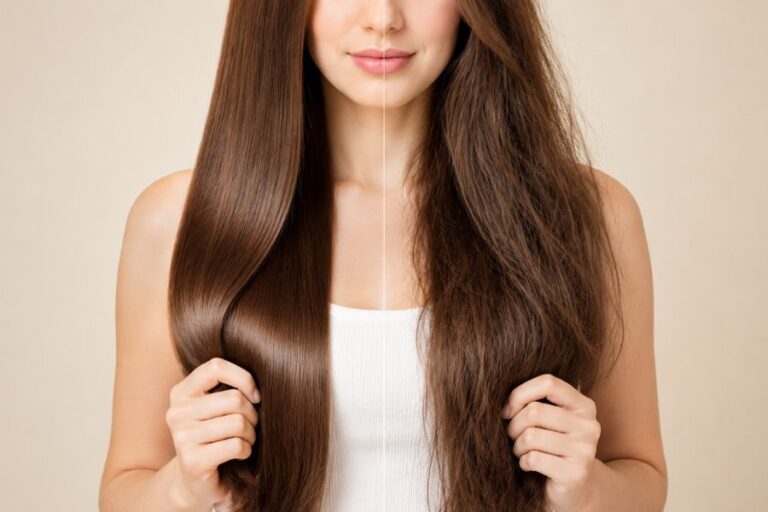
Is henna good for your hair? It can be. But the honest answer depends on your hair porosity and what you want long term. Henna genuinely strengthens fine hair. It adds real shine for many women. For other hair types, the same coating effect leaves hair dry and stiff.
Here is the part nobody explains clearly. Some natural hair bloggers henna every month for years. They swear by the results. Licensed cosmetologists tell their clients to avoid it completely. Both groups are telling the truth. They are just talking about different hair types.
This guide breaks it all down. You will learn why henna works differently on different hair. You will learn the real risks with black henna. You will learn how henna affects your ability to color your hair later. You will also get a simple recipe if you decide to try it. By the end you will know exactly where you stand.
Is Henna Good for Your Hair?
Henna can genuinely benefit your hair. But the results depend heavily on your hair type. Fine hair often looks thicker and shinier. Already dry or brittle hair can end up drier still.
Why You Get Such Conflicting Advice About Henna
You have probably noticed the internet cannot agree on henna. One blogger has hennaed monthly since 2006 with beautiful results. A licensed cosmetologist somewhere else warns clients away from it entirely. Neither one is wrong. Henna coats and permanently stains the hair shaft.
On fine or thinning hair, that coating adds welcome body and shine. On hair that already struggles to hold moisture, the same coating blocks water from getting in.
What Is Henna and How Does It Actually Work on Hair?
Henna is a dye made from the plant Lawsonia inermis. Its active ingredient permanently changes the color and texture of your hair.
The Plant and the Dye Molecule
Henna comes from the leaves of the Lawsonia inermis plant. The leaves get dried and ground into a fine powder. Inside that powder sits a molecule called lawsone.
Lawsone binds permanently to the keratin protein in your hair through a chemical process called Michael addition according to a 2026 study published in the International Journal of Cosmetic Science by Dallmann and colleagues. This is why henna produces a lasting red or reddish orange stain. Regular dye washes out slowly over time. Henna does not.
Why Henna Coats Rather Than Penetrates Like Chemical Dye
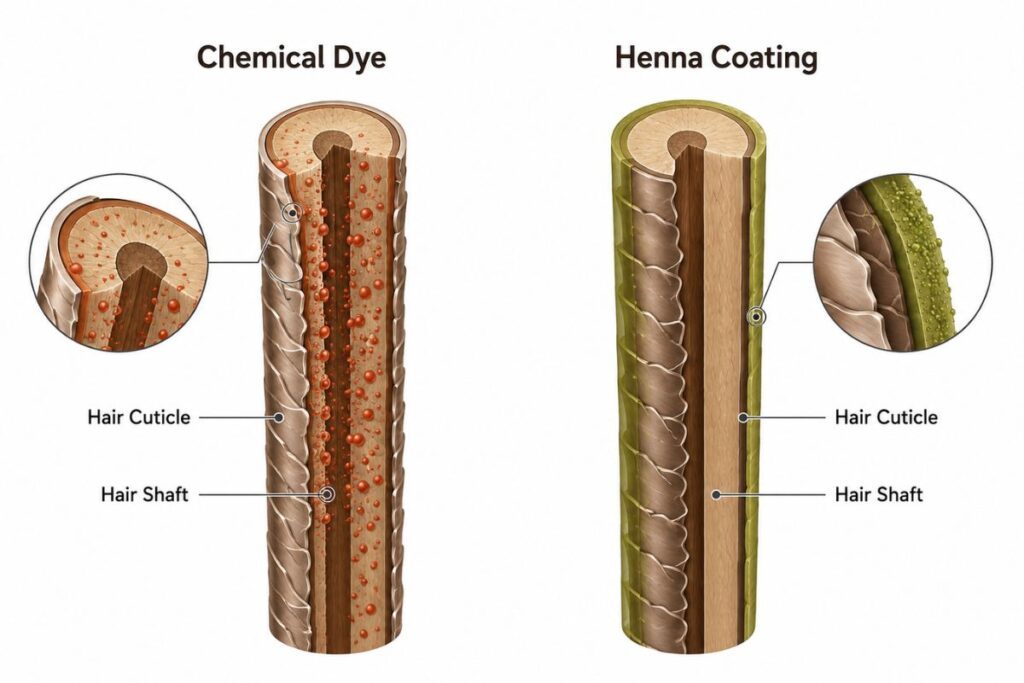
Regular hair dye works by opening the hair cuticle. It deposits color inside the hair shaft. Henna works differently. It coats the outside of each strand. It binds there permanently. This coating is exactly what makes hair feel thicker and look shinier. It is also exactly what can make water and conditioner struggle to soak in afterward.
The Real Benefits of Henna for Hair
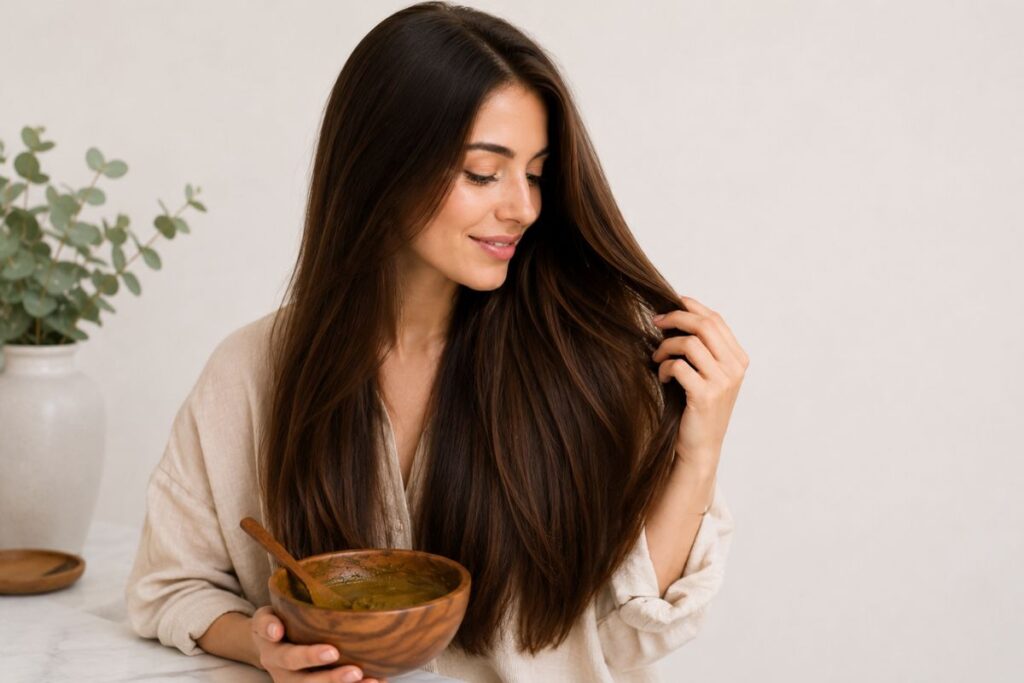
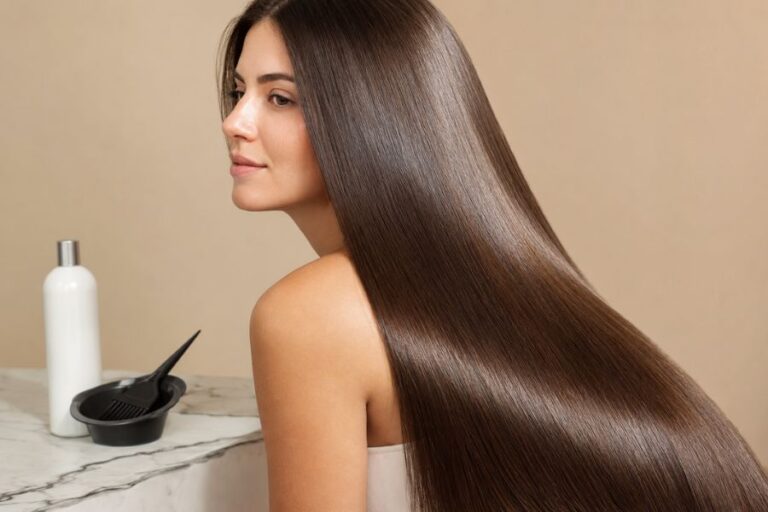
Is henna good for your hair? For many women, yes, and here is exactly why. Henna offers real, noticeable benefits for many hair types. This is especially true for fine or thinning hair.
Strength, Shine, and Reduced Breakage
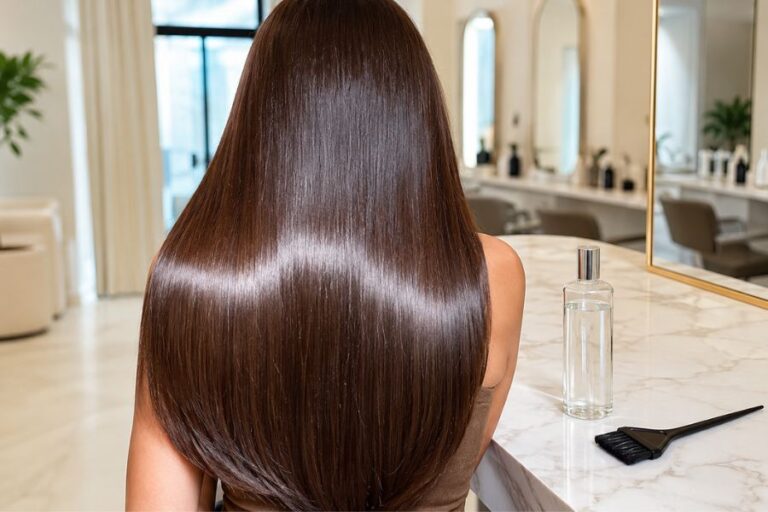
Henna coats each strand with a protective layer. This layer adds real strength to fine or fragile hair. Many longtime henna users report noticeably less breakage. They also notice fewer split ends once they add henna to their routine regularly.
Added Thickness and Body for Fine Hair
If your strands are naturally thin or fine, henna’s coating effect can make a real visual difference. Hair often looks and feels thicker after a treatment. This is one of the most consistently reported henna benefits among natural hair bloggers and forum communities alike.
Scalp and Dandruff Benefits Some Users Report
Some people notice their scalp feels calmer and less flaky after regular henna use. This benefit is less consistently documented than the strength and shine effects. Treat it as a possible bonus rather than henna’s main selling point.
The Real Downsides of Henna Nobody Warns You About
Henna carries genuine downsides. This is especially true for certain hair types. Many henna focused sources gloss over these downsides completely.
Dryness and Brittleness on Medium to Low Porosity Hair
Many licensed cosmetologists do not recommend henna. They point to its tendency to behave like a molecular brick sitting on the hair shaft. For hair that already has medium to low porosity, this coating effect commonly leads to dry, brittle strands. This is the single most common complaint from women who tried henna and regretted it.
Buildup That Blocks Water and Product Absorption
Henna coats the hair shaft in a way that can interfere with water and conditioner soaking in properly. Over time and repeated applications, this buildup gets more pronounced. If your hair already struggles to absorb moisture, henna can make that struggle worse rather than better.
The Curl Loosening Effect, and Who It Affects Most
Henna’s coating adds weight to each strand. This can loosen the curl pattern over time. Natural hair bloggers and online hair communities widely report that this effect shows up more on looser S shaped waves and curls than on tighter O shaped coils, though this pattern has not been confirmed by independent scientific study.
Treat it as commonly observed anecdotal experience rather than settled science. Your curl pattern will not permanently change shape. But looser curls may stretch out and show reduced bounce after repeated henna treatments.
Is Henna Good for Your Hair Type? A Porosity Based Guide
Whether henna is good for your hair type comes down almost entirely to your hair’s porosity. Here is how each type typically responds.
Fine, Low Density Hair: Why Henna Often Works Beautifully Here
Fine, low density strands tend to benefit the most from henna’s coating and thickening effect. The added bulk from the coating gives thin hair a fuller, healthier looking appearance. You do not need extreme buildup to notice the difference.
Medium to Low Porosity Hair: Why Dryness Is More Likely
Medium to low porosity hair already has a tightly packed cuticle. This cuticle resists moisture on its own. Adding henna’s coating on top of that tight cuticle often traps hair in a cycle of dryness. If this describes your hair, proceed carefully. Pair henna with extra deep conditioning.
High Porosity and Already Damaged Hair: Extra Precautions
High porosity or chemically damaged hair has a compromised cuticle. That cuticle lets moisture escape quickly. Henna can offer real strengthening benefits here. But combining henna with bleached or severely damaged hair increases the risk of unpredictable results. A strand test before a full application is genuinely worth the extra step.
Pure Henna vs Black Henna vs Compound Henna: What’s Actually Safe
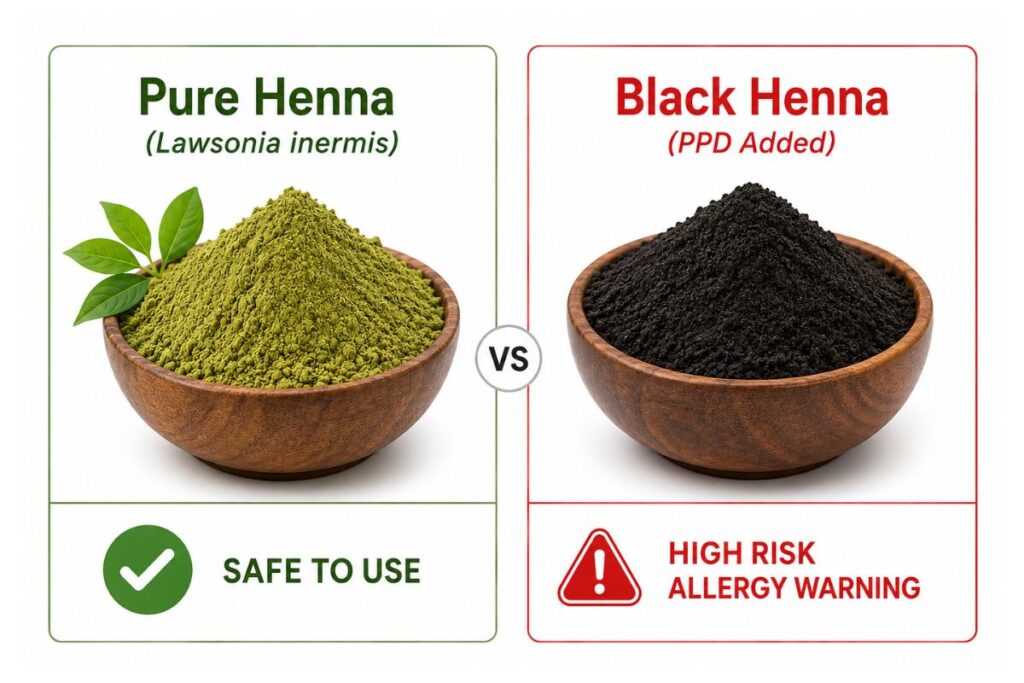
Not all henna sold today is the same. The differences matter for your safety.
Body Art Quality Henna: What It Actually Means
Body art quality henna, often labeled BAQ, contains no added dyes or chemicals beyond the pure ground plant. This is the safest and most predictable form of henna. It is the form most experienced natural hair users specifically seek out.
Black Henna and the Real PPD Allergy Risk
Any henna claiming to lighten hair or produce a jet black color is not pure henna. These products often contain paraphenylenediamine, commonly known as PPD. This same chemical is also found in many synthetic hair dyes.
PPD is a well known strong allergen used in dark permanent hair dyes and is also a common adulterant in black henna tattoos, according to the National Institutes of Health. This research confirms PPD can trigger allergic contact dermatitis after as few as two exposures. Reactions can include blistering and lasting skin sensitization in some users.
How to Verify Quality Before You Buy
Check the ingredient list before purchasing any henna product. Pure henna should list only Lawsonia inermis leaf powder. Sometimes natural additives like indigo or cassia are listed too. If a product promises unusual colors like black or blonde, treat that as a warning sign rather than a convenience.
Henna vs Hair Color: What Changes for Future Color Services
Henna and regular chemical hair color behave very differently. This matters once you want to change your color again.
Why Henna Makes Color Correction Difficult
Henna’s permanent staining action resists both lightening and color changing treatments. If you want to go significantly lighter later, henna already sitting on your hair shaft makes that process far less predictable.
Can You Bleach or Lighten Hennaed Hair?
Bleaching henna hair is one of the riskiest color services you can attempt, since the results are genuinely hard to predict. The interaction between bleach and the lawsone dye already bonded to your hair can produce unexpected colors. These include green or orange tones. Most experienced colorists recommend growing out or trimming away hennaed length before attempting a dramatic lightening service.
What to Tell Your Colorist If You Have Used Henna Before
Putting hair dye on henna colored hair without disclosing your history is exactly what leads to those unpredictable color results colorists warn about. Always disclose henna use to your colorist before any chemical color service. Do this even if your last henna treatment was months ago. This single piece of information changes how a colorist approaches your formula and timing.
| Feature | Henna | Regular Chemical Hair Color | Color Correction Difficulty | Best For |
| Color Permanence | Permanent, fades very slowly | Permanent until grown out or re-dyed | Henna is harder to correct | Henna for gradual, natural color |
| Hair Penetration Method | Coats the outside of the hair shaft | Penetrates into the hair shaft | Chemical dye is more predictable | Chemical dye for precise color goals |
| Gray Coverage | Requires multiple applications | Usually covers gray in one session | Chemical dye is faster | Chemical dye for quick full coverage |
| Future Color Flexibility | Limited, resists lightening | High, can be changed more easily | Henna significantly limits future options | Chemical dye for those who change color often |
| Damage Profile | Coats and strengthens, can dry out low porosity hair | Can weaken hair structurally, especially with bleach | Depends on hair type and porosity | Henna for fine hair, chemical dye for controlled processing |
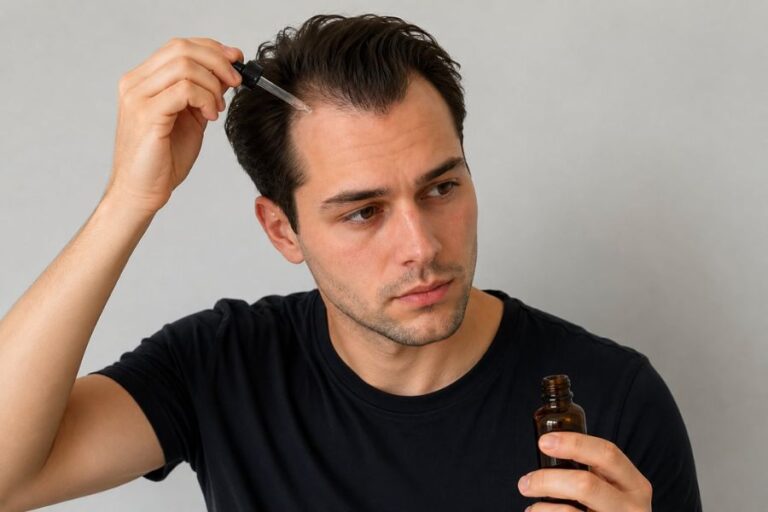
Is Henna Good for Hair Growth or Hair Loss?
Henna is not a proven treatment for hair growth or hair loss. But it may indirectly help hair appear longer by reducing breakage.
What the Growth Claims Actually Mean
Many henna users report their hair seems to grow faster with regular use. The more likely explanation is reduced breakage. This is not an actual increase in growth rate at the follicle. When your ends stop snapping off, you simply keep more of the length you were already growing.
Is There Any Real Evidence for Hair Loss Specifically?
Henna is not a treatment for medical hair loss conditions like androgenic alopecia or telogen effluvium, according to the American Academy of Dermatology’s overview of hair loss types. If you are experiencing genuine hair loss rather than breakage, henna will not address the underlying cause. A dermatologist visit is a better next step than a henna treatment.
How to Prepare and Use Henna for Hair at Home?
Preparing henna correctly at home makes a real difference in your results.
Basic Henna Recipe and Mix In Options
A basic henna mix starts with pure henna powder. Add a mildly acidic liquid, most commonly brewed tea, to help release the dye. Adding a small amount of amla powder to your mix can reduce the curl loosening effect. This helps those who want to preserve their natural curl pattern. Adding brewed coffee instead of plain water deepens the resulting color toward a richer brown tone. This is a popular mix for women wanting less red and more warmth in their final shade.
Step by Step Application Process
Dying hair with henna at home is simple once you understand the basic process.
Step 1: Mix your henna powder with your chosen liquid until it forms a smooth, yogurt like paste.
Step 2: Let the mixture sit covered for several hours, or overnight. This allows the dye to fully release.
Step 3: Section clean, dry, detangled hair before application.
Step 4: Apply the paste generously from root to tip. Work in small sections for even coverage.
Step 5: Cover your hair with a plastic cap. This keeps the paste from drying out too quickly.
Step 6: Leave the treatment in for the full processing time. Then rinse thoroughly with water only.
How Long Henna Takes to Dry and Process?
Henna typically needs three to eight hours on the hair to fully develop. The exact time depends on how deep you want the resulting color. Shorter processing times produce a lighter tint. Longer processing times, especially with added heat from a cap, produce a deeper, more saturated result.
Henna Gloss: A Lower Commitment Option
If a full strength henna treatment feels too intense, a henna gloss offers a gentler alternative. Mix a smaller amount of henna powder into your regular conditioner. This creates a treatment that adds a subtle tint along with real conditioning benefits. You skip the heavier commitment of a full strength application.
Henna for Gray Hair Coverage
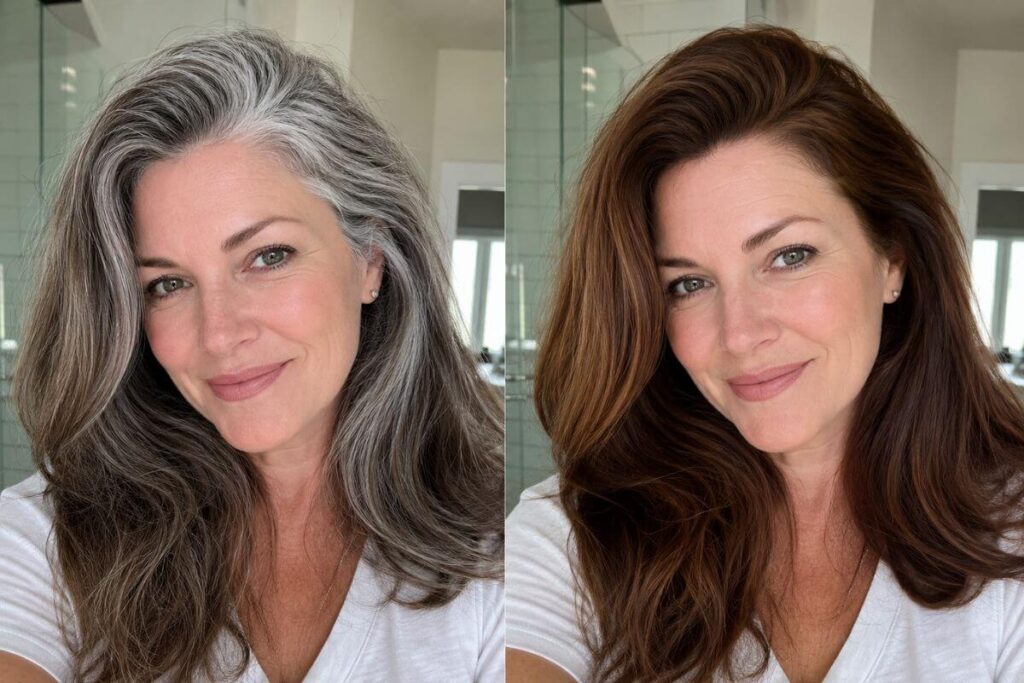
Henna can cover gray hair. But it typically needs more patience than chemical dye.
Why Gray Hair Needs Multiple Applications
Gray strands often resist henna’s dye more than pigmented hair does. Most women with significant gray coverage need several applications before their grays reach the depth of color they want. Each subsequent treatment tends to build on the last. This gradually deepens the result.
Using Indigo After Henna for a Darker Result Instead of Red
Do you want to cover gray without the reddish tone henna produces on its own? Applying indigo after your henna treatment shifts the final color toward brown or black. This two step process is a well documented method among longtime henna users seeking gray coverage without an obvious red tint.
Frequently Asked Questions
Does henna make hair grow faster?
Henna does not speed up hair growth at the follicle. It can reduce breakage, which means less hair falls off at the ends. That reduced breakage often gets mistaken for faster growth. Really, you are simply keeping more length.
Is black henna safe for hair?
Black henna is not the same as pure henna. Most dermatologists do not consider it safe. It often contains a chemical called PPD, which has been linked to serious allergic reactions including blistering and permanent skin sensitization.
Can you dye henna hair with regular hair dye?
You can dye over henna treated hair, but results are unpredictable. This is especially true with bleach or lightening treatments. Henna’s permanent stain resists color changes. Always tell your colorist about any past henna use before a color service.
How often should you henna your hair?
Most experienced henna users treat their hair once a month. Fine or already dry hair may benefit from spacing treatments out further. Those seeking deeper color or gray coverage sometimes treat more frequently during the first few applications.
Does henna dry out your hair?
Henna can dry out hair, particularly if you already have medium to low porosity hair. The coating that gives henna its strengthening benefit is the same coating that can block moisture from properly absorbing into the hair shaft.
I have really fine, low porosity hair and I keep hearing mixed things about henna, some people say it strengthens hair and others say it makes it dry and brittle. Which is true for my hair type?
Is henna good for your hair if it is fine and low porosity? Generally yes. Fine hair generally does well with henna since the coating adds welcome thickness and shine. Low porosity hair is more likely to experience dryness from that same coating. Test a small section first. Follow with deep conditioning to see how your specific hair responds.
I want to try henna for the gray coverage and strengthening benefits, but I am worried it will make it impossible to ever go back to salon color if I change my mind later. Is that true?
Henna does make future color changes more difficult, especially significant lightening. It does not make color impossible. Most colorists recommend growing out or trimming away hennaed length before a dramatic color change. Discuss your henna history honestly with your colorist beforehand.
Conclusion
Is henna good for your hair? The honest answer is that it depends entirely on your hair type. Henna genuinely strengthens and adds shine to fine, low density hair. That same coating effect can leave medium to low porosity hair dry and brittle.
Three things to remember. First, match henna to your specific porosity rather than following someone else’s routine blindly. Second, always choose pure, body art quality henna and avoid anything labeled black henna. Third, disclose any henna use to your colorist before attempting a dramatic color change later.
Explore more hair color guides on HairStyleFreek to find the right approach for your specific hair type and color goals.