
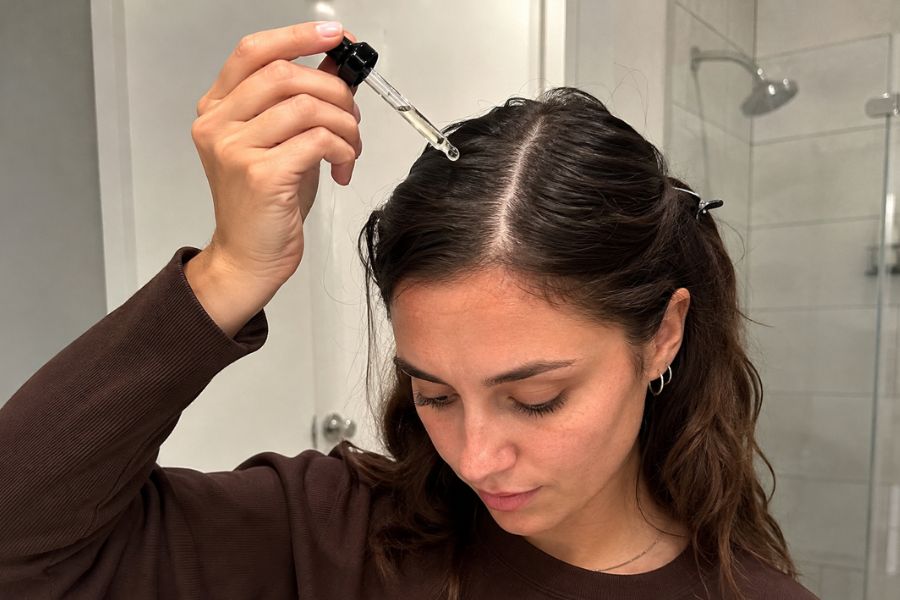
How to moisturize scalp starts with restoring the skin’s natural moisture and barrier function. This means gentle cleansing, targeted hydration, and consistent care. It is not about one quick fix. If your scalp feels tight, flaky, or itchy, you are dealing with a real skin issue. It is not just a bad hair day.
This guide is for anyone who wants a real routine. You do not need a random list of tips. You will learn why your scalp gets dry in the first place. You will get a step by step moisturizing routine in the right order. You will also learn how to tell a dry scalp apart from dandruff. And you will learn how your hair type changes the approach.
✔ Key Takeaways
- Moisturizing your scalp means restoring its natural moisture and barrier function. It takes more than a shampoo swap.
- A tight, flaky, or itchy scalp usually means the skin barrier needs help. It is not just about the hair.
- Dry scalp and dandruff look similar. But they need different treatments, and mixing them up often makes things worse.
- A simple four step routine works better than random products used in no particular order.
- Curly, coily, straight, and color treated hair all need slightly different scalp care.
How to Moisturize Scalp?
Moisturizing your scalp starts with gently cleansing it first. Then you remove buildup. Then you apply a targeted treatment. This restores moisture without clogging the skin. The goal is a healthy barrier, not just a shiny surface.
Order matters here. Applying oil to a scalp covered in product buildup traps that buildup beneath the oil. Cleansing first lets any treatment actually reach the skin. It stops the treatment from sitting on top of old residue instead.
Real results take time. Most people notice less tightness within one to two weeks. They also see fewer flakes in that time, if the routine stays consistent. Full barrier repair takes longer. This is especially true after months of harsh products or hot showers. It can take four to six weeks.
What Causes a Dry Scalp
A dry scalp happens when the skin loses moisture faster than it can replace it. This usually comes down to two things. One is reduced natural oil production. The other is a damaged skin barrier. Often both are working against you at once.
Several everyday habits make this worse. Washing with water that is too hot strips the scalp of its natural oils. Harsh shampoos containing sulfates do the same thing. Overwashing removes oil faster than your scalp can produce it again. Cold, dry weather pulls moisture out of the skin. Indoor heating does the same thing. According to the American Academy of Dermatology, scalp dryness tends to worsen in winter.
Sometimes dryness signals something more than a bad routine. Conditions like eczema, psoriasis, or seborrheic dermatitis can all cause a persistently dry or flaky scalp. These need a dermatologist’s help. A new shampoo will not fix them. Have drugstore products not helped after a few weeks of consistent use? That is a sign to book an appointment rather than keep guessing.
Signs Your Scalp Needs Moisture
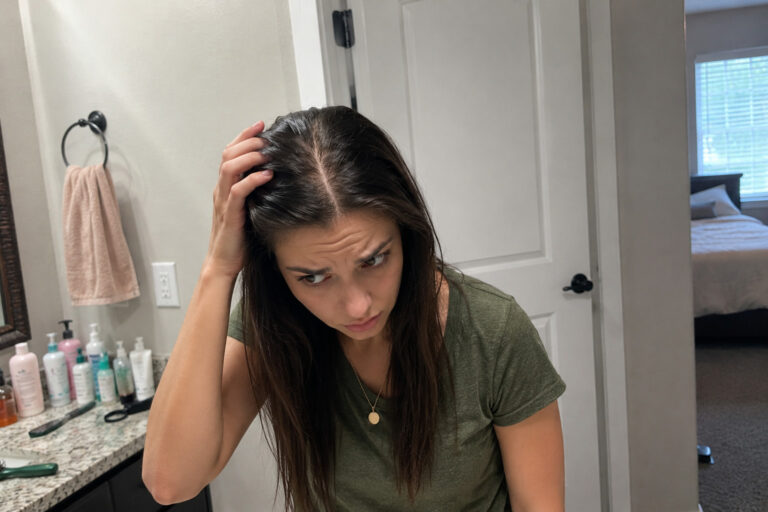
The clearest signs of a dry scalp are flaking, tightness, and itchiness. These three symptoms together almost always point to moisture loss. They rarely mean an oily buildup issue instead.
Flaking from dryness tends to be fine, white, and powdery. Tightness usually shows up right after washing. Your scalp feels stretched or stiff at that point. Itchiness from dryness is not tied to excess oil. It often gets worse in dry weather or after a hot shower.
These signs are different from an oily scalp that is also flaking. That combination usually points to product buildup or an oil imbalance instead. Does your scalp feel greasy within a day of washing, and still flake? Then moisture is probably not the missing piece.
Dry Scalp vs Dandruff: How to Tell the Difference
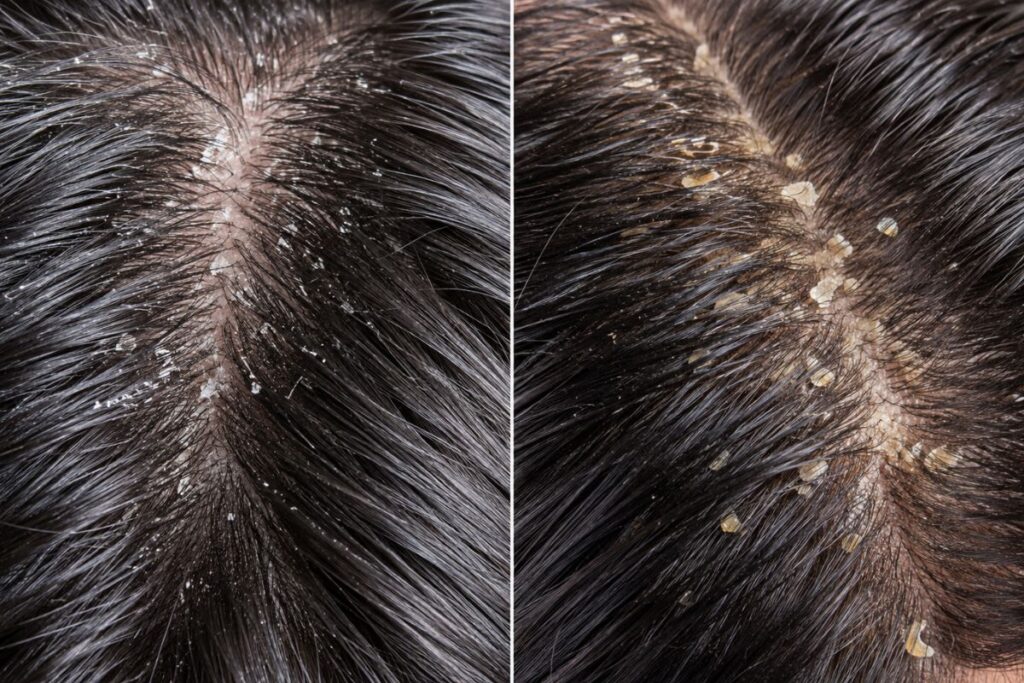
Dry scalp and dandruff can look almost identical. But they need different treatments. Dry scalp comes from moisture loss. According to the American Academy of Dermatology’s guidance on treating dandruff, dandruff is often linked to a yeast called Malassezia and excess oil on the skin.
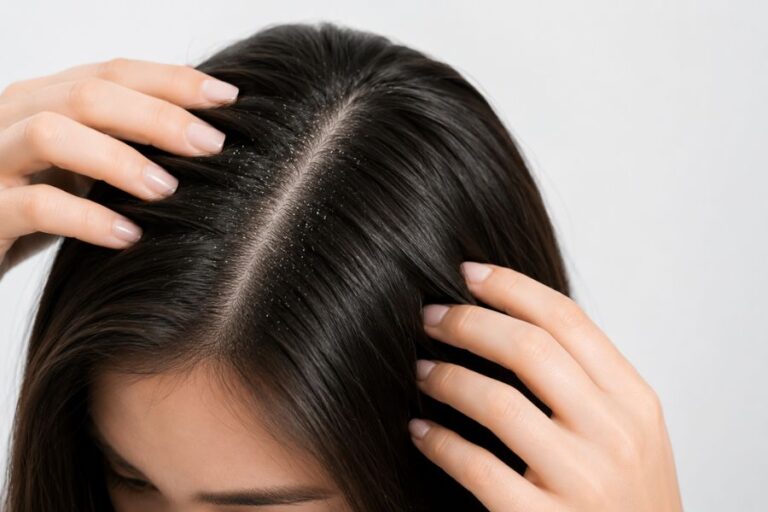
Flake type is the easiest way to tell them apart. Dry scalp flakes tend to be small, white, and dry to the touch. Dandruff flakes are usually larger and yellowish. They also feel slightly oily. They often cling to hair strands rather than falling away easily.
Using the wrong treatment can make things worse. A medicated dandruff shampoo on a genuinely dry scalp can strip away even more moisture. A rich, oily moisturizer on a dandruff prone scalp can feed the yeast that causes the flaking in the first place.
| Feature | Dry Scalp | Dandruff |
| Flake appearance | Small, white, dry | Larger, yellowish, oily |
| Main cause | Moisture loss, barrier damage | Malassezia yeast, excess oil |
| Itchiness | Common, tied to dryness | Common, can be more intense |
| First step treatment | Gentle, hydrating shampoo | Medicated dandruff shampoo |
| Worsens in | Cold, dry weather | Humid weather, oily conditions |
Have over the counter products not helped either condition after a few weeks? Dermatologists recommend seeing a board certified dermatologist at that point. Several skin conditions can mimic both, so a proper diagnosis matters.
The Step by Step Scalp Moisturizing Routine
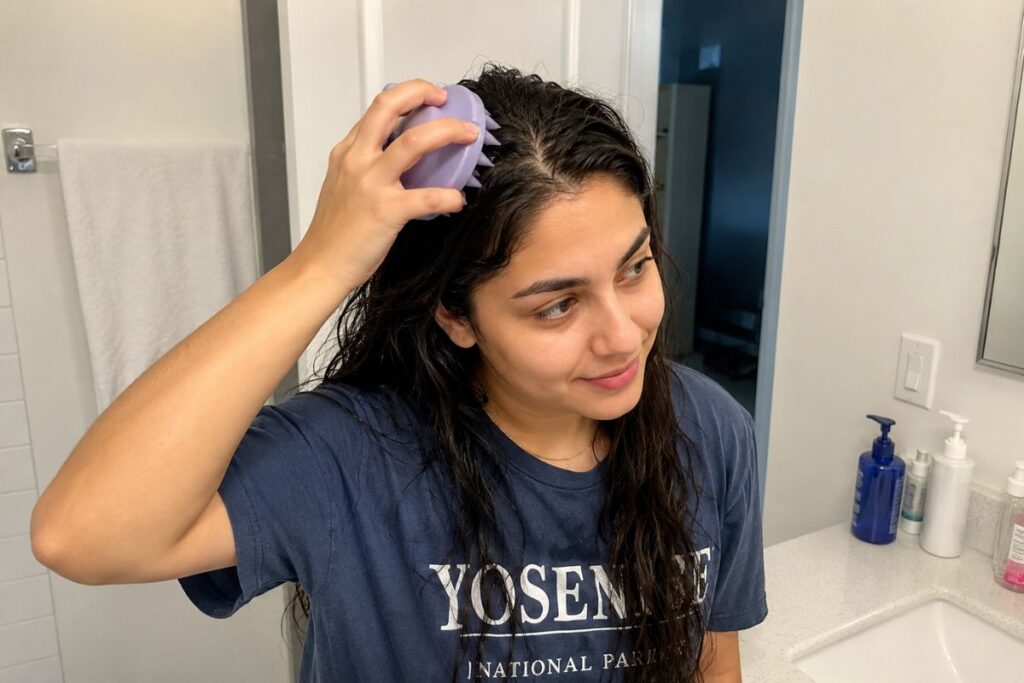
A real scalp moisturizing routine follows four steps in order. Skipping the order reduces how well each step works. This is especially true if you exfoliate after treatment rather than before.
Step 1: Cleanse without stripping. Use a gentle, sulfate free shampoo. Wash with lukewarm water instead of hot water. This removes dirt and oil without stripping the scalp bare.
Step 2: Exfoliate to remove buildup. Once or twice a week, gently massage your scalp with your fingertips. A soft brush also works well. This clears dead skin so the next step can actually be absorbed.
Step 3: Treat with oil or serum. Apply a lightweight scalp oil or serum directly to the skin. Do not just apply it to the hair. Massage it in for one to two minutes to help it absorb.
Step 4: Seal and maintain between washes. On non-wash days, try a light leave in scalp mist. A few drops of oil work too. Both help lock in moisture without weighing hair down.
In practice, this routine works best when done two to three times a week for the treatment steps. Gentle cleansing can happen as often as your hair type requires.
Best Natural Remedies for a Dry Scalp
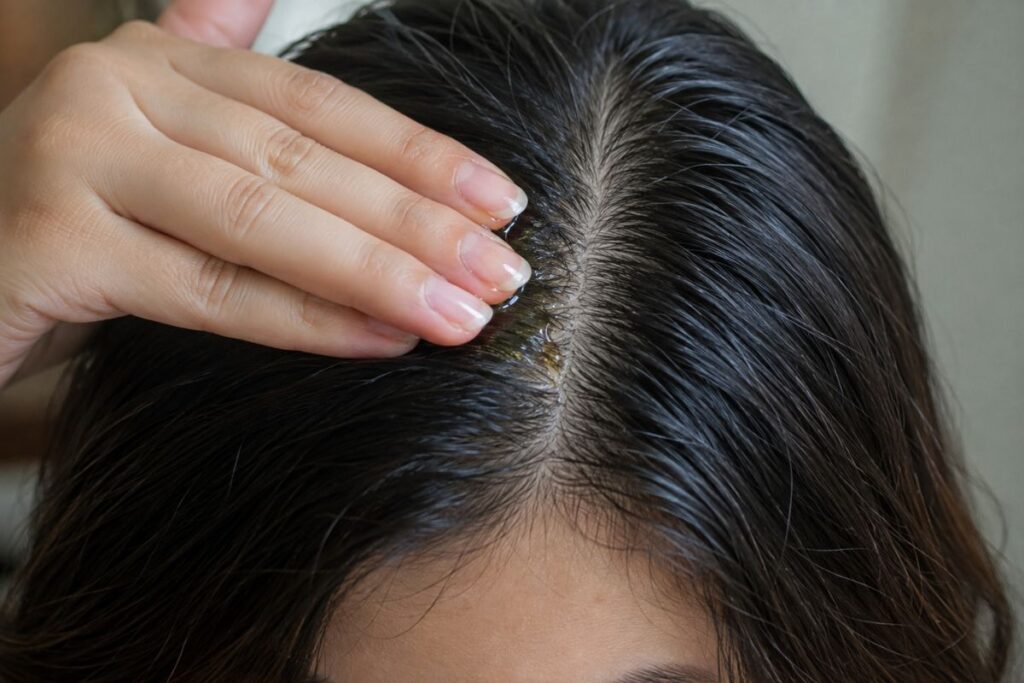
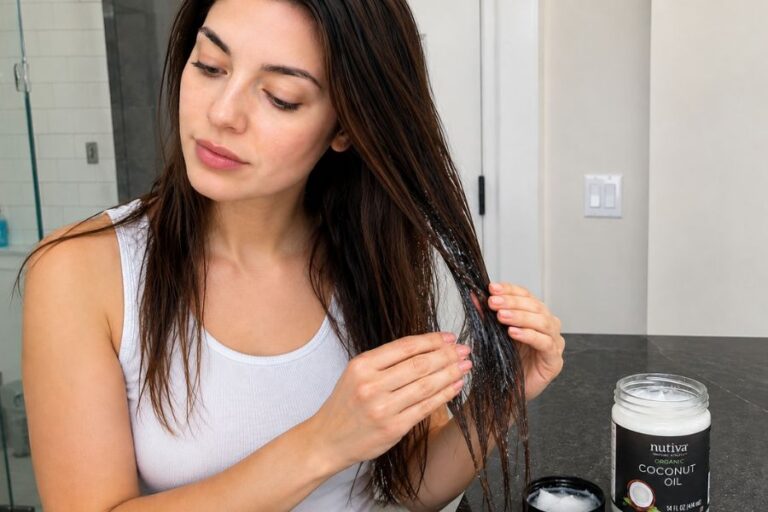
Several natural oils and ingredients genuinely help a dry scalp when used correctly. Coconut oil, jojoba oil, and argan oil are the three most commonly recommended. Each one is rich in fatty acids that support skin hydration.
Jojoba oil closely resembles the scalp’s own natural sebum. This makes it less likely to feel heavy or greasy. Coconut oil is thicker. It works well for very dry, tight scalps, though it should be used sparingly on fine hair. Argan oil sits in between. It offers hydration with a lighter feel.
Aloe vera and diluted tea tree oil both have a place here too. Aloe vera soothes irritation while adding light moisture. It works well for sensitive or reactive scalps. Tea tree oil should always be diluted with a carrier oil before touching the scalp. Full strength application can irritate skin.
Apple cider vinegar rinses are another common suggestion. Mix roughly one part vinegar to two or three parts water. This can help remove product buildup between washes. It works best as a supporting step rather than a primary moisturizing treatment.
Scalp Care by Hair Type
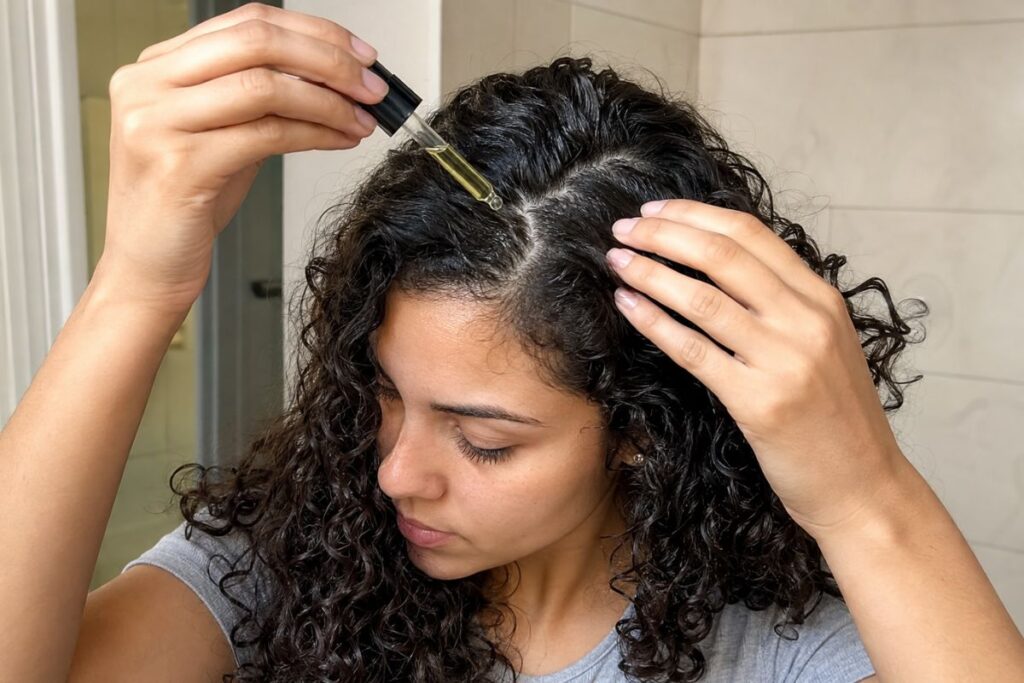
Your hair type changes how oil travels. It also changes how products should be applied. A one size fits all routine rarely works well because of this.
Curly and coily hair tends to run driest overall. Natural oils have a harder time traveling down a curved hair shaft. Straight hair does not have this problem. Because of this, the scalp often needs more direct, frequent treatment, even when the hair itself feels fine. Applying oil directly to the scalp matters most here. Do not just apply it to the lengths.
Fine and straight hair needs a lighter touch. Heavier oils like coconut oil can weigh this hair type down. It can look greasy fast. A lightweight serum works better here. A diluted oil is also a good option.
Color treated hair needs gentle, sulfate free products specifically. Harsh cleansers can strip both moisture and color at the same time. Look for scalp treatments free of alcohol and strong fragrance. These can dry out already sensitized skin.
Habits That Keep Your Scalp Hydrated Long Term
Long term scalp health depends more on daily habits than any single product. Shower temperature is one of the biggest factors. Hot water strips natural oils every single time you wash.
Wash frequency matters just as much. Washing too often removes oil faster than your scalp can replace it. Washing too rarely lets buildup smother the skin instead. Most people do best with two to four washes a week. Adjust this based on your hair type and activity level.
Diet plays a supporting role too. Staying hydrated helps support skin health from the inside. Eating foods rich in omega 3 fatty acids helps too. But diet alone will not fix a scalp stripped by harsh products or hot showers.
Certain ingredients are worth avoiding altogether if your scalp runs dry. Sulfates tend to worsen dryness over time. Strong alcohols do too. So do heavy fragrances, even in products marketed as gentle.
Frequently Asked Questions
How do you moisturize a dry scalp?
Cleanse gently with a sulfate free shampoo first. Exfoliate once or twice a week to remove buildup. Then apply a lightweight oil or serum directly to the scalp. Doing these steps in order matters more than any single product you choose.
What is the best natural moisturizer for scalp?
Jojoba oil is often considered the best natural option. It closely resembles the scalp’s own natural oil, so it rarely feels heavy. Coconut and argan oil are also effective. They work especially well for thicker or coarser hair types.
Does conditioner moisturize the scalp?
Conditioner is designed mainly to hydrate and soften hair strands, not the scalp itself. Focusing the conditioner on the mid lengths and ends works best. A separate scalp treatment should handle the skin directly.
How often should you moisturize your scalp?
Two to three times a week works well for most people using an oil or serum treatment. Daily treatment is rarely necessary. It can lead to buildup if not balanced with regular gentle cleansing.
Is coconut oil good for a dry scalp?
Yes, coconut oil is rich in fatty acids that help soften and hydrate dry scalp skin. It works especially well for thick or coarse hair. Fine hair types should use it sparingly to avoid a greasy look.
How can you tell if it’s a dry scalp or dandruff, and does the treatment need to be different?
Dry scalp flakes are small, white, and dry. Dandruff flakes are larger and slightly oily. Yes, the treatment differs. Dry scalp needs gentle hydration. Dandruff usually needs a medicated shampoo targeting the yeast that causes it.
I have curly hair and my scalp always feels dry no matter what I do, what am I doing wrong?
Curly hair often runs drier since natural oils struggle to travel down a curved hair shaft. Try applying oil directly to your scalp, not just your lengths. Also reduce how often you use heavy styling products, since they can block moisture absorption.
What causes a dry, itchy scalp in the first place?
A dry, itchy scalp usually comes from reduced natural oil production. A damaged skin barrier makes it worse. Hot showers, harsh shampoos, cold weather, and indoor heating are the most common everyday triggers behind it.
Conclusion
Learning how to moisturize scalp properly comes down to understanding what your skin actually needs. It is not about switching products at random. A tight, flaky, or itchy scalp is asking for real care. A consistent routine works far better than scattered fixes.
Three things are worth remembering. Order matters, so cleanse, exfoliate, then treat, not the other way around. Dry scalp and dandruff need different treatments, so getting the diagnosis right matters first. And your hair type should shape your routine, since curly, fine, and color treated hair all respond differently to the same ingredients.
Explore more of our hair care guides to build a routine that genuinely works for you.

One Comment