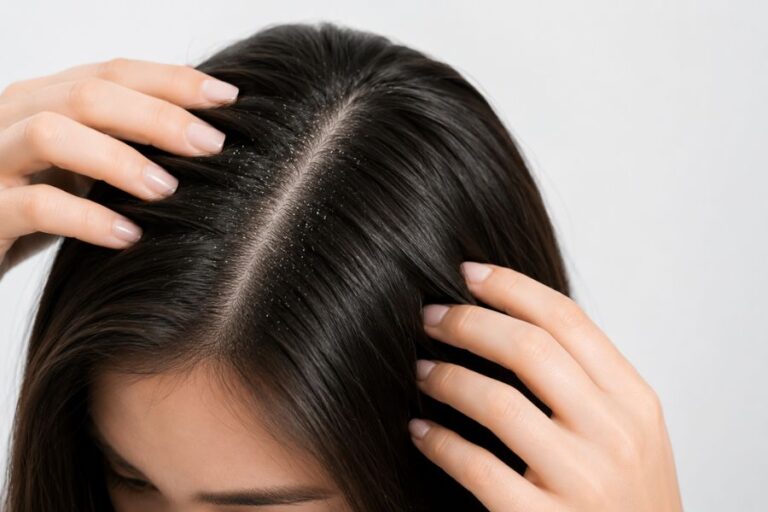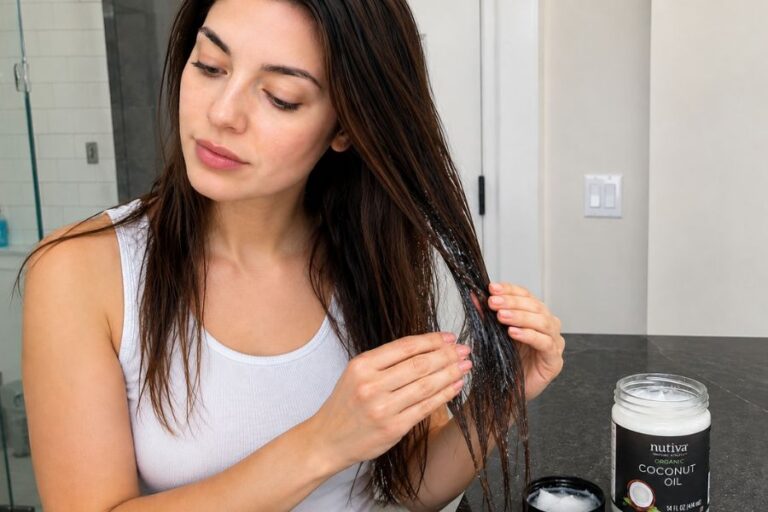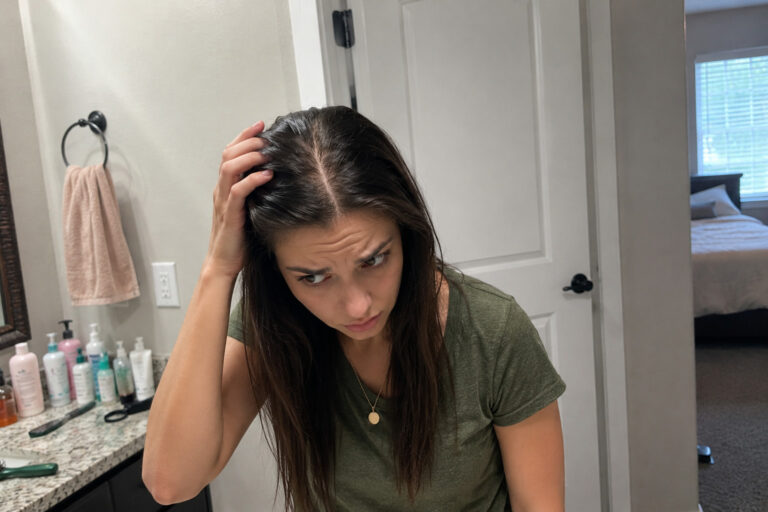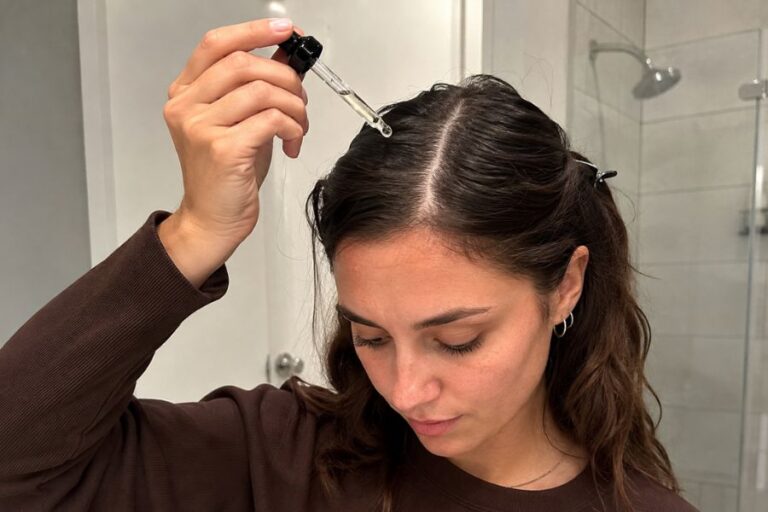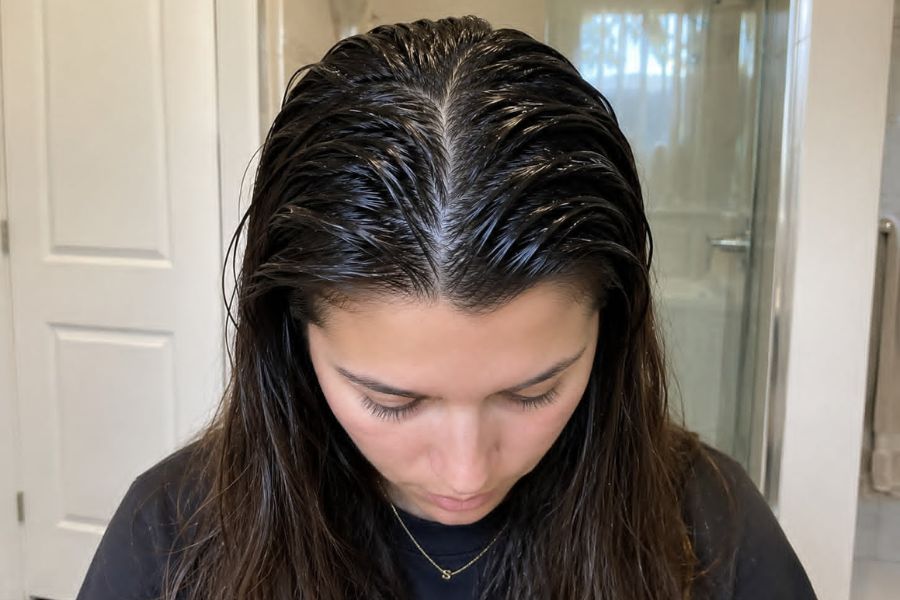
Your hair gets oily fast because of tiny glands at the base of each hair follicle. These glands are called sebaceous glands. They make an oil called sebum. When they make too much sebum, your hair looks greasy fast. How fast this happens depends on three things. It depends on your genetics. It depends on your hormones. It also depends on your daily habits.
Have you ever washed your hair in the morning? Then by lunch, it already looks oily again. You are not alone. You are also not doing anything wrong. This guide explains the real biology behind oily hair. It covers the habits that make it worse. It also explains why curly hair often behaves differently than straight hair.
✔ Key Takeaways
- Your scalp has tiny oil glands. They are called sebaceous glands. They make an oil called sebum. Too much sebum causes greasy hair.
- Genetics and hormones set your baseline oil level. Daily habits make things better or worse from there.
- Washing your hair less does not train your scalp to make less oil. That idea is a myth.
- Curly and coily hair often looks oily at the scalp. At the same time, the ends can feel dry. This is not a contradiction.
- Most oily hair is just how your body works. Some cases need a dermatologist instead of a new shampoo.
Why Does My Hair Get So Oily So Fast?
Your hair gets oily fast because your glands make more oil than your hair needs. This oil is called sebum. It builds up on your strands. Your hair then looks greasy sooner than you would like.
Why Oiliness Varies So Much From Person to Person
Some people can go three days without washing. Others feel greasy within hours. This comes down to three things. Your genetics set your natural oil level. Your hormones can raise or lower that level. Your daily habits then make things better or worse.
What Is Sebum and Why Does Your Scalp Produce It?
Sebum is a waxy, oily substance. Glands at the base of each hair follicle make it. Sebum provides about 90 percent of the skin’s surface lipids and helps protect it from outside damage, according to a physiology review published by the National Institutes of Health.
The Sebaceous Gland and What Sebum Actually Does
Every hair follicle has a tiny gland attached to it. This gland is called a sebaceous gland. Think of it like a small oil factory. It releases sebum. That sebum then travels from your scalp down each strand.
Why Sebum Is Necessary, Not Just a Problem
Sebum is not the enemy here. Without it, your hair would feel dry and brittle. It would also break more easily. The real problem starts only when your glands make too much. The goal is balance. It is not about removing oil completely.
Does Genetics Determine How Oily Your Hair Gets?
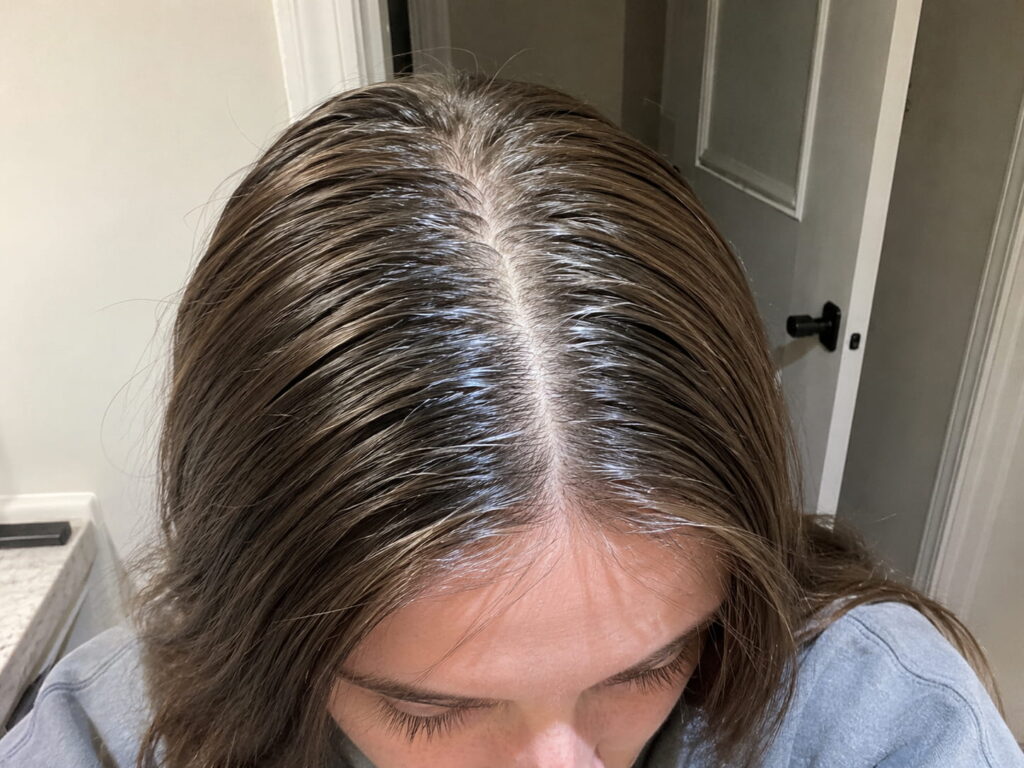
Yes, genetics plays a big role here. Some people are simply born with bigger oil glands. Others are born with more of them.
Gland Size and Number Are Inherited
You inherit your gland size from your parents. You also inherit how many glands you have. The number of sebaceous glands stays roughly the same throughout your life, but how active they are changes with age and hormone levels, according to research published by the National Institutes of Health. Bigger or more active glands make more sebum.
Why Oily Hair Often Runs in Families
Did your parents deal with oily hair or oily skin? Then you are more likely to deal with it too. Genetics also shapes your hair texture. Texture affects how oil looks once it sits on your hair. Fine, straight strands let sebum glide down easily. That creates the greasy by noon feeling many people know well.
How Hormones Affect Oil Production
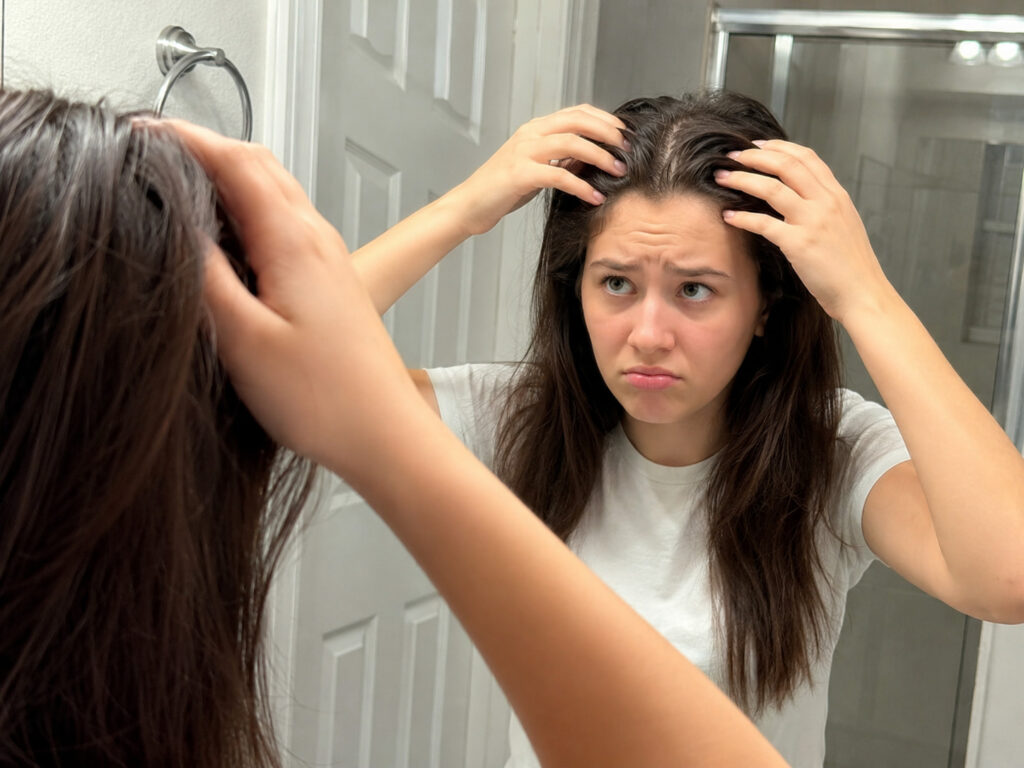
Hormones are a huge driver behind oily hair. A group of hormones called androgens tells your glands to work harder.
Androgens and Sebaceous Gland Activity
Androgens exist in every person, both men and women alike. Sebum production is closely tied to androgen levels, and this hormone sensitivity is well documented in dermatology research, according to a study on acne and sebaceous gland function published on PubMed. When androgen levels rise, oil production rises too.
Puberty, Menstrual Cycles, and Pregnancy
Puberty often sends oil glands into overdrive, since testosterone drives increased sebum production during this stage of development, with pubic hair growth and adrenarche beginning around age 9, according to dermatology guidance from DermNet. Menstrual cycles change hormone levels too. So does pregnancy. These changes can make hair oilier during certain weeks or months.
Stress, Cortisol, and Medication
Stress raises a hormone called cortisol. High cortisol can throw off your natural oil balance. This leads to greasier hair. Some medications affect this too. Birth control is one example. Other hormone therapies can shift your scalp’s oil output as well.
Daily Habits That Make Oily Hair Worse
Your genetics and hormones set the baseline. Your daily habits decide how fast that oil actually shows up.
Underwashing and What It Actually Does to Your Scalp
Going too long between washes causes a real problem. Natural oil mixes with dirt and sweat. It also mixes with leftover product. This buildup makes hair look and feel greasy. This happens even if your glands are not overproducing. Underwashing is just as real a cause as overwashing. It just works in the opposite direction.
Product Buildup and Heavy Conditioner
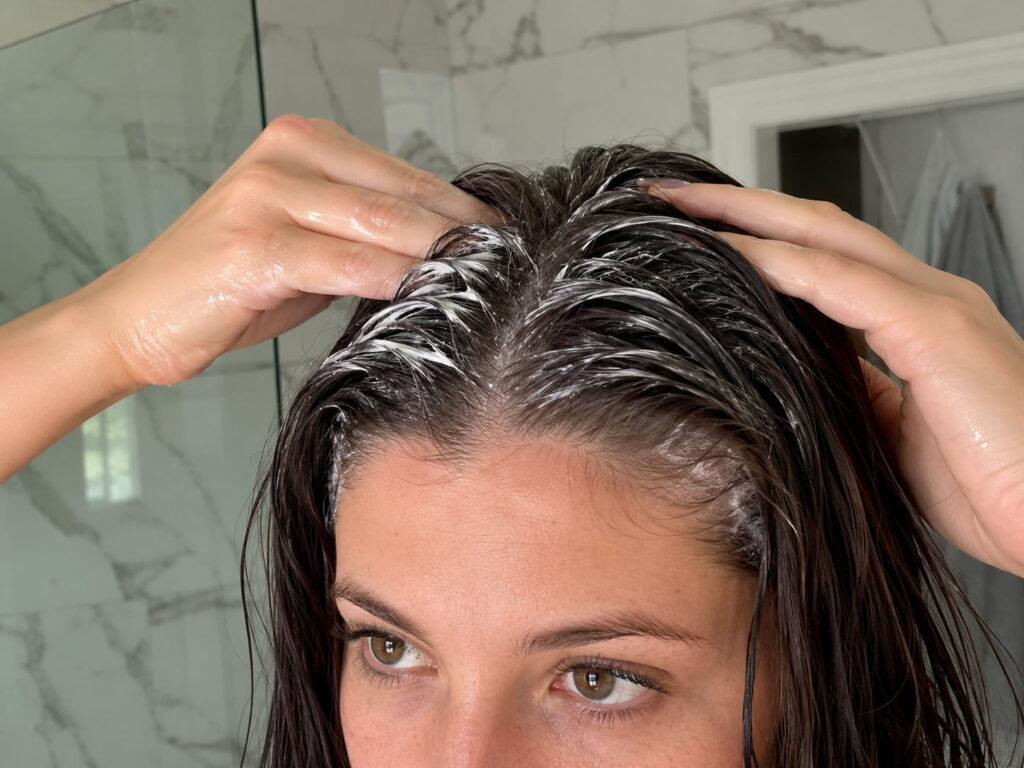
Heavy conditioners can leave a film on your hair. So can thick styling creams. So can waxy serums. This film mixes with your natural sebum. Together they create a greasy coating almost right away. Applying conditioner too close to your roots makes this worse. Your scalp already makes its own natural conditioning oil.
Touching Your Hair, Dirty Brushes, and Dirty Pillowcases
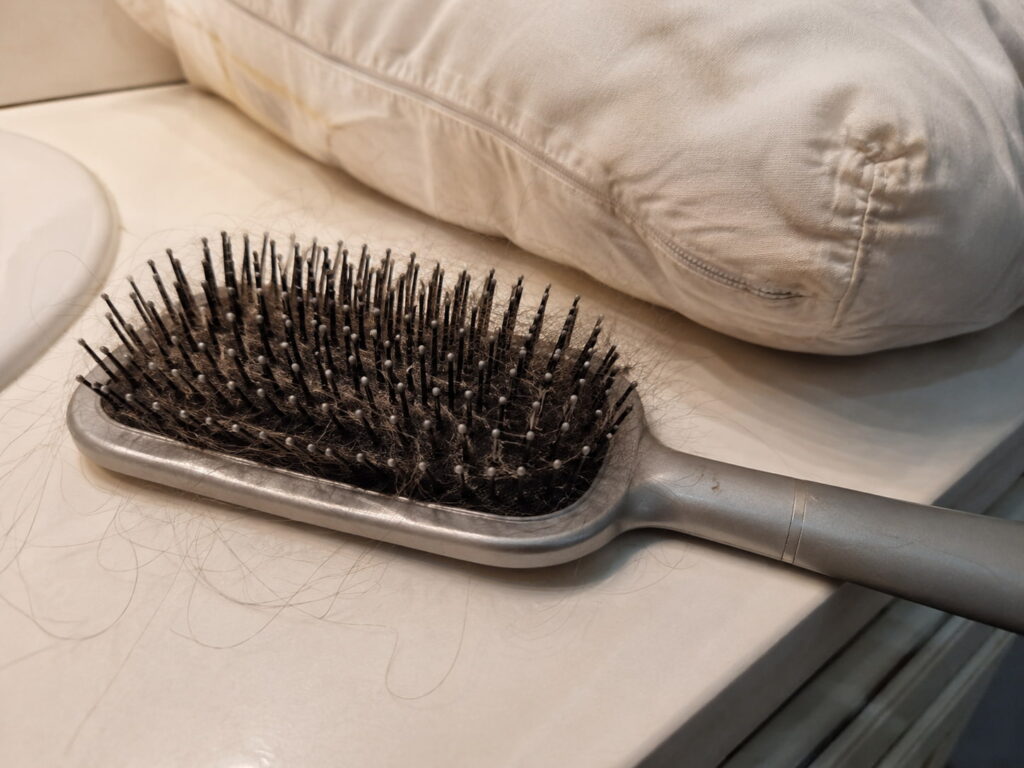
Every time you touch your hair, you transfer oils and dirt from your hands onto your strands. A dirty hairbrush does something similar. It holds onto old oil and product. That gets spread back onto your hair the next time you brush. Your pillowcase collects oil and sweat overnight too. That residue transfers right back into your hair while you sleep.
Not Rinsing Thoroughly
Shampoo residue that does not fully rinse out can mix with sebum. This creates the illusion of oily hair right after washing. Many people miss this cause. They assume the shampoo failed. Really, the rinse was the issue.
Does Washing Your Hair Less Actually Help?
No, washing less does not train your scalp to make less oil. This is one of the biggest myths about oily hair.
Why Frequent Washing Does Not Train Your Scalp to Produce More Oil
Your glands respond mainly to hormones, not to how often you shampoo. When overwashing seems to backfire, the real issue is usually the cleanser itself. It is not the washing. A harsh shampoo can strip your scalp’s natural barrier. This causes irritation. That irritation can trigger even more oil production.
What Actually Happens When You Overwash With the Wrong Cleanser
Harsh shampoos remove too much natural oil at once. Your scalp can react by making extra sebum to make up for it. So the problem is not washing itself. The problem is washing with the wrong formula for your hair type.
Finding Your Actual Wash Frequency
There is no single correct answer here. Some people do best washing daily. Others do best every two or three days. Try shifting your schedule by one day at a time. Watch how your scalp responds over about two weeks.
Why Curly and Coily Hair Shows Oil Differently Than Straight Hair
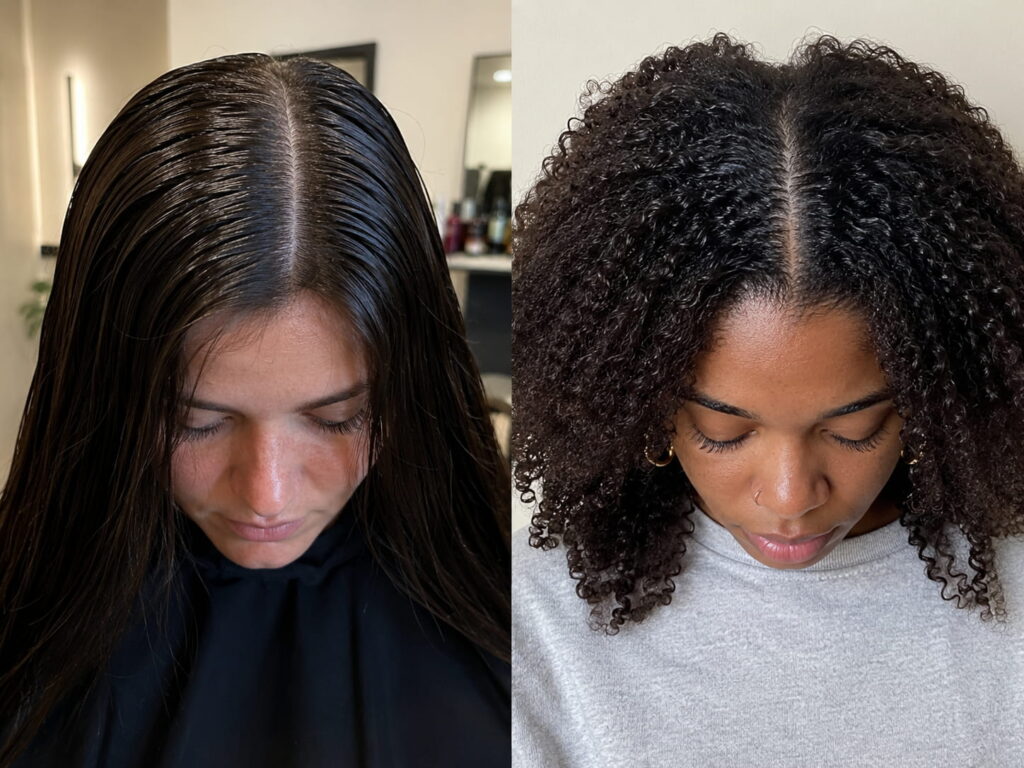
Curly and coily hair often takes longer to look oily than straight hair does. This comes down to how sebum physically travels down each strand.
Why Sebum Travels Easily Down Straight Hair
Straight hair has a smooth, uninterrupted shaft. Sebum slides down this smooth surface with little resistance. It coats the length of the hair fairly quickly. This is exactly why fine, straight hair often looks greasy sooner than other textures.
Why Sebum Pools at the Scalp on Curly and Coily Hair Instead
Curly and coily strands have bends built into their shape. These bends slow sebum down significantly. Instead of traveling the full length of the hair, sebum tends to pool near the scalp instead.
Why Is My Scalp Oily But My Ends Are Dry?
Your scalp can look oily while your ends stay dry. This happens because sebum pools near your roots. It does not reach the rest of your hair. This is common in curly and coily hair types.
How the Same Sebum Pooling Effect Creates Both Symptoms at Once
The same bends that trap sebum at the scalp also block moisture from reaching your ends. Your roots end up with extra oil sitting on the surface. Your ends are left without the moisture they need.
Why This Is Not a Contradiction, Just Uneven Oil Distribution
This does not mean your hair is broken. It simply reflects where the oil ends up. This depends on your hair’s shape. Oily roots and dry ends on the same head is a normal outcome of curly and coily hair structure.
Is Your Oily Hair a Routine Issue or a Scalp Health Problem?
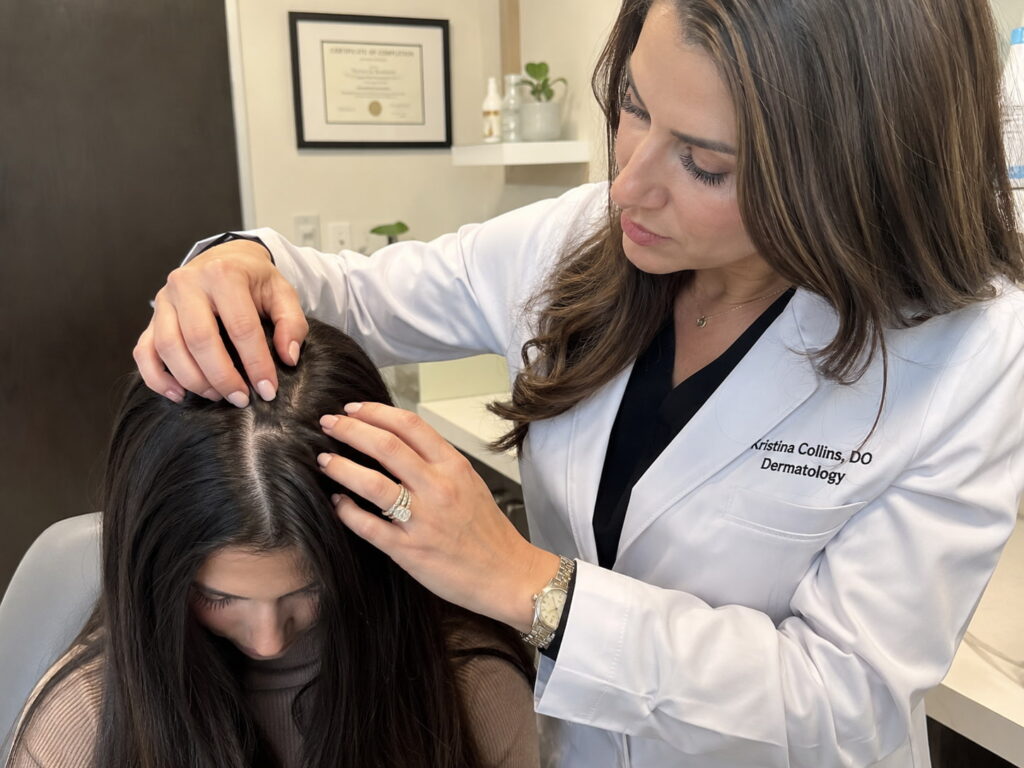
Most oily hair is a routine issue. You can manage it with the right habits and products. Some cases point to something more. Those cases need a dermatologist’s attention.
Signs Your Oiliness Is Normal and Routine
Does your hair get oily on a predictable schedule? Does it respond well when you adjust your wash routine or shampoo? Then this is likely just your normal oil production at work.
Signs That Point to Seborrheic Dermatitis or Another Scalp Condition
Persistent flaking alongside oiliness is worth watching closely. Redness, soreness, or itching combined with greasy hair points toward a possible scalp condition, not routine oiliness.
When to See a Dermatologist
Does your hair feel greasy within hours of washing, no matter what you try? Does this come with itching, flaking, or redness? Then it is worth seeing a dermatologist. A professional can check for conditions like seborrheic dermatitis. They can also run tests for hormonal imbalances.
How to Actually Fix Oily Hair
Fixing oily hair comes down to one thing. Match your products and habits to your actual scalp needs. Do not just wash more or less at random.
| Cause Category | What Drives It | Can You Control It | Best Fix |
| Genetics | Gland size and number inherited from parents | No | Manage with the right products, not by fighting biology |
| Hormones | Androgens, puberty, cycle, stress, medication | Partially | Manage stress, discuss medication changes with a doctor |
| Overwashing With Harsh Cleanser | Stripped scalp barrier triggers extra oil | Yes | Switch to a gentle, residue free shampoo |
| Product Buildup | Heavy conditioners, waxy serums, silicones | Yes | Use lightweight formulas, avoid applying near roots |
| Touching or Dirty Tools | Oil transfer from hands, brushes, pillowcases | Yes | Wash brushes weekly, change pillowcases often |
Choosing the Right Shampoo and Rinsing Thoroughly
Look for a shampoo that rinses completely clean. It should not leave residue behind. Focus your lathering at the roots. That is where oil actually builds up. Always rinse longer than feels necessary. Leftover shampoo is a hidden cause of greasy feeling hair.
Shampoo Ingredients That Make Oily Hair Worse
Silicones coat the hair shaft. They can trap oil underneath instead of letting it wash away. Heavy waxy conditioning agents do something similar. They sit on the surface rather than rinsing clean. Rich, thick oils in styling products can add to the problem too, especially near your roots.
Using Dry Shampoo Correctly
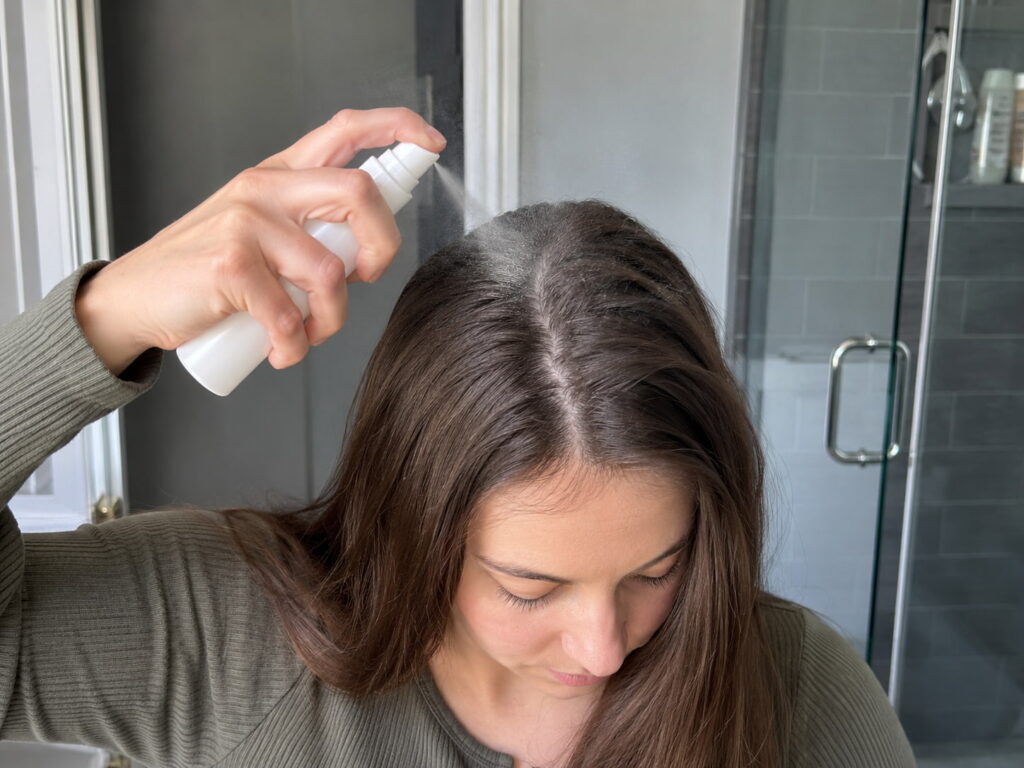
Step 1: Section your hair. Spray dry shampoo directly at the roots, where oil actually collects.
Step 2: Wait a minute or two. Let the formula absorb the oil fully before touching your hair.
Step 3: Massage the product into your scalp with your fingertips. Then brush through to spread it evenly.
Step 4: Do not overuse dry shampoo every day. The powder itself can add to buildup over time if you never wash it out properly.
Diet, Hydration, and Stress Management
A diet high in refined sugar and fried fats may contribute to oilier skin and scalp for some people. Foods rich in omega 3 fatty acids, zinc, and antioxidants may help support better oil balance instead. Staying hydrated supports your overall scalp health. Managing stress also matters, since exercise and better sleep can help lower cortisol.
Frequently Asked Questions
How often should I wash oily hair?
There is no single correct answer. This depends on your individual scalp. Many people with oily hair do best washing every one to two days. Use a gentle, residue free shampoo. Testing small changes helps you find your ideal frequency.
Does washing your hair less make it less oily?
No, washing less does not train your scalp to produce less oil. Sebaceous glands do not respond to shampoo frequency that way. If overwashing seems to make oiliness worse, a harsh cleanser is usually the real cause.
What shampoo ingredients cause oily hair?
Silicones, heavy waxy conditioning agents, and rich oils can all coat the hair shaft. They trap oil underneath instead of letting it rinse away. Check your shampoo and conditioner labels for these ingredients.
Can stress cause oily hair?
Yes, stress can contribute to oily hair. High stress raises cortisol levels. Cortisol can disrupt your scalp’s natural oil balance. Managing stress through exercise, better sleep, or relaxation techniques may help.
Why is my scalp oily but my hair ends are dry?
This happens because sebum pools near your scalp. It does not travel down the length of your hair. Curly and coily strands have bends that slow oil distribution. This leaves your roots with extra oil.
I wash my hair every single day and it still looks greasy by the afternoon, even though my friend with similar hair can go three days without washing. Is something wrong with my scalp or is this just how my hair is?
This is most likely just your natural oil production level. Genetics largely determines this. Try a residue free shampoo. Check that you are rinsing thoroughly before assuming something is wrong with your scalp.
I have curly hair and my scalp feels oily within a day of washing, but my curls themselves feel dry and brittle at the same time. How can my hair be oily and dry at once, and what should I actually do about it?
Your curl pattern slows sebum from traveling down the hair shaft. Oil pools at your scalp while your ends stay dry. Focus cleansing at your roots. Focus moisture at your ends and lengths. Treat these as two separate needs.
Conclusion
Why does my hair get so oily so fast comes down to a simple mix of biology and habit. Your sebaceous glands are shaped by genetics and hormones. They set how much oil you naturally produce. Your daily routine then decides how quickly that oil shows up on your hair.
Remember three things. First, washing less is not a fix. It can sometimes make things feel worse. Second, curly and coily hair can genuinely be oily at the roots and dry at the ends at the same time. Third, most oily hair is simply routine. But persistent flaking or irritation is worth a dermatologist visit.
Explore more hair care guides on HairStyleFreek to find the right routine for your specific hair type and scalp needs.