✔ Key Takeaways
- Dandruff does not directly cause permanent hair loss. It can lead to shedding through scratching and inflammation.
- Once you treat the dandruff, shedding usually returns to normal within weeks to months.
- Scratching your scalp damages the follicle. It does not help hair grow.
- Bald and thinning scalps can still get dandruff. Dandruff starts at the skin, not the hair.
- A dermatologist can tell you if your hair loss is truly dandruff related or something else entirely.
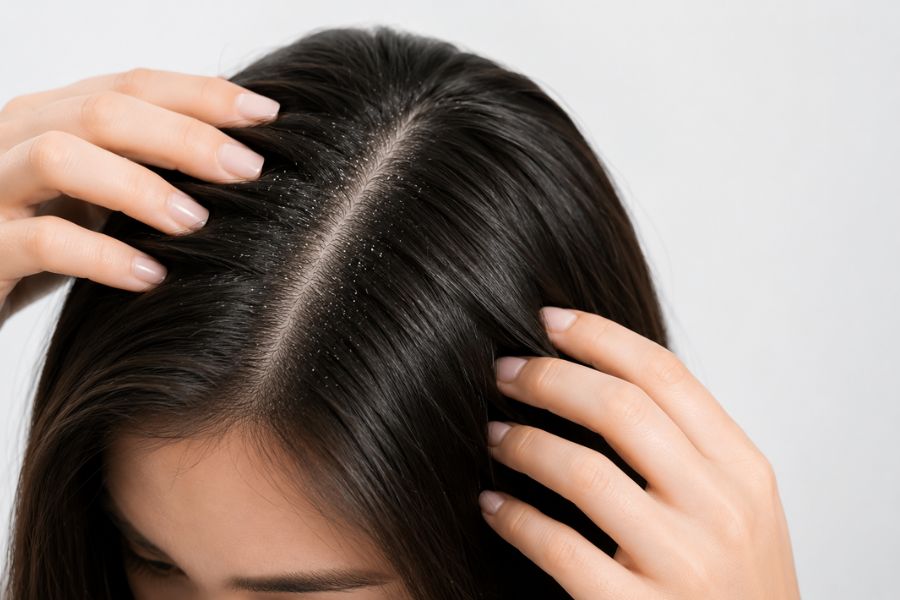
Hair Dandruff and hair loss often show up at the same time, but dandruff does not directly cause permanent hair loss. It can lead to more shedding through scratching, scalp inflammation, and stress. If you have noticed more flakes and more hair in the drain lately, the real story is more interesting than a simple yes or no.
This guide walks you through exactly how dandruff connects to shedding. You will learn how to tell dandruff related hair loss apart from other causes. You will also learn how dandruff differs from seborrheic dermatitis and scalp psoriasis. Along the way you will find out if your shampoo might be making things worse, and what to do to protect your hair while you treat your scalp.
Does Dandruff Cause Hair Loss?
Dandruff does not directly cause permanent hair loss. But it can lead to shedding in a few real ways.
Why This Gets Confused So Often
Flaking and shedding often start around the same time. That makes people assume one causes the other. Most of the time, a shared root cause is behind both. Scalp inflammation is usually that shared cause.
Is Dandruff Related Hair Loss Permanent?
No, it is not permanent. Once you treat the dandruff, the inflammation calms down. Shedding usually returns to normal within a few weeks to a few months. This is the key difference between dandruff related shedding and permanent conditions like androgenic alopecia.
What Causes Dandruff in the First Place?
Dandruff comes from a mix of scalp yeast, oil, and irritation. Here is what drives it.
Malassezia Yeast and Excess Oil
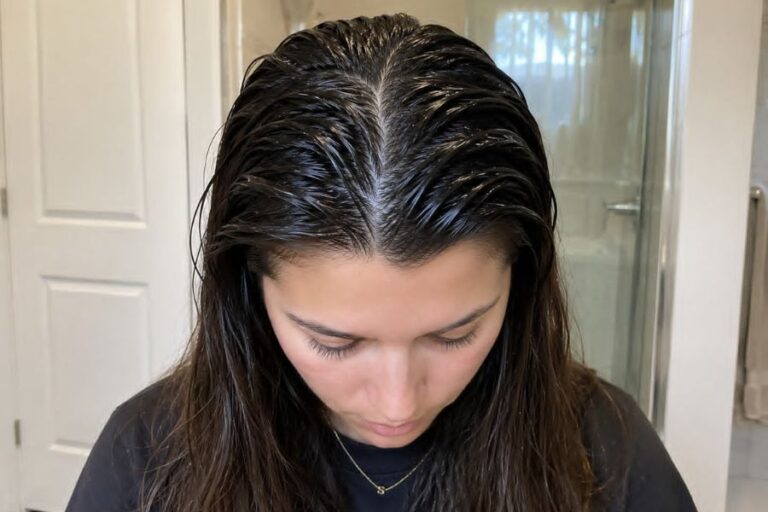
Malassezia is a yeast that lives on almost everyone’s scalp. It usually causes no problems at all. But in some people, it grows too much. This growth speeds up skin cell turnover. Dead skin cells clump together and fall as flakes.
Stress, Dry Weather, and Product Sensitivity
Stress can weaken your immune system over time. This makes your scalp more sensitive to that yeast, according to Mayo Clinic. Dry winter air makes flaking worse too.
Some hair products also irritate the scalp directly. If your scalp feels itchy, that does not mean your hair is growing faster. Itching is a sign of irritation, not a sign of growth.
How Dandruff Actually Leads to Hair Loss and Shedding
Dandruff leads to shedding through three separate paths working together. Understanding each one helps you break the cycle.
Scratching Damages the Follicle
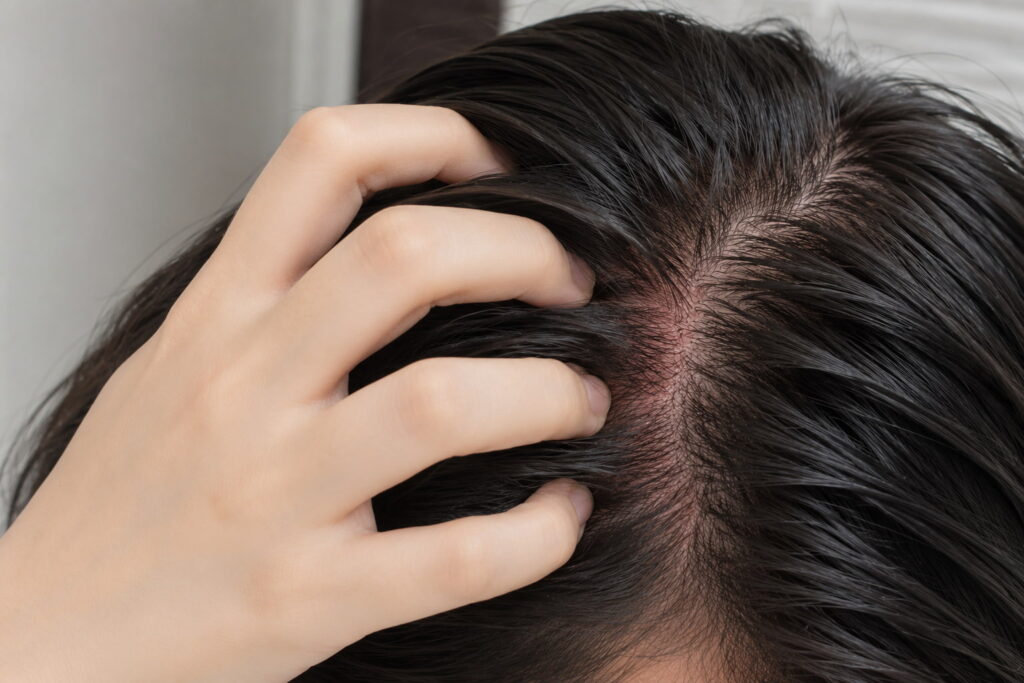
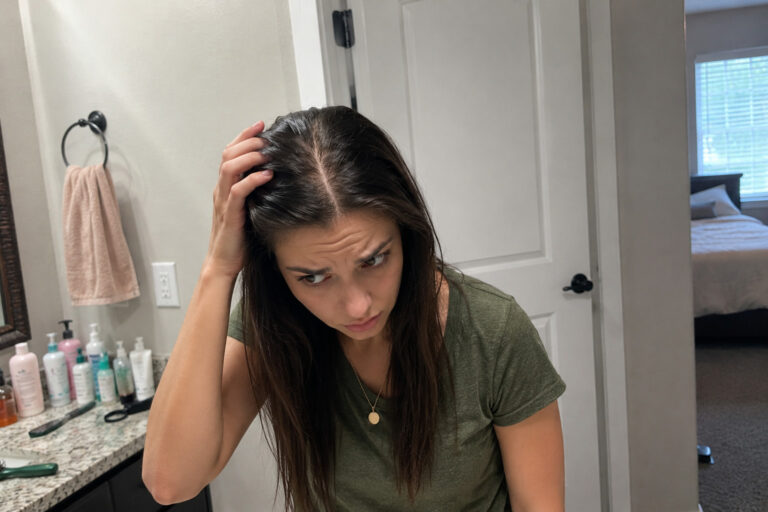
Itching leads to scratching. Scratching irritates your scalp and weakens hair right at the root. Repeated scratching over time can injure the follicle enough to cause it to release hair early. So dandruff itself does not pull your hair out. Your own scratching does.
Inflammation Disrupts the Hair Growth Cycle
Moderate to severe dandruff can turn into seborrheic dermatitis. This creates real inflammation on the scalp. That inflammation can interrupt your hair’s natural growth cycle. Dandruff can increase hair loss specifically in people who already have androgenic alopecia, according to research published in the International Journal of Cosmetic Science in 2006. In other words, the connection between dandruff and hair loss becomes stronger when an underlying hair loss condition already exists.
Stress Triggers Telogen Effluvium
Dealing with visible flakes can be stressful on its own. Stress can push more hair follicles into a resting phase earlier than normal, according to Mayo Clinic. This is called telogen effluvium. It causes temporary, diffuse shedding rather than bald patches. Some people also notice headaches along with their hair loss. This usually means stress is affecting both at once. It does not mean one is causing the other.
Signs Your Hair Loss Is Linked to Dandruff, Not Something Else
You can usually tell if dandruff is behind your shedding by watching a few specific signs.
Symptoms That Point to Dandruff Related Shedding
You may be dealing with dandruff related shedding if you notice more hair in your brush. Increased shedding during shampooing is another sign. An itchy or oily scalp alongside visible flakes points the same direction too.
Red Flags That Point to Something Else
Some signs suggest a different cause entirely. Circular bald patches are one example. Sudden, severe shedding is another. Thinning with no flaking at all is a red flag too. If you notice any of these, dandruff is probably not your main issue.
Dandruff vs Seborrheic Dermatitis vs Scalp Psoriasis
These three conditions get confused constantly, but they look and behave differently.
How Each Condition Looks and Feels Differently
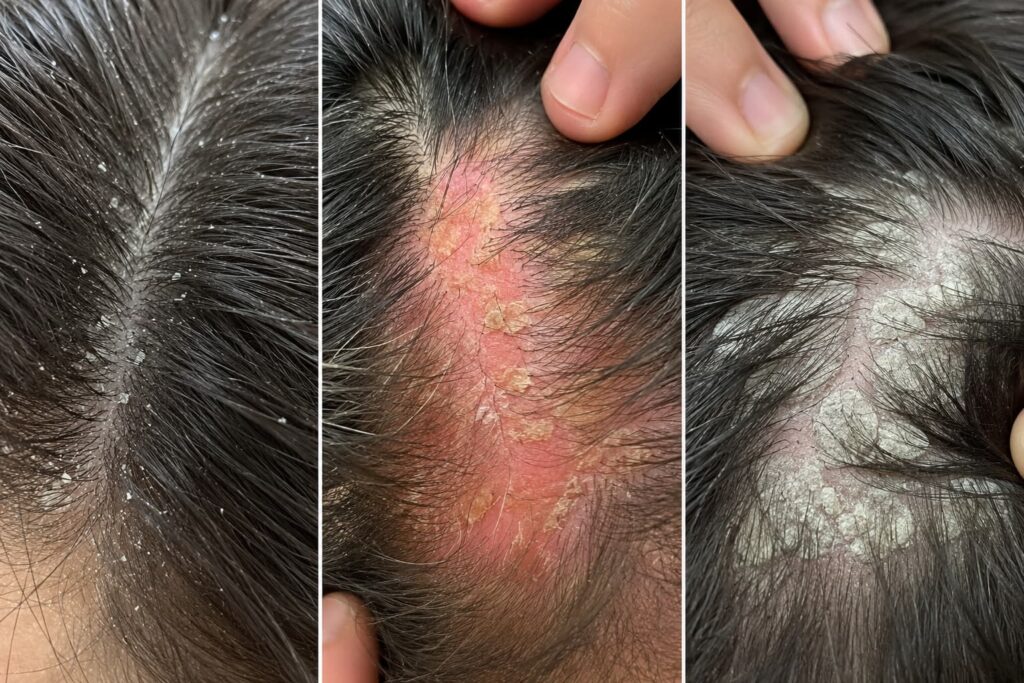
Dandruff usually shows up as small white or yellow flakes. Your scalp might feel a little itchy, but there is rarely much redness. Seborrheic dermatitis looks more like a red, scaly, and often oily rash. Scalp psoriasis brings thick, silvery scales with more defined, raised patches.
Which One Carries the Highest Hair Loss Risk
Seborrheic dermatitis and scalp psoriasis both carry a higher hair loss risk than plain dandruff. This is because both cause more inflammation over a longer period. That inflammation is what disrupts the hair growth cycle most.
| Condition | Appearance | Common Symptoms | Hair Loss Risk | Recommended Treatment |
| Dandruff | Small white or yellow flakes | Mild itchiness, minimal redness | Low, mainly from scratching | Medicated dandruff shampoo |
| Seborrheic Dermatitis | Red, scaly, often oily rash | Moderate to severe itching, visible redness | Moderate, from ongoing inflammation | Medicated shampoo plus dermatologist guidance |
| Scalp Psoriasis | Thick, silvery scales, raised patches | Significant itching, sometimes pain | Higher, from chronic inflammation | Prescription treatment from a dermatologist |
Dandruff vs Dry Scalp: Why the Difference
Dandruff and dry scalp look similar but need opposite treatments.
How to Tell Them Apart
Dandruff flakes tend to be larger and slightly oily. Dry scalp flakes are usually smaller and drier. Dry scalp often comes with tightness. Dandruff usually comes with a bit more itch and sometimes a mild odor.
Why Treating One Like the Other Makes Things Worse
If you use a strong medicated shampoo on dry scalp, you can strip away needed moisture. This makes dryness worse, not better. If you use a heavy moisturizing shampoo on true dandruff, you may feed the yeast that causes it. Getting the right diagnosis first saves you time and frustration.
Is Your Shampoo Making Your Hair Dandruff and Hair Loss Worse?
Your shampoo choice can genuinely affect both your dandruff and your hair shedding.
Does Ketoconazole Shampoo Cause Hair Loss?
Ketoconazole shampoo does not cause hair loss. Some people notice more visible shedding when they first switch shampoos. This usually happens because the new shampoo removes buildup and loosens hair that was already ready to fall out. That hair was going to shed soon anyway.
Sulfate Free Shampoo and Hair Loss
Sulfate free shampoo does not cause hair loss on its own. Sulfates are simply strong cleansing agents. They can dry out your scalp if used too often. But drying alone is not the same thing as causing hair to fall out.
Ingredients and Habits That Genuinely Make Shedding Worse
Washing too often with harsh sulfate shampoo can dry and irritate your scalp over time. Combined with scratching, that irritation adds up. Rather than blaming one specific brand, look at your overall routine. Frequency, ingredient harshness, and scratching habits matter more than any single product name.
Other Scalp and Health Issues That Get Mistaken for Dandruff Related Hair Loss
A few other conditions look like dandruff but come from completely different causes.
Allergic Reactions and Contact Dermatitis
Some hair dyes, gels, and styling sprays contain fragrances or preservatives that irritate sensitive skin. This can cause red, flaky patches that look like dandruff. If flaking started right after you tried a new product, an allergic reaction may be the real cause.
Scalp Eczema
Scalp eczema causes dry, itchy, sometimes cracked skin. It can lead to scratching damage just like dandruff does. Eczema often shows up alongside eczema elsewhere on the body, which helps tell it apart from plain dandruff.
Dehydration and Nutrient Deficiency
Dehydration alone rarely causes noticeable hair loss. But ongoing nutrient deficiency, especially low iron or low protein intake, can contribute to shedding over time. Drinking enough water supports overall scalp health, but it will not reverse hair loss on its own.
Do Bald or Thinning Hair People Still Get Dandruff and Hair Loss?
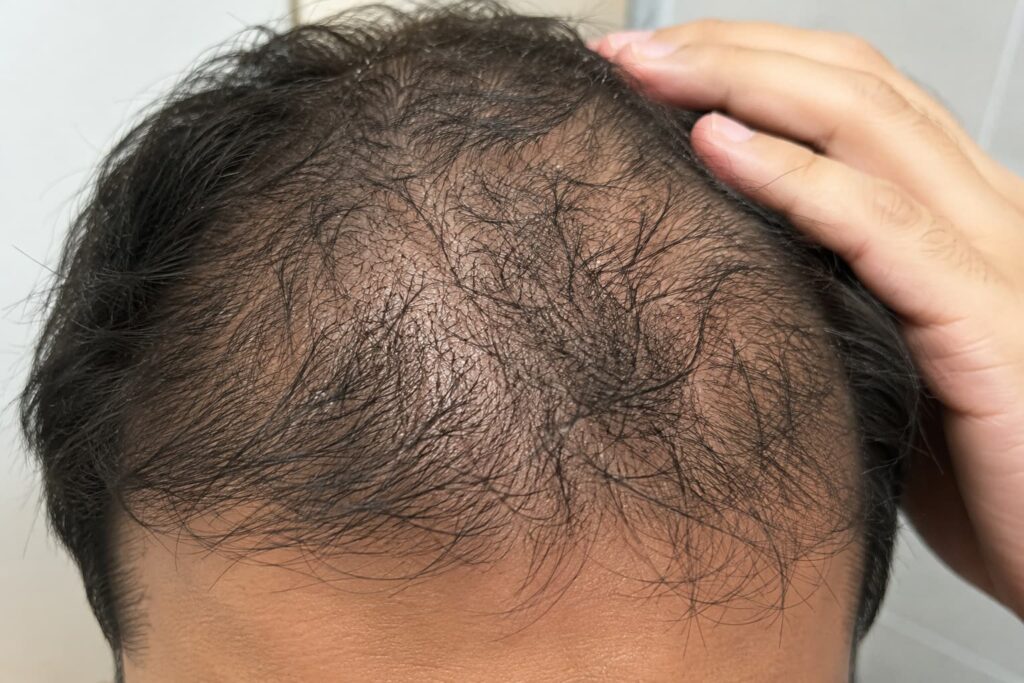
Yes, bald and thinning scalps can absolutely still get dandruff.
Why Dandruff Has Nothing to Do With How Much Hair You Have
Dandruff starts at the level of your scalp skin, not your hair follicles. The Malassezia yeast lives on skin, with or without hair covering it. This means a fully bald scalp can flake just as easily as a full head of hair. If anything, flaking can be more visible on a bald scalp since there is no hair to hide it.
How to Treat Dandruff and Protect Your Hair
Treating dandruff effectively protects your scalp and reduces the shedding tied to it.
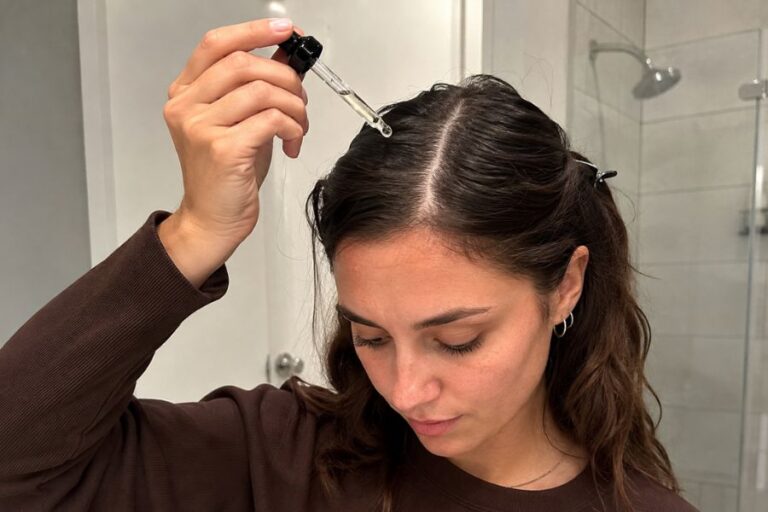
Medicated Shampoo Ingredients That Work

Step 1: Look for a shampoo containing ketoconazole, zinc pyrithione, selenium sulfide, or salicylic acid, according to the American Academy of Dermatology.
Step 2: Use the shampoo two to three times per week rather than every day.
Step 3: Rotate between two different active ingredients every few weeks if flaking persists. This can help since scalps sometimes adjust to one ingredient over time.
Step 4: Leave the shampoo on your scalp for the time listed on the bottle before rinsing. Rinsing too soon reduces how well it works.
Home Remedies That May Help
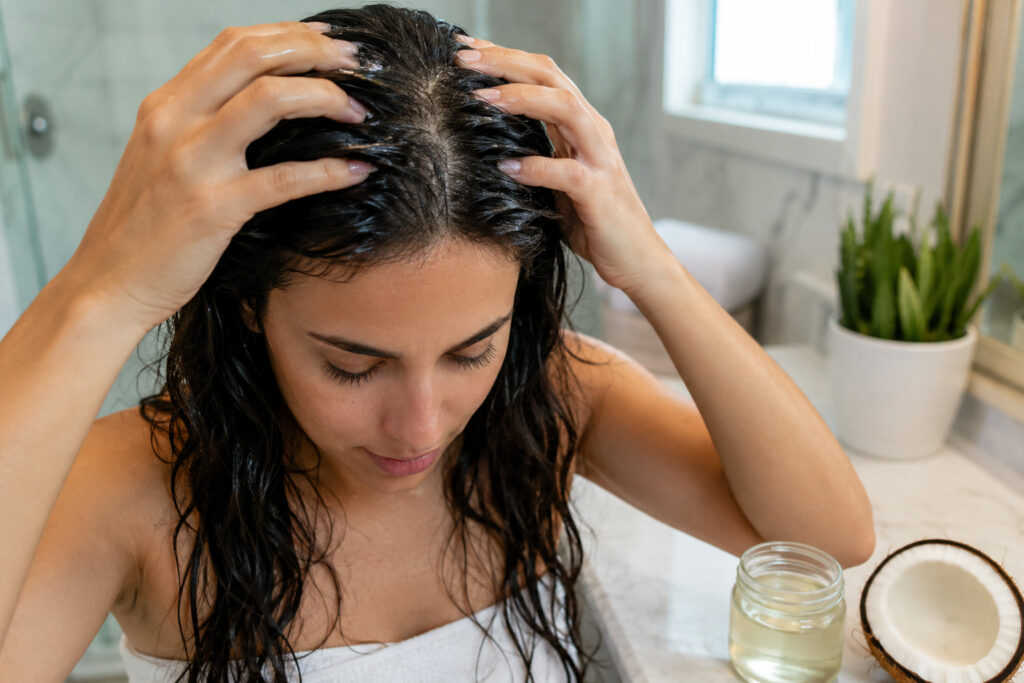
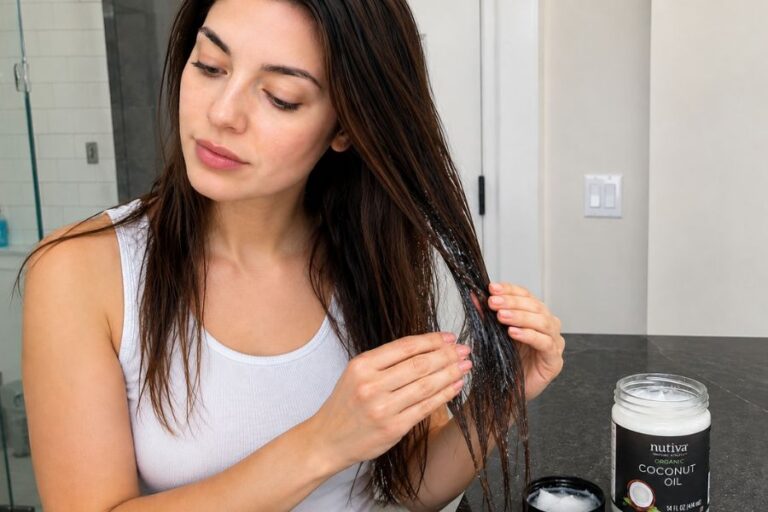
Virgin coconut oil showed antifungal activity similar to ketoconazole in one clinical study, according to research published in the International Journal of Dermatology in 2015.
Massaging a small amount into your scalp and rinsing it out can help some cases of plain dandruff. But be careful here. Oil can actually make seborrheic dermatitis worse, since that condition is tied to excess oil already. If your flaking looks more like a red, oily rash, skip the oil and see a dermatologist instead.
Gentle Scalp Care Habits During a Flare Up
Wash your hair regularly rather than skipping washes, since buildup can make flaking worse. Avoid scratching, even when it is tempting. Skip tight hairstyles and heavy styling products during a flare up. Be gentle with heat tools until your scalp calms down.
When to See a Dermatologist
Some situations call for professional care rather than home treatment.
Warning Signs That Need Professional Care
See a dermatologist if over the counter shampoos have stopped helping. Also see one if your scalp becomes painful, red, or swollen. Sudden or worsening shedding is another reason to book an appointment. Thick, greasy flakes that will not clear up are worth checking too.
What a Dermatologist Can Check That You Cannot at Home
A dermatologist can examine your scalp closely and rule out other causes. They can prescribe stronger medicated treatments than what you can buy over the counter. They can also check whether your hair loss pattern points to something like androgenic alopecia rather than dandruff alone.
Frequently Asked Questions
Can dandruff shampoo help with hair loss?
Dandruff shampoo can help reduce shedding that is linked to scalp irritation and inflammation. It does this by treating the underlying dandruff, not by directly regrowing hair. If your hair loss has a different cause, dandruff shampoo alone will not fix it.
What is the difference between dandruff and scalp psoriasis?
Dandruff causes small white or yellow flakes with mild itchiness. Scalp psoriasis causes thick, silvery scales in raised, well defined patches. Psoriasis usually needs prescription treatment, while dandruff often responds to over the counter medicated shampoo.
Is dandruff related hair loss permanent?
No, dandruff related hair loss is not permanent. Once you treat the underlying dandruff and the inflammation settles down, normal hair shedding patterns typically return within a few weeks to a few months.
What are the signs my hair loss is caused by dandruff?
Signs include more hair in your brush, more shedding during shampooing, and an itchy or oily scalp alongside visible flakes. If you notice bald patches or sudden severe shedding instead, dandruff is probably not the main cause.
Why does scratching my scalp make my hair fall out?
Scratching irritates your scalp and physically damages the hair follicle at the root. Repeated scratching weakens the follicle enough that hair can release earlier than it normally would. The itch does not pull hair out. Your scratching does.
I have had dandruff for months and now I am noticing a lot more hair in my brush than usual. How do I know if this is just from the dandruff or if something else is going on?
More hair in your brush alongside ongoing flaking and itchiness usually points to dandruff related shedding. Watch for red flags like bald patches or sudden severe loss instead. If you only see general thinning with no flaking, ask a dermatologist to check for other causes.
I switched to a medicated dandruff shampoo three weeks ago and my flakes are better, but my hair still seems to be shedding more than before I started. Is that normal?
Yes, this is often normal in the first few weeks. New shampoos can loosen buildup and release hair that was already due to shed. This temporary increase usually settles down once your scalp fully adjusts, typically within four to six weeks.
Conclusion
Dandruff and hair loss are connected, but not in the way most people assume. Dandruff itself is rarely the direct cause of hair falling out. Scratching, inflammation, and stress are usually the real drivers behind the shedding you notice.
Three things to remember. First, treating your dandruff properly usually resolves the related shedding within a few months. Second, learn to tell dandruff related hair loss apart from other causes using the signs covered in this guide. Third, see a dermatologist if your symptoms do not improve or if you notice any red flags along the way.