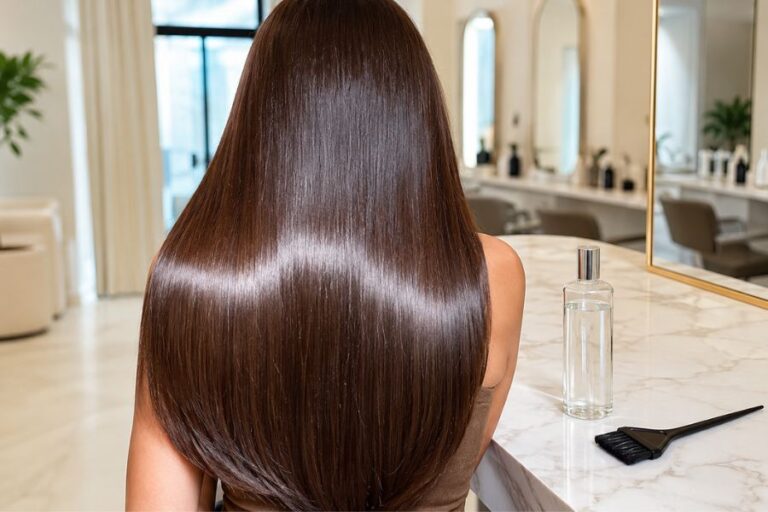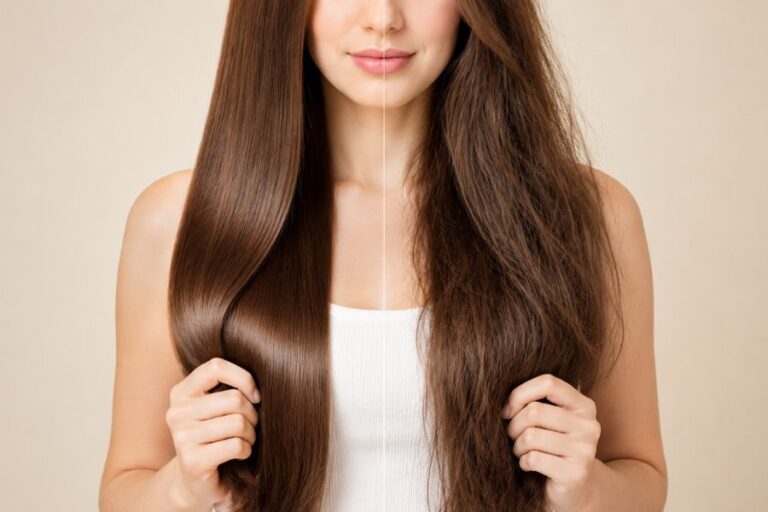
A keratin hair treatment is a chemical salon service. It smooths your hair cuticle. It bonds keratin protein to each strand using heat. This bond is temporary. The result is straighter, shinier, more manageable hair. It usually lasts three to six months. Have you ever wondered what a keratin hair treatment actually does to your hair? The short answer involves protein, chemistry, and a flat iron working together.
This guide covers what really happens during the appointment. It covers the genuine benefits too. It also covers the safety risks most salon blogs skip over. You will learn how to spot hidden formaldehyde on a label. You will learn where FDA regulation actually stands right now. You will learn how this treatment compares to a relaxer. By the end, you will know exactly what you are signing up for.
✔ Key Takeaways
- A keratin hair treatment smooths your cuticle. It bonds protein to your hair using heat. Results usually last three to six months.
- Some products labeled formaldehyde free have still tested positive for the chemical under a different name.
- Research from 2022 links frequent chemical straightener use to a higher risk of uterine cancer.
- The FDA proposed a ban on formaldehyde releasing hair products in 2024. Enforcement is still unfolding.
- A keratin treatment is temporary. This makes it different from a relaxer, which permanently changes your hair’s structure.
What Is a Keratin Hair Treatment?
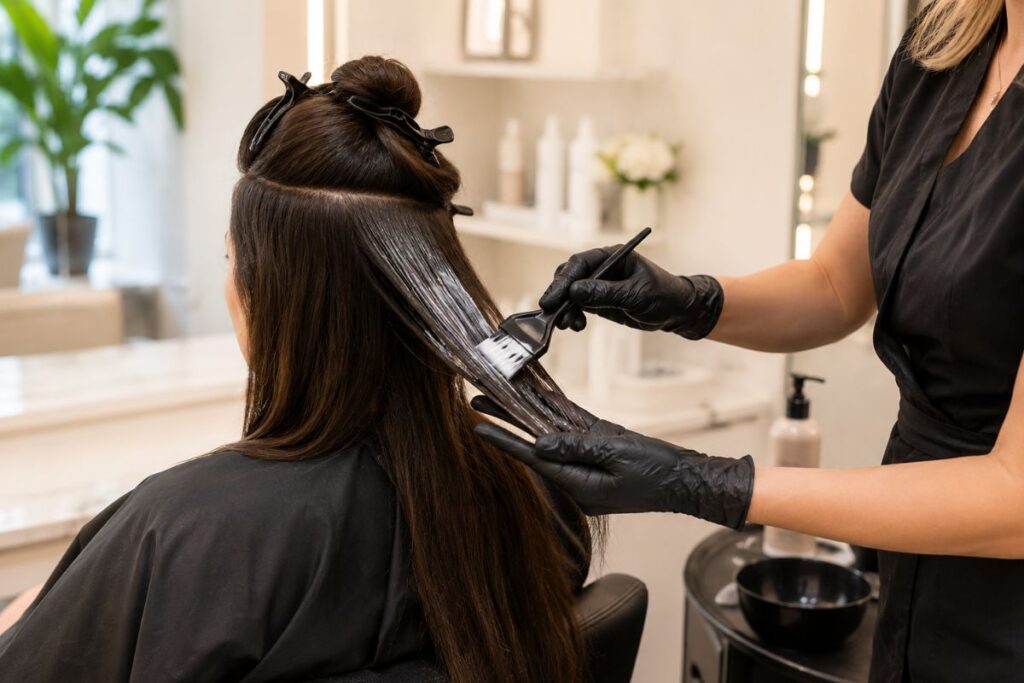
A keratin hair treatment is a chemical service. It smooths your cuticle. It adds protein back into your hair shaft. Heat locks that protein into place.
Keratin is not something added from outside your body. It is the same protein your hair, skin, and nails are naturally made from. Treatments replenish it using keratin from wool, feathers, or horns. This protein bonds temporarily to your existing hair strands. It fills in gaps left by damage.
How Does a Keratin Treatment Actually Work?
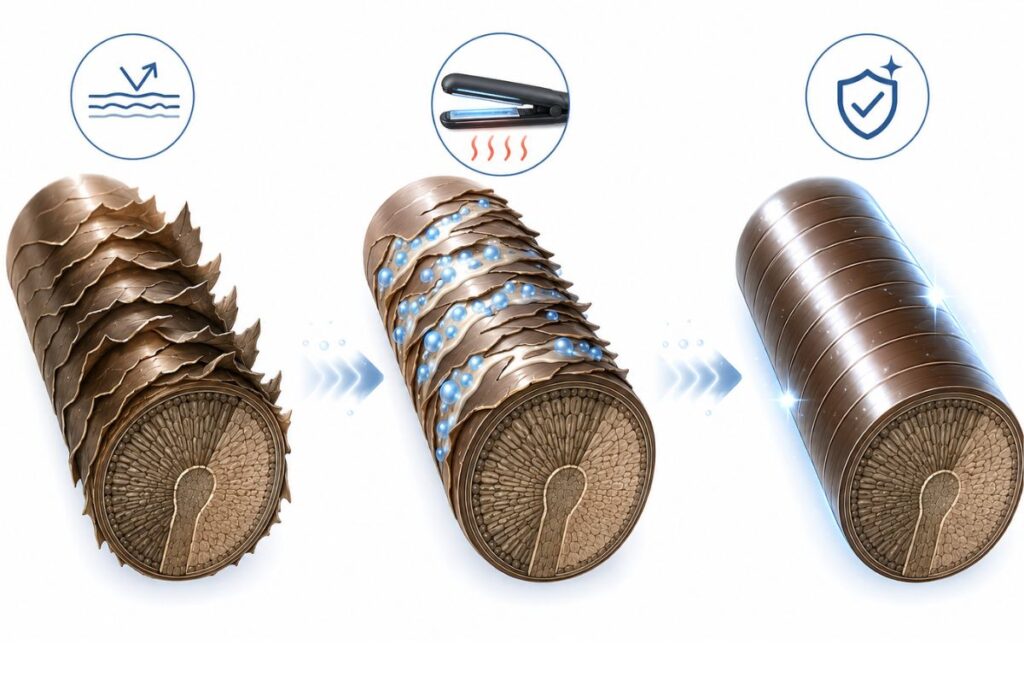
A keratin treatment combines a protein rich cream with heat. Together, they reshape the outer layer of your hair. Here is the chemistry behind that process.
Many keratin creams contain formaldehyde. Some contain a related chemical instead, called methylene glycol. This chemical releases formaldehyde gas once it gets heated, according to the U.S. Food and Drug Administration. That gas actually bonds the keratin to your hair. This creates the smooth, straight finish you see afterward.
Heat is the step that makes everything happen. Flat ironing your hair activates the chemical bond. That bond forms between the keratin and your strand. That same heat also releases formaldehyde at its highest level. This is exactly why the safety section later in this guide matters so much.
What Happens During a Keratin Treatment: The Application Process Step by Step
A keratin treatment follows a specific sequence at the salon. Understanding it helps you know what you are actually paying for.
Step 1: Your stylist washes your hair with a clarifying shampoo. This removes product buildup so the treatment can absorb evenly.
Step 2: Your hair gets sectioned into four to six parts. This makes sure every strand gets even coverage.
Step 3: The keratin cream gets applied section by section. Your stylist works from root to tip.
Step 4: The product sits on your hair for 20 to 30 minutes. The exact time depends on the formula.
Step 5: Your stylist blow dries your hair completely straight. All moisture must be removed before the next step.
Step 6: Each small subsection gets flat ironed at high heat. This is the step that seals the treatment into your hair.
Step 7: Some formulas need a final rinse. Formaldehyde free versions often skip this step entirely. Ask your stylist which type you are getting.
The full appointment typically takes one and a half to three hours. The exact time depends on your hair’s length and thickness. Once the process finishes, results usually last three to six months. Your hair slowly returns to its natural texture as it grows out and gets washed. You will not see the harsh regrowth line that comes with a permanent relaxer.
What Are the Real Benefits of a Keratin Treatment?
A keratin treatment offers three real benefits for most hair types.
Your hair becomes noticeably smoother, straighter, and shinier. The cuticle smoothing effect reduces frizz. It reflects light more evenly too. This gives your hair a glossy finish that can last for months.
Your hair also dries much faster after washing. Some people say it cuts their normal drying time in half. That means less daily heat exposure from your own blow dryer or flat iron.
Finally, your hair often feels stronger. It looks thicker too. Replenishing keratin protein helps prevent breakage at the ends. Hair that breaks less looks like it is growing faster. You simply keep more of the length you already have.
Is a Keratin Treatment Bad for Your Hair? The Safety Risks Explained
A keratin treatment is not automatically bad for your hair. But the chemicals inside many formulas carry real health risks. These are worth understanding before you book one.
Formaldehyde exposure during the treatment can cause several problems. It can cause headaches and dizziness. It can also cause eye and throat irritation, along with coughing, according to the FDA. In rare documented cases, exposure has led to more serious harm. A 2021 case study reported that a 13 year old girl suffered kidney injury. She had used a keratin product marketed as formaldehyde free, according to a case report published on PMC through the National Institutes of Health.
The cancer research deserves your full attention too. A study covering data through 2019 linked frequent chemical straightener use to higher breast cancer risk. Research from 2021 pointed to a possible link with ovarian cancer. Then in 2022, researchers found something striking. Women using chemical hair straightening products four or more times a year had more than double the risk of uterine cancer, compared to women who did not use these products, according to research published by the National Institutes of Health. That same research found Black women faced a much higher risk. These products are marketed more heavily within that community.
Pregnant women should avoid keratin treatments entirely, given these findings. Anyone with asthma or breathing sensitivity should also think twice. Stylists who do this service daily in a poorly ventilated salon face the highest exposure of anyone in the room.
How to Spot Hidden Formaldehyde on an Ingredient Label
You can find hidden formaldehyde on a label. Just check for a few specific chemical names, even when the front of the bottle says formaldehyde free.
The Chemical Names Formaldehyde Hides Behind
Formaldehyde often hides under different names on an ingredient list. Look for methylene glycol, formalin, methylene oxide, paraform, formic aldehyde, methanal, and oxomethane. If you see any of these listed, the product acts the same way formaldehyde does when heated.
Formaldehyde free labeling has been misleading before, and one case makes this especially clear. The FDA sent a warning letter to the makers of Brazilian Blowout, one of the most well known keratin treatment brands. The agency found that its formaldehyde free formula still contained methylene glycol, making up as much as 12 percent of the product.
This case matters because Brazilian Blowout marketed its product directly as formaldehyde free at the time. Salons and clients trusted that label. The only reliable way to know what you are putting on your scalp is to read the ingredient list. Do not just trust the front label, even from a well known brand.
Where Does FDA Regulation on Keratin Treatments Stand in 2026?
The FDA proposed a rule in 2024. It aims to ban hair smoothing and straightening products that contain or release formaldehyde, according to the FDA’s own guidance on these products. Full enforcement has continued to unfold in the years since.
This is not the FDA’s first attempt at fixing this problem. Warning letters about formaldehyde in keratin products date back to 2011. Concerns about weak enforcement have lasted for over a decade. As of 2026, formaldehyde containing products remain available in many salons and stores. The rule is still working through its finalization process. This means the job of checking ingredients still mostly falls on you as the consumer.
What this means in practice is simple. Do not assume a product is safe just because a ban has been proposed. Ask your salon directly which formula they use. Check the ingredient list yourself using the chemical names covered above.
Keratin Treatment vs Hair Relaxer vs Japanese Straightening
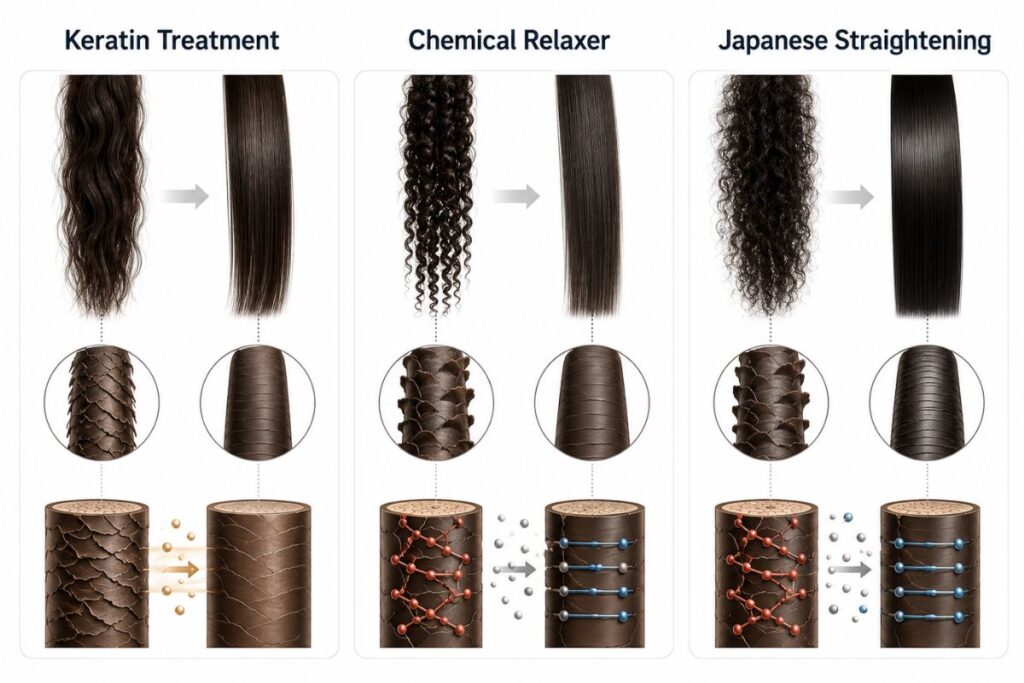
A keratin treatment differs from a relaxer and Japanese thermal straightening in one key way. Each one changes your hair’s actual structure differently.
A keratin treatment coats and temporarily bonds protein to your hair using heat. It does not permanently change your hair’s internal bonds. A chemical relaxer works completely differently. It uses ammonium thioglycolate or sodium hydroxide. These chemicals permanently break the disulfide bonds inside your hair. That is why relaxed hair never returns to its original curl pattern. Japanese thermal straightening also permanently changes your hair’s bonds. It uses a different chemical process combined with heat styling.
| Treatment Type | How It Works | Permanence | Regrowth Line | Typical Duration |
| Keratin Treatment | Coats hair and bonds protein using heat | Temporary | No harsh line | 3 to 6 months |
| Chemical Relaxer | Permanently breaks internal hair bonds | Permanent | Visible line requiring touch ups | Permanent until cut out |
| Japanese Thermal Straightening | Permanently alters bonds using heat and chemistry | Permanent | Visible line requiring touch ups | Permanent until cut out |
Because a keratin treatment is temporary, it grows out slowly. Your natural texture returns bit by bit. A relaxer or Japanese straightening service works differently. It creates a hard line between your treated hair and your new growth. That is exactly why those two options need more frequent touch up appointments.
How Much Does a Keratin Treatment Cost?
A keratin treatment in the United States typically costs between 300 and 800 dollars per session. This does not include tip.
Your final price depends on a few things. It depends on your hair’s length and thickness. It also depends on the salon’s location and pricing tier. Longer or thicker hair needs more product and more time. This pushes the cost toward the higher end of that range.
To get the most value from that cost, most stylists suggest one simple rule. Limit keratin treatments to no more than three times per year. This protects your hair from repeated chemical damage. It also limits your overall exposure to the formaldehyde releasing ingredients covered earlier in this guide.
How to Care for Hair After a Keratin Treatment?
Caring for your hair correctly after a keratin treatment matters a lot. It decides whether your results last the full six months or fade within weeks.
For the first three to four days, avoid washing your hair completely. Skip ponytails and hair clips too. Do not even tuck your hair behind your ears. Any bend or pressure can leave a lasting crease while the treatment is still setting.
For long term care, switch to a sulfate free and sodium chloride free shampoo. Regular shampoo strips the treatment out faster. Avoid chlorinated pools and salt water whenever possible. Try to limit washing to two or three times per week rather than daily.
Is a Keratin Treatment Right for Your Hair Type?
A keratin treatment works best on thick, coarse, or very frizzy hair. The change is most dramatic and visible on these hair types.
If your hair is already fine or naturally straight, you may notice only a small difference. That difference may not feel worth the cost and chemical exposure involved. Thicker and more textured hair types tend to see the biggest payoff. Keratin treatments target frizz and unruly texture directly. Finer hair simply does not have as much of either one.
Frequently Asked Questions
How long does a keratin treatment last?
A keratin treatment usually lasts three to six months. The exact time depends on your hair type. It also depends on how often you wash it and which products you use afterward. Sulfate free shampoo and less frequent washing both help extend your results.
What is the difference between a keratin treatment and a Brazilian blowout?
A Brazilian blowout is a specific brand and type of keratin treatment. Keratin treatment is the broader category of service. Both work through similar chemistry. Formulas and formaldehyde levels can vary a lot between specific brands and products.
Are formaldehyde free keratin treatments actually safe?
Some formaldehyde free treatments are genuinely safer. But not all of them are. Certain products labeled formaldehyde free have tested positive for methylene glycol. This chemical releases formaldehyde when heated. Always check the actual ingredient list before assuming a product is safe.
I have naturally curly hair and I’m considering a keratin treatment to reduce frizz, but I read that some products still contain formaldehyde even when labeled formaldehyde free. How do I actually check if a product is safe before I book an appointment?
Ask your salon for the exact product name. Check its ingredient list for methylene glycol, formalin, or methanal before booking. These names signal formaldehyde exposure, even on a product marketed as formaldehyde free. Your stylist should be able to answer this honestly.
I’m a hairstylist and I do keratin treatments on clients several times a week. Should I be worried about my own long term health from repeated formaldehyde exposure, even if I’m not the one getting the treatment done?
Yes, your exposure risk is real and it adds up over time. Formaldehyde releases most heavily during the flat ironing step you perform again and again. OSHA sets workplace formaldehyde exposure limits for exactly this reason. Proper salon ventilation and protective gear matter for your long term health.
Conclusion
A keratin hair treatment can genuinely transform frizzy or unmanageable hair. It becomes smoother and easier to style. That benefit is real for many women. But the full picture includes chemistry, possible formaldehyde exposure, and cancer research. Most salon websites simply do not mention any of this.
Remember three things before you book. First, always check the actual ingredient list. Do not just trust the formaldehyde free label on the front of the bottle. Second, understand that this treatment is temporary. It differs from a permanent relaxer, so your natural texture will return within months. Third, limit these treatments to no more than a few times a year. This protects both your hair and your health.