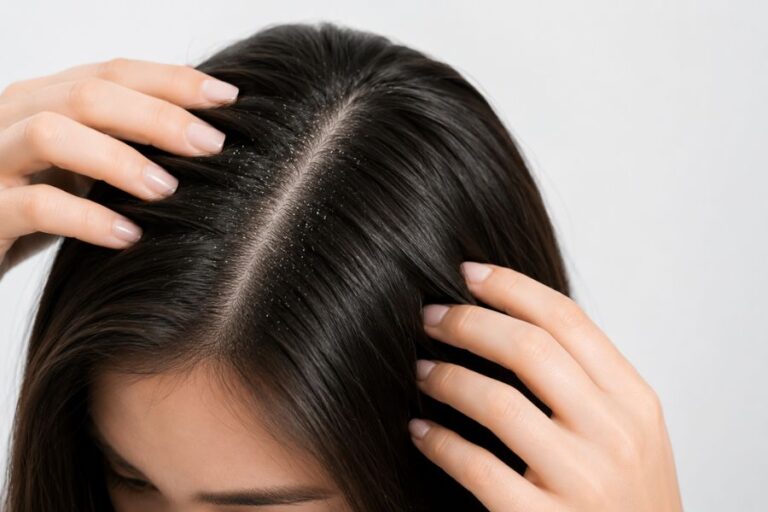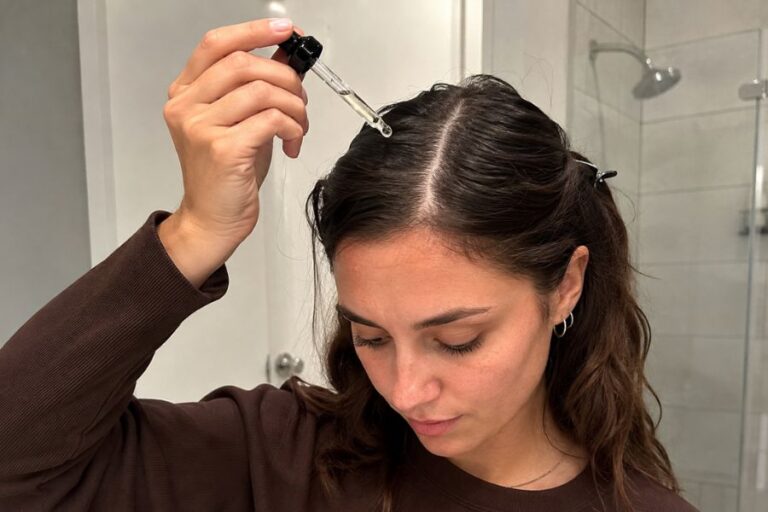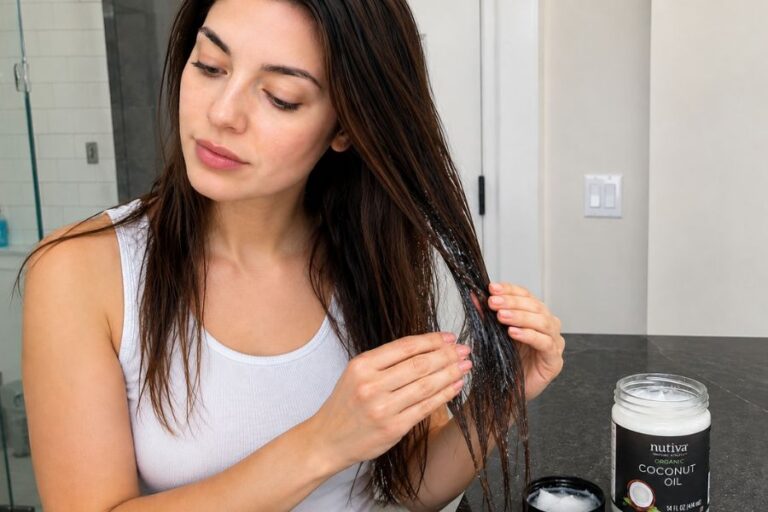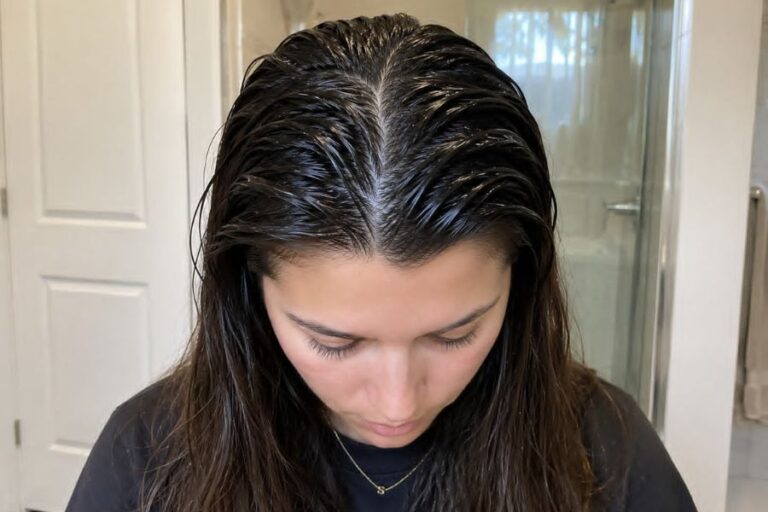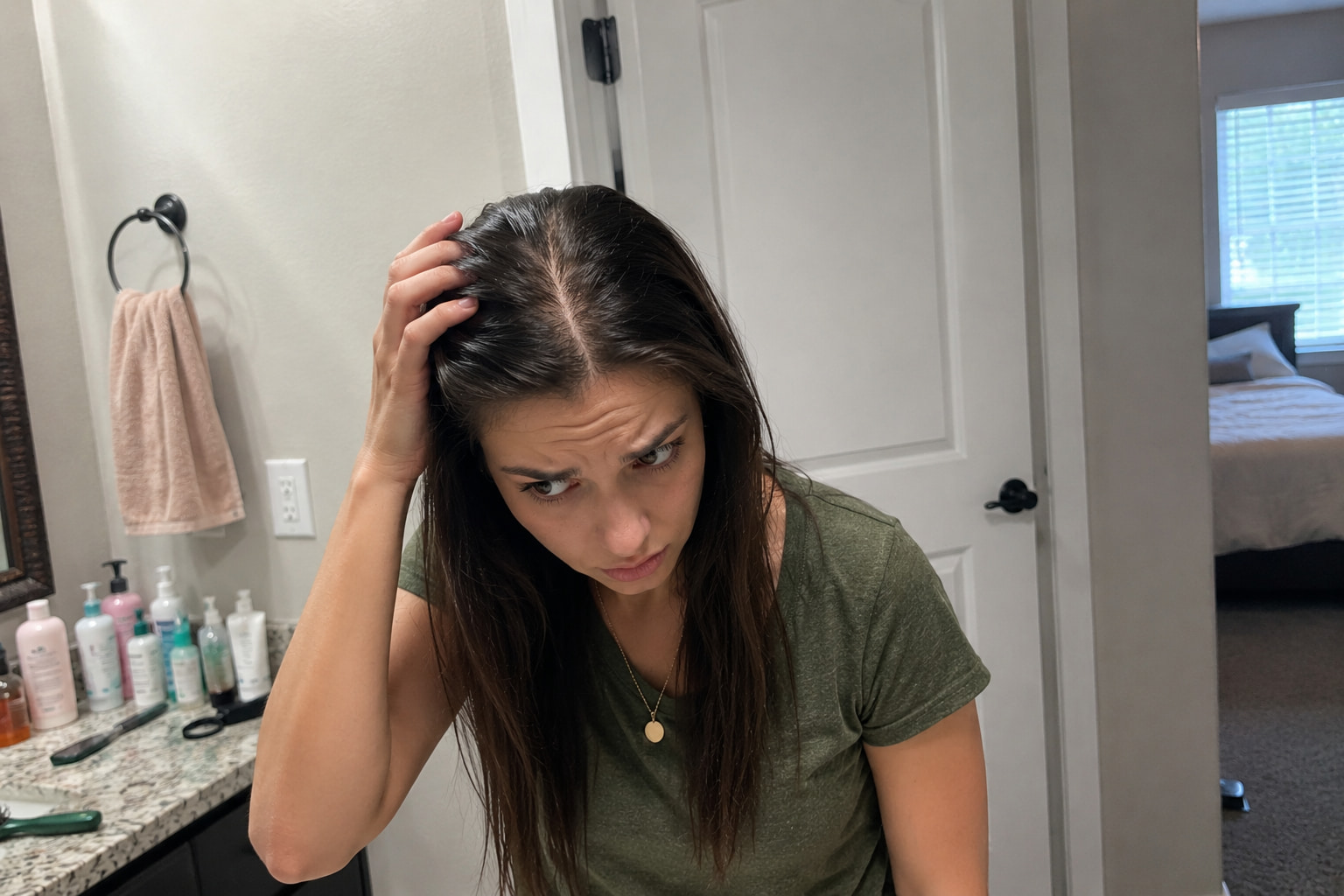
Oily hair happens when sebaceous glands on your scalp make more sebum than your hair actually needs. This oil builds up fast. It leaves your hair looking flat and greasy. Genetics drives most of this. Your daily habits, the weather, and your product choices decide how quickly it shows up.
Do you wash your hair and feel like it looks oily again by the next morning? You are not doing anything wrong. This guide covers everything you need to know about oily hair in one place. You will learn the real causes. You will learn a 5 minute fix for busy mornings. You will find the best shampoo and conditioner picks. You will also learn home remedies backed by real evidence and which oils to avoid completely.
✔ Key Takeaways
- Oily hair happens when your scalp makes more sebum than your hair needs. Genetics drives most of this.
- Oily scalp and oily hair are related. But they are not the same thing.
- You can beat greasy hair in 5 minutes flat. The right dry shampoo trick makes it easy.
- Salicylic acid, selenium, and sulfur are the shampoo ingredients that actually work.
- Humidity, sweat, and heavy oils can all make oiliness worse. This is true even when genetics is not your main problem.
Oily Hair
Oily hair is hair that looks greasy and feels flat. This happens because your scalp produces more oil than it needs. This oil is called sebum.
Why Genetics Drives Most of It
Genetics plays the dominant role in how oily your hair gets. The number of sebaceous glands on your scalp stays roughly the same throughout your life, but how active they are changes with age and hormone levels, according to research published by the National Institutes of Health.
Some people are simply born with bigger glands, or glands that respond more strongly to hormones, and that difference is built into your biology from birth. This is not something you caused. It is simply how your body works. It also explains why oily hair often runs in families, since the traits behind it are inherited the same way eye color or skin type are.
What Causes Oily Hair?
Want the full science behind this? Our guide on why does my hair get oily so fast breaks down the biology, hormones, and daily habits in much more depth.
Oily hair comes down to three things working together. Your genetics set your baseline. Your hormones can raise or lower that baseline. Your daily habits decide how fast the oil actually shows up.
Puberty, high testosterone, ovulation, stress, and hormone medications like birth control can all increase oil production, notes Columbia University’s Go Ask Alice health service. Certain habits make things worse too. Heavy gel, unmedicated keratin treatments, and over oiling your scalp can all add to the problem.
Want the full science behind why your hair gets oily so fast? Read our complete breakdown of the biology, hormones, and daily habits behind oily hair for the deep dive.
Oily Scalp vs Oily Hair: What Is the Real Difference?
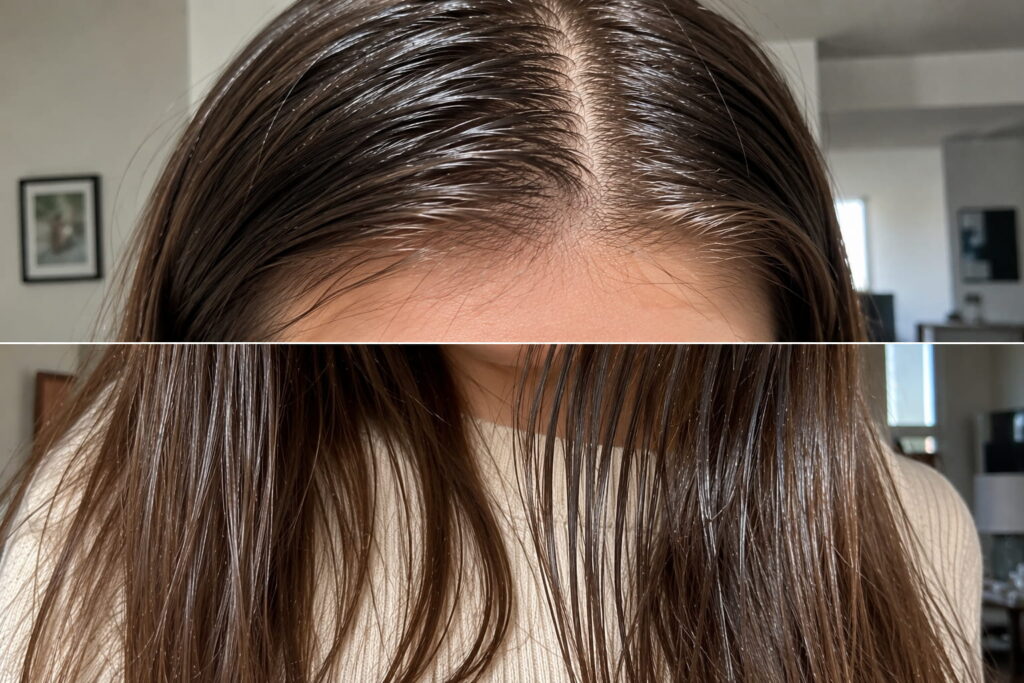
Oily scalp and oily hair are related. But they are not the same thing. Oily scalp is about your roots. Oily hair is about your strands.
Oily Scalp: Excess Sebum at the Root
Oily scalp means your sebaceous glands make too much sebum right at the root. This can come with dandruff. It can also come with an itchy, irritated feeling on your scalp.
Oily Hair: How That Sebum Spreads Down the Strand
Oily hair describes what happens once that excess sebum travels down your hair shaft. Your hair starts to look greasy along its length. This happens even when your scalp itself is not producing extra oil. Heavy styling products can also make this worse.
How to Make Your Hair Not Look Greasy in 5 Minutes
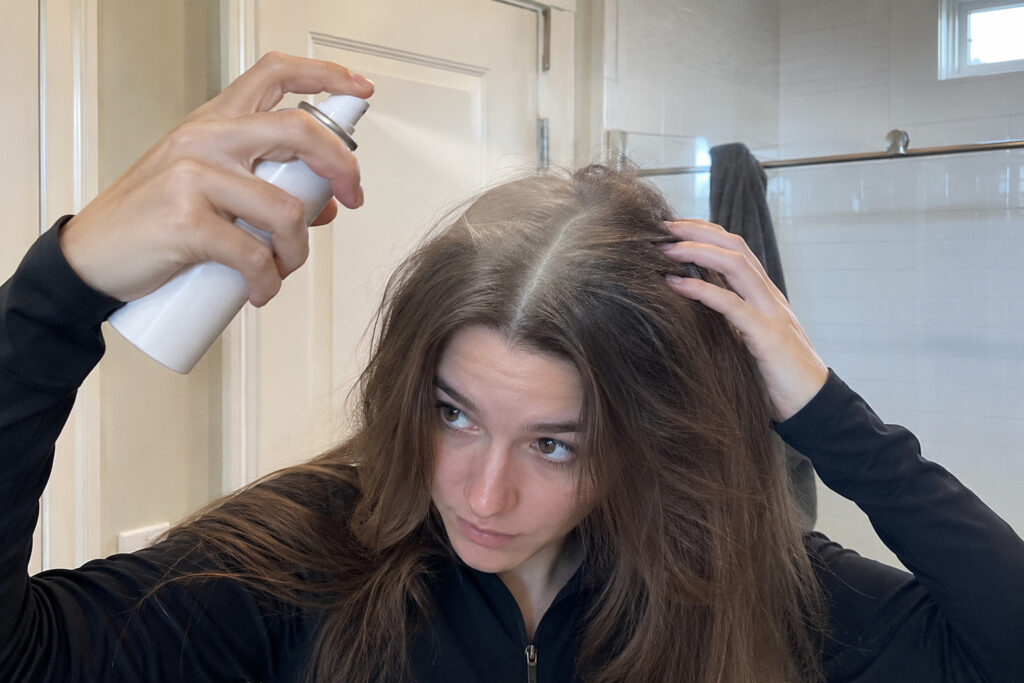
You can fix greasy looking hair in 5 minutes. Use dry shampoo the right way. Here is exactly how.
The Dry Shampoo Speed Method
Step 1: Section your hair into two or three parts. This lets you reach your roots directly.
Step 2: Spray dry shampoo about six inches from your scalp. Focus only on the oiliest areas.
Step 3: Wait one full minute. This gives the formula time to absorb the oil.
Step 4: Massage your scalp with your fingertips. This works the product in and breaks it up.
Step 5: Flip your head upside down. Shake out any excess powder. Then style as usual.
No Dry Shampoo? Try These Backup Tricks
Baby powder works in a pinch. Apply a small amount at your roots the same way. Teasing your roots with a comb adds volume. It also hides flatness. A quick high bun or half up style pulls attention away from oily roots instantly.
What Shampoo Is Good for Oily Hair?
The best shampoo for oily hair contains ingredients that target excess sebum directly. Look for salicylic acid, selenium, or sulfur on the label.
The Ingredients That Actually Work
Salicylic acid, selenium, and sulfur are considered the most effective sebum fighting ingredients for oily hair.These ingredients help break down oil buildup. They do not just mask it temporarily.
Should You Use Sulfate Free Shampoo for Oily Hair?
This feels like a contradiction. Sulfates are known for cutting through oil. But sulfate free shampoo can still work well for oily hair. It just needs other oil fighting ingredients instead. Check the full ingredient list. Do not assume sulfate free automatically means gentler or less effective.
Choosing the Right Conditioner Without Adding More Oil
Put conditioner for oily hair on your mid lengths and ends only. Never put it on your roots. Your scalp already makes plenty of its own natural conditioner. Look for lightweight, oil free formulas. These will not weigh your hair down further.
Clarifying Shampoo: How Often Is Too Often
Use clarifying shampoo once a week at most. Dermatologists commonly note that overusing harsh cleansers can strip the scalp and lead to more irritation and oil production over time. This one rule prevents the most common clarifying shampoo mistake.
| Ingredient | What It Does | Best For | How Often to Use |
| Salicylic acid | Breaks down oil and unclogs follicles | Oily scalp with buildup | 2 to 3 times a week |
| Selenium sulfide | Reduces oil and fights flaking | Oily hair with dandruff | 2 times a week |
| Sulfur | Controls oil production at the source | Very oily, resistant scalps | 2 to 3 times a week |
| Sulfate cleansers | Strips oil thoroughly | Fast greasy hair, straight textures | Daily to every other day |
| Clarifying formulas | Removes deep buildup and residue | Product heavy routines | Once a week max |
Hair Oils and Serums to Avoid
Some hair products marketed as nourishing can actually make oily hair worse. Knowing what to skip matters as much as knowing what to use.
Heavy Silicones and Rich Botanical Oils
Heavy silicones sit on top of your hair and scalp. They do not absorb. This traps oil underneath and makes greasiness worse over time. Rich botanical oils like coconut oil or argan oil are wonderful for dry ends. But applying them near your roots on an oily scalp adds fuel to the problem. Check labels for dimethicone and similar silicone names.
Thick Leave-In Creams Applied at the Root
Thick, cream based leave-in conditioners are built for dry, thirsty ends. They are not built for oily scalps. Applying them at your roots creates a double layer of oil. Save these products for your mid lengths and ends only.
Scalp Exfoliation for Oily Hair
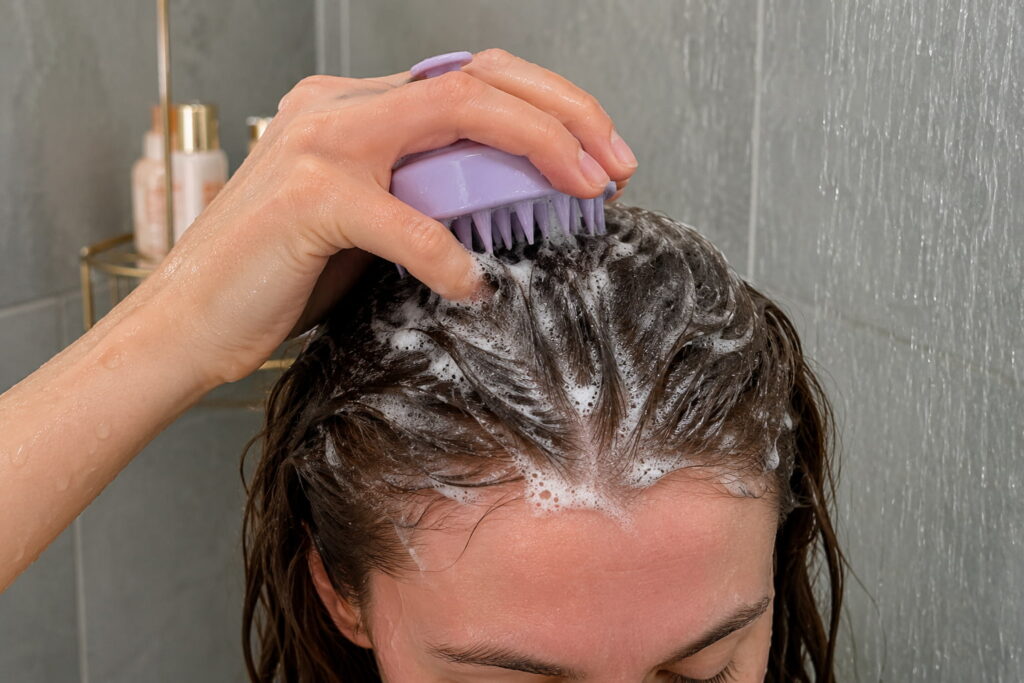
Scalp exfoliation removes buildup that regular shampoo leaves behind. It has become one of the most talked about steps in oily hair care.
What Scalp Exfoliation Actually Does
Regular shampoo cleans the surface. It does not always fully clear dead skin cells or product residue near the follicle. Exfoliating treatments lift this buildup away. This can leave your scalp genuinely cleaner, not just temporarily oil free.
Physical Scrubs vs Chemical Exfoliants
Physical scalp scrubs use small granules to buff away buildup. They work well once a week for most oily scalps. Chemical exfoliants use ingredients like salicylic acid to dissolve buildup instead. This can feel gentler on sensitive scalps. Use either option once or twice weekly at most. Over-exfoliating can trigger the same oil rebound effect that overwashing causes.
Environmental and Lifestyle Triggers
Your genetics set the baseline for oily hair. But your environment and daily life can push oiliness even higher.
Humidity and Seasonal Shifts
Humidity is one of the leading causes of oilier feeling hair and skin. You may notice your hair getting oilier faster in humid summer months. This can happen even without changing your routine at all.
Sweat and Workouts
Sweat mixes with your scalp’s natural oil. This can make hair look and feel greasy faster after exercise. This happens even on days you would otherwise skip washing. Rinse your scalp with water after a sweaty workout. Even without a full shampoo, this helps remove buildup before it settles in.
How Climate Should Change Your Wash Frequency
Do you live somewhere hot and humid most of the year? You may need to wash more often than someone in a cooler, drier climate. Adjust your routine by season. This often solves oiliness that feels unpredictable.
Common Oily Hair Myths, Debunked
A few persistent myths about oily hair lead people toward habits that make the problem worse instead of better.
Myth: Brushing your hair spreads oil down the length. This is partly true. But it is not entirely bad news. Brushing does help move some natural oil from your roots down your strands. This can actually help condition dry ends. The real problem is overbrushing, which spreads too much oil too fast.
Myth: Oily hair means your hair is dirty. Oily hair is a biological process. It is not a hygiene failure. You can wash daily and still have oily hair by evening. Your glands simply keep producing sebum after you rinse it away.
Myth: You should skip conditioner entirely if you have oily hair. Skipping conditioner completely often backfires. Dry, damaged ends can trigger your scalp to overcompensate with even more oil. The fix is applying conditioner only to your mid lengths and ends.
Myth: Curly or textured hair cannot be oily. Curly and coily hair can absolutely be oily at the scalp. This can happen even while the ends stay dry. The curl pattern itself slows oil from traveling down the strand.
Home Remedies for Oily Hair
Two home remedies for oily hair actually have real evidence behind them. Apple cider vinegar and green tea both show promise for reducing scalp oil.
Apple Cider Vinegar Rinse
Apple cider vinegar may help balance your scalp’s pH level. This can discourage the yeast and bacteria that thrive in oily conditions. Mix one to two tablespoons with a cup of water. Pour it over your scalp after shampooing. Then rinse thoroughly.
Green Tea Rinse
A clinical study of 20 volunteers found that a green tea hair tonic significantly lowered scalp sebum after 21 and 28 days of use, in a randomized, placebo controlled trial published in the Journal of Cosmetic Science 2016. Researchers believe green tea’s activity against androgen related oil production may explain this effect. More research is still needed to confirm exactly how it works in a wider group of people.
Hairstyles That Work Best for Oily Hair
The right hairstyle can hide oily roots almost completely. This works even on a day you cannot wash your hair.
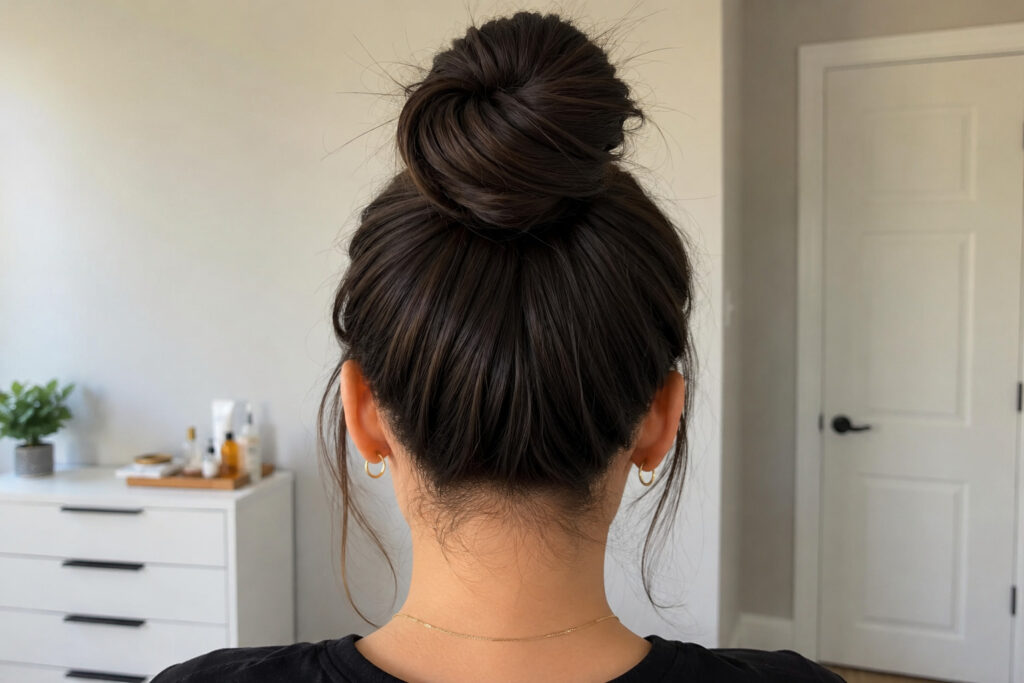
Braids, Buns, and Updos That Hide Roots Well
A sleek high bun pulls hair away from your face. It hides oily roots in seconds. French braids work especially well too. The braid pattern itself disguises texture and oil at the root. A middle part paired with a low ponytail also keeps oily strands close to your head.
Styles to Avoid When Hair Is Freshly Oily
Skip anything that leaves your roots fully exposed and loose. A simple half up style with no volume added first is a good example. Sleek, flat styles without texture also tend to highlight oil rather than hide it.
Oily Hair With Dandruff: What You Need to Know
Oily hair and dandruff often show up together. Dry ends can happen at the same time as oily roots.
Why Oily Scalp and Dandruff Often Overlap
Excess sebum can feed the yeast that contributes to dandruff. This is why oily scalp and flaking frequently appear as one combined problem, not two separate ones. If your scalp feels oily but your ends feel dry and brittle, that is not unusual either. This kind of uneven moisture distribution is common, especially for curly and coily hair types where oil struggles to travel the full length of each strand.
The Dandruff, Oil, and Hair Loss Connection
Excess oil and product buildup can clog hair follicles. This may lead to inflammation. It can potentially affect healthy hair growth over time. Oily scalp, dandruff, and heavier shedding often show up together rather than as separate problems, and hair dandruff and hair loss breaks down when that combination is routine versus when it signals something a dermatologist should look at.
Frequently Asked Questions
What causes oily hair?
Oily hair is caused mainly by genetics. Genetics controls how much sebum your sebaceous glands naturally produce. Hormones, stress, humidity, and daily habits like heavy product use can all make oiliness show up faster or worse than your natural baseline.
Is oily hair genetic?
Yes, oily hair is genetic in most cases. Genetics accounts for oily hair roughly 90 percent of the time. Some people are simply born with more active or more numerous oil glands.
What is the difference between oily scalp and oily hair?
Oily scalp refers to excess sebum produced right at your roots. It often comes with dandruff or itchiness. Oily hair describes what happens once that sebum spreads down your strands. This makes the length of your hair look greasy and limp.
How can I stop my hair looking greasy in 5 minutes?
Dry shampoo is the fastest fix. Spray it at your roots. Wait one minute for it to absorb the oil. Massage it in and shake out the excess. This method genuinely works in about 5 minutes total.
Does apple cider vinegar help oily hair?
Apple cider vinegar may help by balancing your scalp’s pH level. This can discourage oil loving yeast and bacteria. Mix it with water. Rinse it through your scalp after shampooing. Then rinse it out thoroughly for best results.
Can oily scalp cause hair loss?
Oily scalp itself does not directly cause hair loss. But excess oil and product buildup can clog follicles and lead to inflammation over time. Chronic irritation from this buildup can potentially affect healthy hair growth if left unaddressed.
My scalp gets oily within hours but I read this is 90 percent genetic. Does that mean there is nothing I can actually do about it?
Genetics sets your baseline. But you still have real control over the rest. The right shampoo ingredients, scalp exfoliation, and adjusting your routine for humidity or sweat can make a genuine difference. This is true even with a genetic tendency toward oiliness.
I have oily roots but my ends feel dry and damaged from years of coloring. Should I treat these as one problem or two separate ones?
Treat them as two separate needs within the same routine. Focus oil control products and cleansing at your roots. Focus moisture and repair treatments on your mid lengths and ends. One product rarely solves both problems well.
Conclusion
Oily hair comes down to genetics, hormones, habits, and even your environment working together. Understanding all of this gives you real control over how your hair looks day to day. This guide covered the causes, the fastest fixes, the shampoo ingredients that actually work, what to avoid, and evidence backed home remedies you can try today.
Remember three things. First, genetics drives most oily hair. Working with your biology beats fighting it. Second, a good 5 minute dry shampoo routine can save any morning. Scalp exfoliation adds real long term improvement too. Third, if oiliness shows up with dandruff or shedding, read further into what that combination might mean for your scalp health.
Explore more hair care guides on HairStyleFreek to build out a full routine that works for your specific hair type and scalp needs.