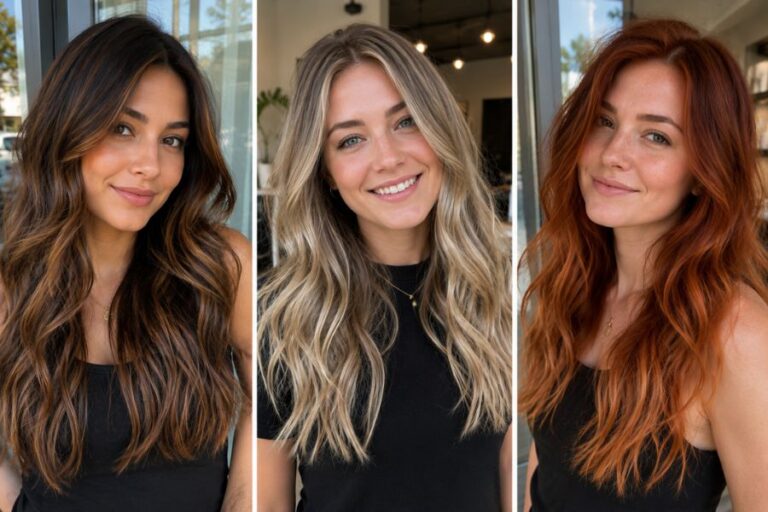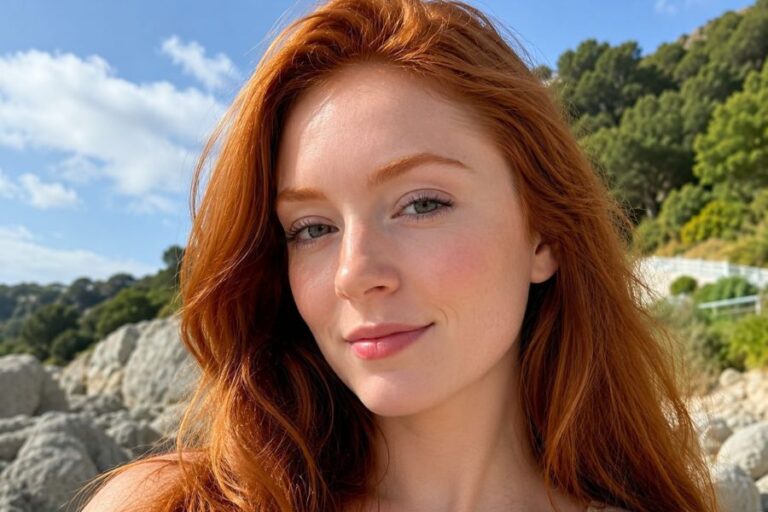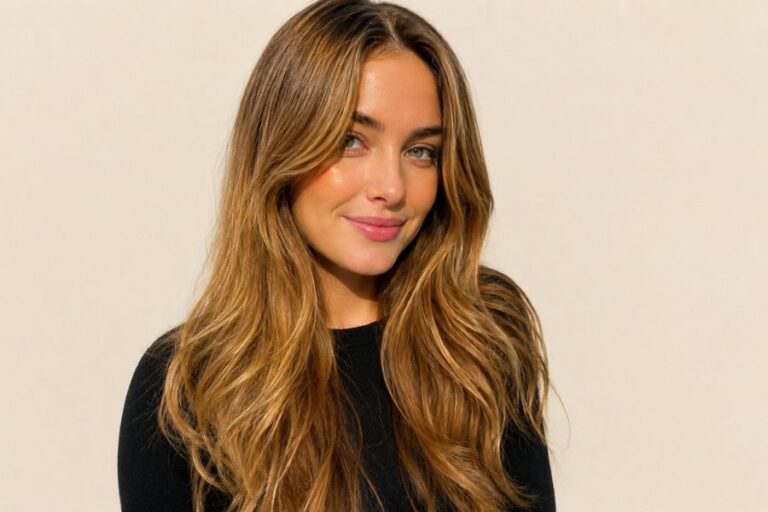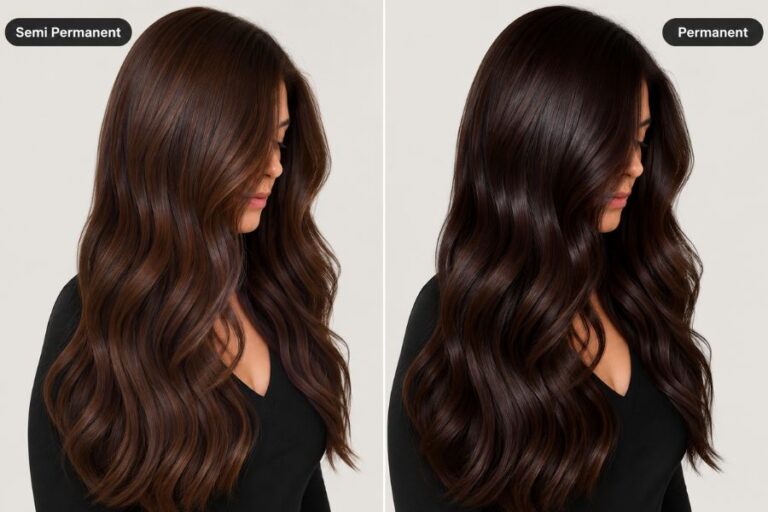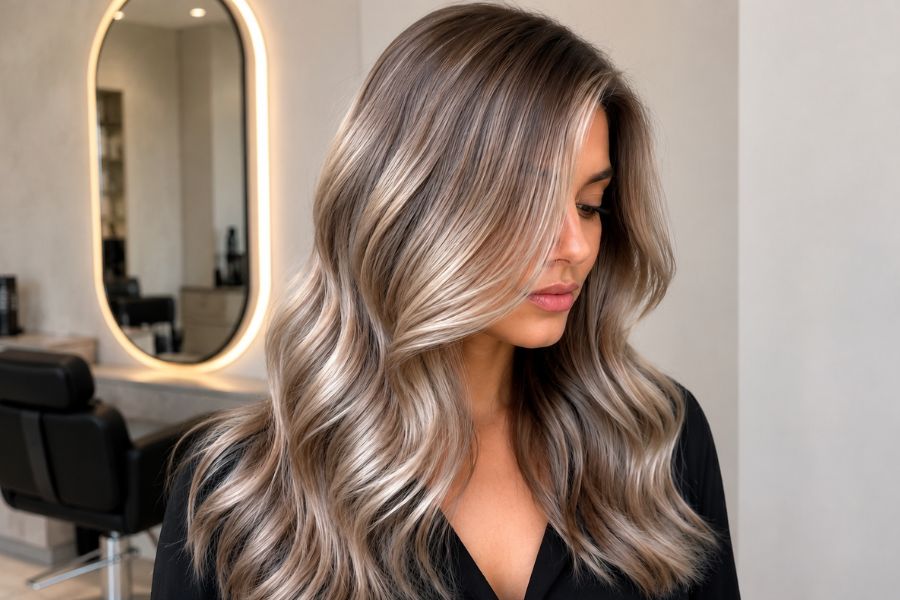
Ash blonde has become one of the most searched hair colors in 2026. It gives hair a cool, smoky finish instead of a warm, sunny one. Many people like it because it feels more modern and a bit edgier than golden blonde. Salons across the US have seen a steady rise in requests for ash blonde this year, ranging from soft mushroom tones to icy platinum.
This guide covers the full ash blonde color chart, how to get the shade safely on light or dark hair, and what suits your skin tone, eye color, and hair texture. It also includes a section for men, plus tips on maintaining the color and avoiding common mistakes like green or muddy tones.
What Is Ash Blonde Hair Color?
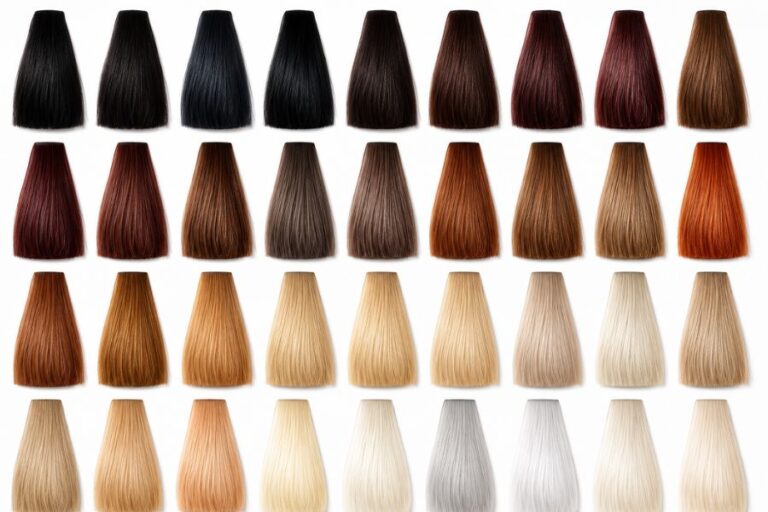
Ash blonde hair color is a cool blonde shade. It is built on gray, blue, and violet pigments, not gold or red. It sits between levels 6 and 11 on the color scale. Darker ash tones look smoky. Lighter ones look icy or almost platinum.
What makes it different is what it lacks. Most blonde hair has some warmth underneath. This happens because lightening hair always brings out red, orange, and yellow pigments hiding in the strand. Ash blonde formulas are made to fight that warmth, not work with it.
The result looks planned, not like a day at the beach. It does not try to copy sun lightened hair. It creates a look that feels styled and modern. It also feels a bit edgier than a classic honey blonde.
What’s the Difference Between Ash Blonde vs Warm, Neutral, and Beige Blonde?
Ash blonde is different from warm and neutral blondes mainly in undertone, not in lightness. Warm blondes lean into gold, honey, and copper. Ash blondes work to cancel those same tones out.
Think about how light works with each one. Warm blonde reflects light well. This is why it looks bright and glowing in photos. Ash blonde absorbs more light. This gives it a flatter, smokier look that still feels intentional, not dull.
Beige blonde sits in the middle. It mixes soft ash with warm champagne tones. This makes it a flattering pick for people who are not sure which side suits them. Ash blonde goes all in on the cool side. It works best on people whose skin and eyes can handle that contrast.
Why Does Ash Blonde Work? The Color Science Behind It
Ash blonde works because of basic color theory. Violet and blue sit across from yellow and orange on the color wheel. Opposite colors cancel each other out. That is why mixing them works on hair pigment, too.
Every time hair gets lighter, the darker pigments leave first. This uncovers warmer tones underneath, usually red, orange, or yellow. It depends on how dark the hair started. A colorist then adds the opposite pigment. This neutralizes that exposed warmth.
Violet cancels yellow. Blue cancels orange. This is why purple shampoo is not just a gimmick. It works through the same color wheel logic a colorist uses in the chair. The tricky part is balance. Too much violet or blue pigment can shift hair gray or even slightly green. This risk is higher if nobody checked the underlying tone first.
Getting a true ash blonde from naturally dark hair often means lifting the hair five to seven levels first. The toner only goes on after that. Hair needs to reach a pale yellow stage before ash pigments can sit on it correctly.
What Do the Numbers and Letters on an Ash Blonde Chart Mean?
The number on an ash blonde formula shows the level, from 6 to 11. The letter after it shows the undertone strength. A means a standard ash tone. AA means a stronger ash tone for hair with a lot of warmth. AV mixes ash with violet to brighten yellow tones. AG mixes ash with a touch of gold to soften the look for warmer skin tones. A shade labeled 8A is level 8 with a standard ash tone.
Ash Blonde Hair Color Chart: Finding Your Level
The fastest way to find your ash blonde level is simple. Match your current hair lightness to a number between 6 and 11. This range covers dark ash blonde all the way to the lightest icy platinum.
This is the most forgiving, lowest maintenance end of the chart. It suits brunettes moving into ash blonde without much upkeep, and it works on more skin tones than icier shades.
Dark Ash Blonde (Levels 6–7):
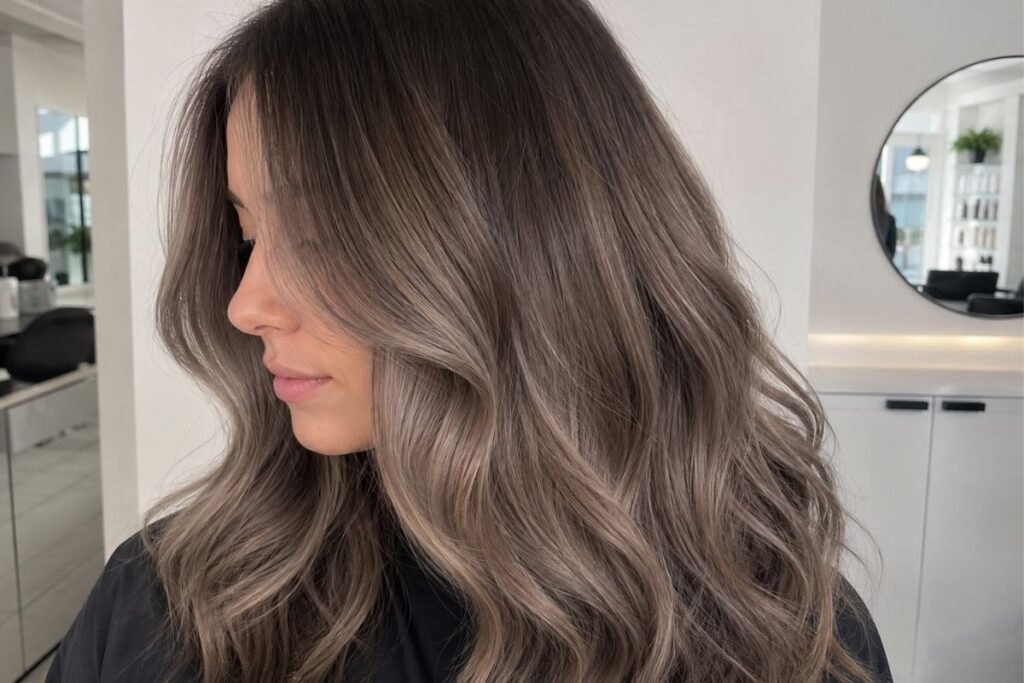
Mushroom Ash Blonde. This is a gray brown blend. It has become the most requested everyday ash shade. It does not look brown or gold. That is the whole appeal. It is a favorite for shadow root looks. It blends well into darker natural hair with no visible line.
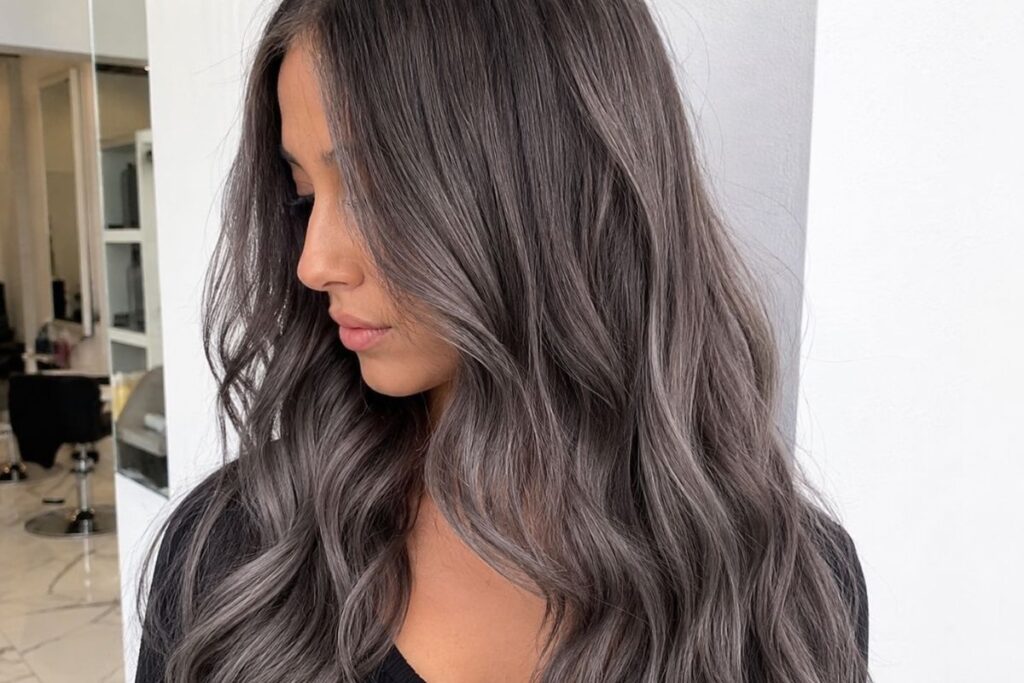
Graphite Ash Blonde. This is a deeper, stronger gray. It gives a rich, moody finish. It suits people who want blonde hair but want to stay close to their natural depth. It also looks fresh for longer than lighter shades.
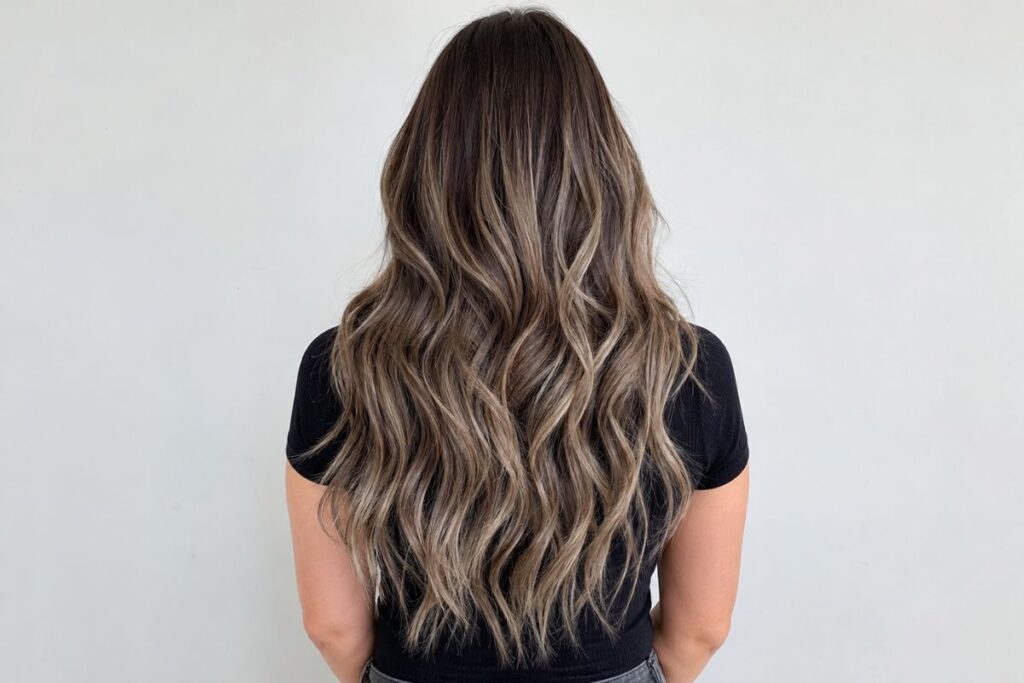
Smoky Ash Blonde. This mixes brown and blonde with cool ash tones running through it. It looks at highlights without a full blonde change. Many brunettes try this shade first before going fully blonde.
Maintenance note: Touch-ups typically run every eight to ten weeks. The bleaching needed here is much gentler than for lighter shades.
Medium Ash Blonde (Levels 8–9):
This is the sweet spot most people land on. It reads clearly as blonde but grows out gracefully without a harsh root line.
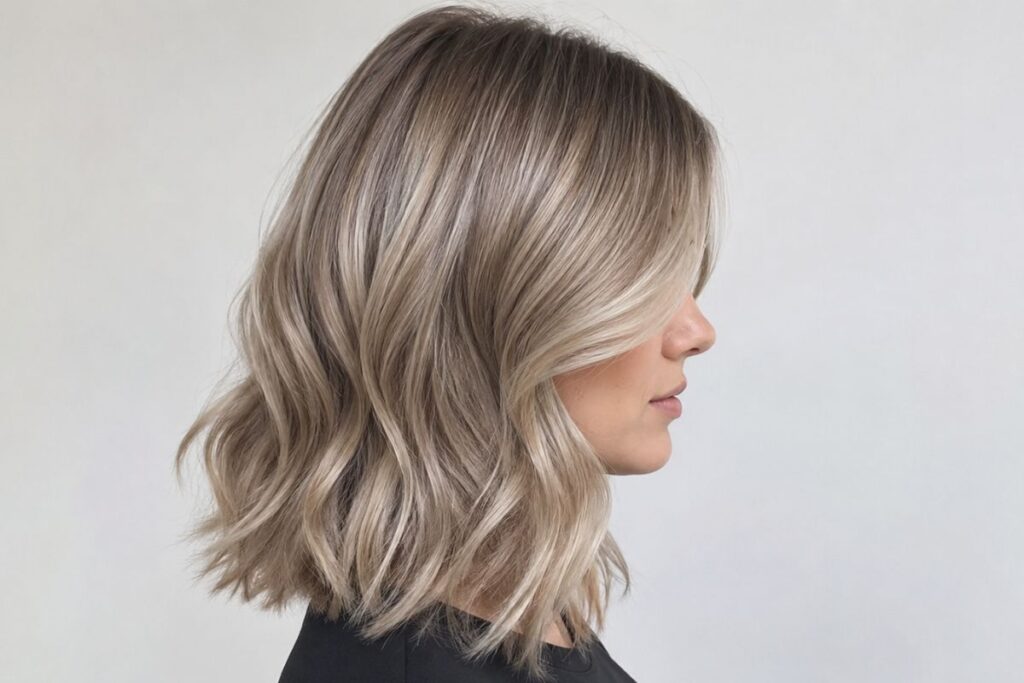
Classic Ash Blonde. This is the balanced gray beige tone most colorists mean when they say ash blonde. It looks cool and deliberate. It does not need as much upkeep as icier shades.
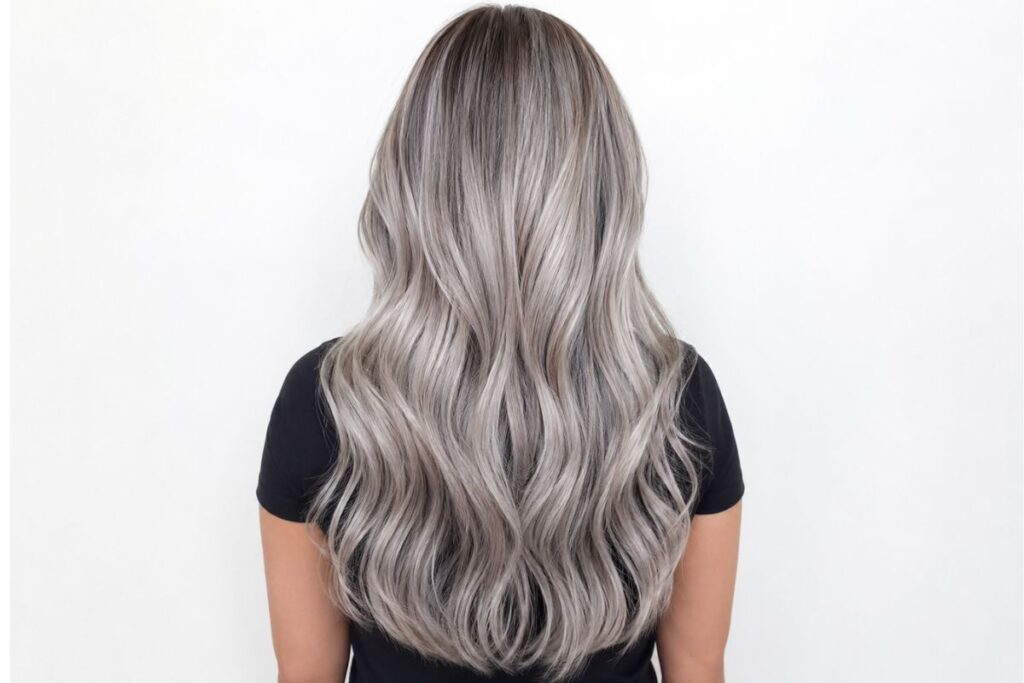
Steel Ash Blonde. This is a cooler, more metallic version of medium ash. It has a visible gray tone. It suits cool skin tones best. It needs slightly more toning than a softer beige ash.
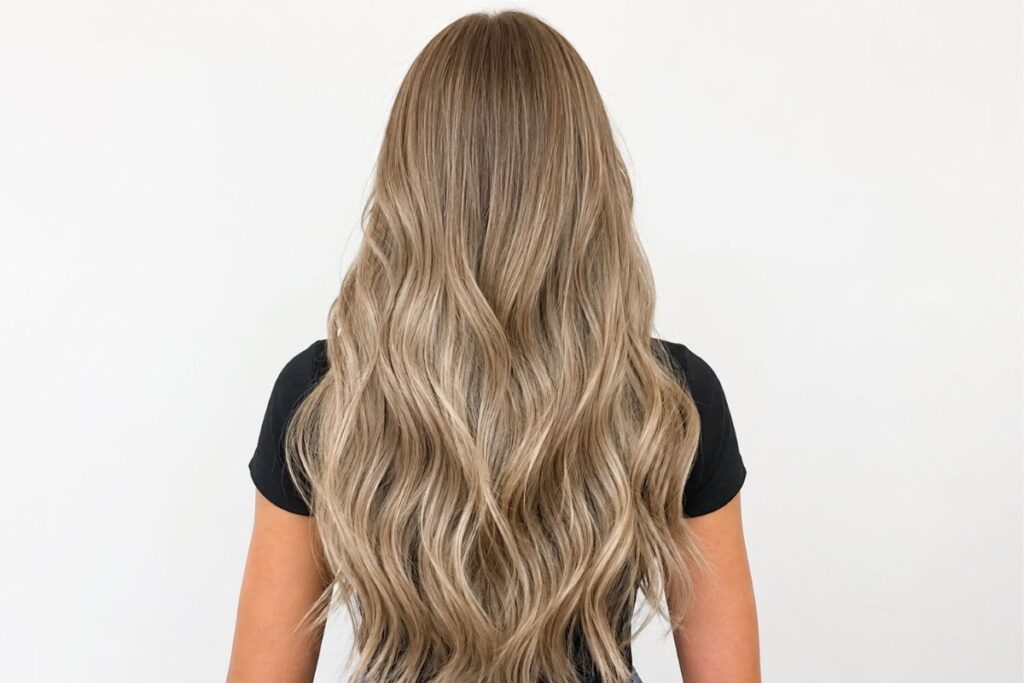
Cool Beige Blonde. This is the softest shade in this range. It mixes a touch of warmth into the ash base. Many people choose this after trying a starker ash and finding it too flat or gray.
Maintenance note: Plan on a toning refresh about every 6 weeks at this level.
Light Ash Blonde (Levels 10–11):
This is the most dramatic, highest-maintenance end of the chart. Hair must be pre-lightened to pale yellow before toning.
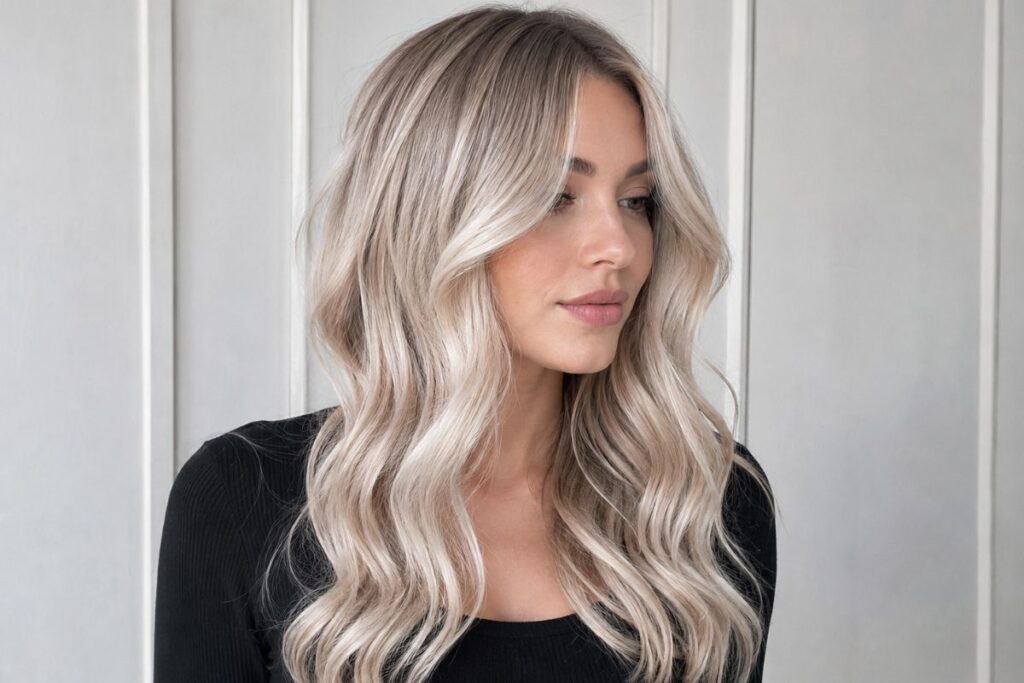
Very Light Ash Blonde. This is a pale, silvery shade just short of full platinum. It gives most of the drama of icy ash without pushing hair to its lightest limit. This makes it a gentler choice for hair that is already a bit damaged.
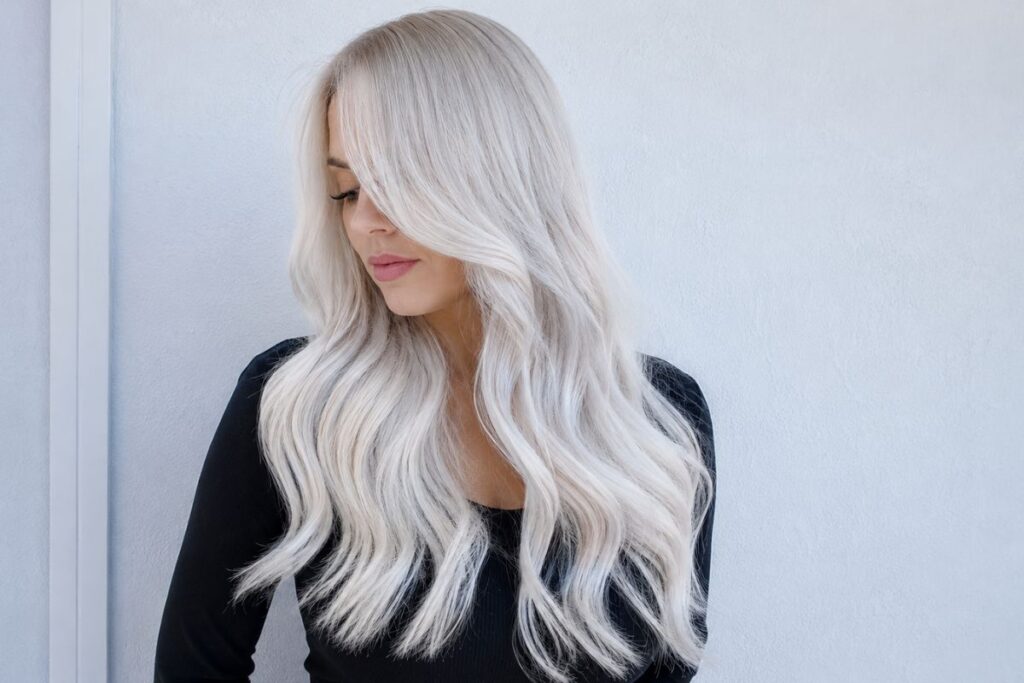
Icy Platinum Ash. This shade has strong blue and violet tones. It creates an almost white silver look. This is the shade most people picture when they hear ash blonde. Hair must be lifted to near white before this tone can be applied correctly.
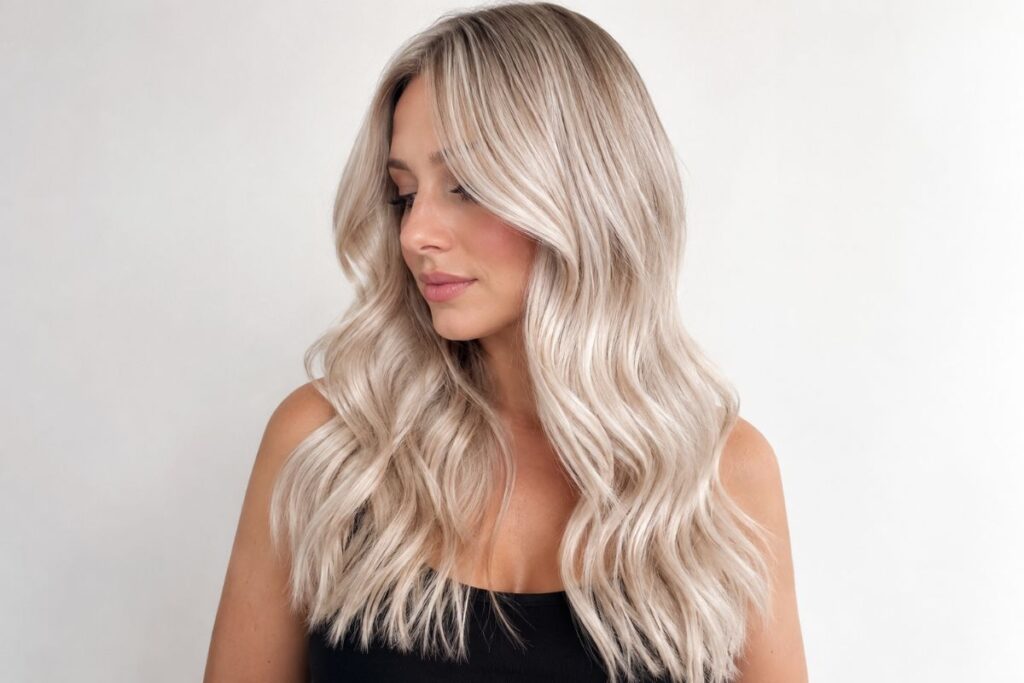
Pearl Ash Blonde. This is a softer, more glowing version of light ash. It has subtle shimmer instead of a flat icy finish. It photographs well because the light hair reflects the ash tone in different ways depending on the light.
Maintenance note: This range needs toning every 4 to 6 weeks. Without it, hair can start to look yellow.
Fashion & Statement Ash Shades:
Beyond the standard chart, a few trend-driven ash shades show up often on social media and in salons. These push past natural-looking into full statement territory.
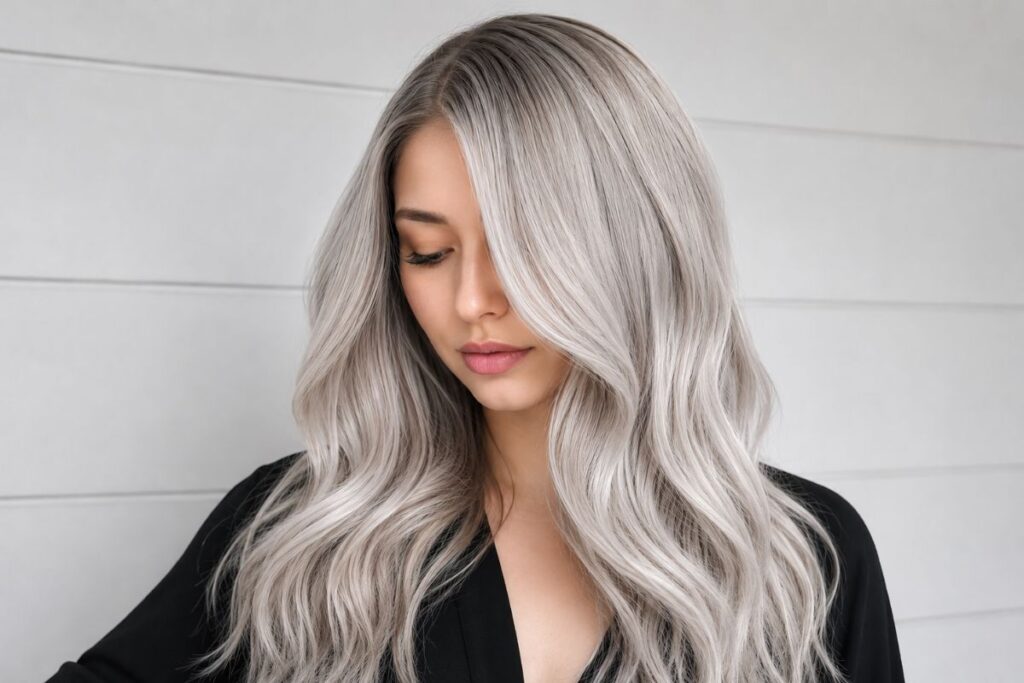
Silver Ash Blonde. This is a bold, high contrast gray. Hair must be lifted to the lightest level possible. This is one of the hardest shades to maintain.
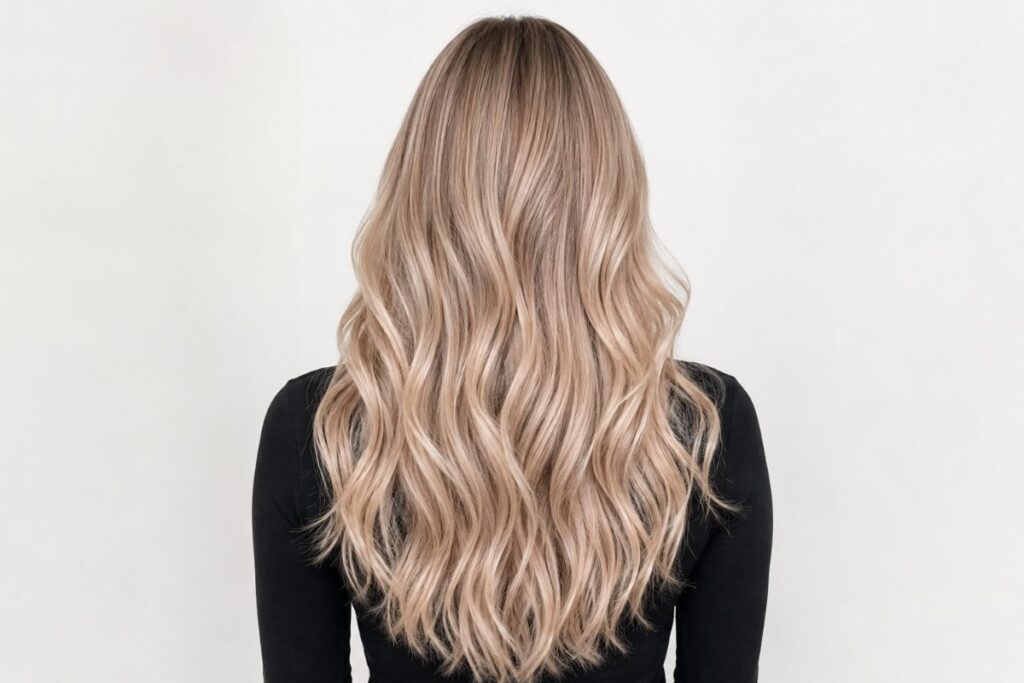
Ash Champagne. This shade adds a small hint of warmth to ash. It was made for people with warmer undertones who still want the cool ash effect.
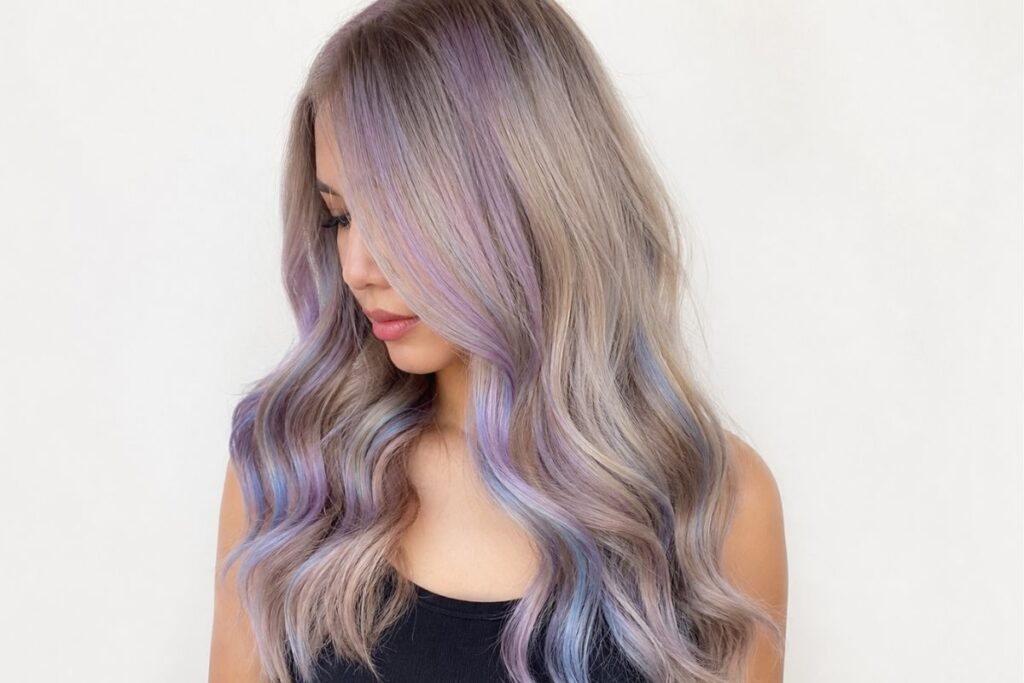
Pastel Ash Blends. These add thin streaks of lilac or blue through ash blonde hair. These fade faster than any other shade on this list. Pastel pigments are simply less stable than other tones.
Bring a photo to your colorist instead of just naming a number. The same level can look slightly different across different color brands.
Wella Color Charm T18 and Toner Options Explained
Wella Color Charm T18 is a violet based toner. It is most often used to brighten pale yellow hair into a clean, icy platinum finish. It works best on hair already lifted to level 9 or higher. Toner only shifts tone. It cannot lighten hair on its own.
T18 leans more violet than some other toners. This makes it a strong pick for hair with a yellow cast. It is a poor match for hair that still has heavy orange or brassy tones underneath. For those warmer starting points, a toner with more blue, not violet, tends to neutralize more evenly.
Most colorists apply toner for five to twenty minutes. The exact time depends on how much correction the hair needs. They check it every few minutes. This avoids overshooting into gray or violet territory. If you tone at home, do a strand test first. It only takes ten extra minutes. Leaving a violet toner on too long is one of the top reasons ash blonde turns slightly purple instead of clean and icy.
Ash Blonde Hair Color Ideas and Trending Styles for 2026
Ash blonde balayage is one of the most requested styles in US salons in 2026. It blends a darker root into lighter ash ends. This avoids a harsh line where the colors meet.
A few looks are trending right now. Icy platinum ash pushes the tone as light and silvery as possible. It still dominates among people who want a strong contrast against darker brows. Mushroom ash blonde is a softer medium tone. It mixes subtle beige into the cool base. It has become the most requested everyday option. It looks polished without looking overly processed. Smoky rooted ash leaves the natural root a few shades darker. It blends that root into lighter ash through the lengths. This style has grown more popular because it needs fewer touch ups than an all over color.
Some people want depth without losing the ash quality. For them, a technique called bronde works well. It blends ash brown and ash blonde. This adds richness while keeping the same cool undertone throughout.
Can Ash Blonde Work on Dark Hair?
Yes, ash blonde can work on dark hair. But it almost always needs more than one lightning session. Naturally dark brown or black hair sits around level 2 to 4. Reaching true ash blonde means lifting that hair five to seven full levels. Toning only happens after that.
Trying this in one sitting puts a lot of stress on the hair. It raises the risk of serious breakage. Most experienced colorists split the process into two or more sessions. They space these out by several weeks. They lighten the hair gradually. They check hair condition at each stage before pushing further.
Dark roots growing out under ash blonde lengths are common. It is often done on purpose. A softened root cuts down on how often you need a full color refresh. If your hair is naturally dark and you want ash blonde without months of upkeep, talk to your colorist. Ask about a rooted or balayage approach instead of a flat, all over color.
Is Ash Blonde Right for You? Skin Tone, Eye Color & Undertone Test
Ash blonde usually suits people with cool or neutral skin undertones. The lack of warmth in the color can clash with naturally warm, golden skin. Here is a simple way to check your undertone at home. Look at your wrist veins in natural light. Blue or purple veins usually mean cool undertones. Green veins usually mean warm undertones.
Eye color matters too. Blue, gray, and cool green eyes tend to pop against ash blonde. The cool pigments in the hair echo the cool tones already in the eyes. Warmer brown or hazel eyes can still wear ash blonde well. They often look more balanced with a softer, slightly beige leaning ash instead of a stark icy platinum.
Neutral undertones have the most freedom of all. They sit between warm and cool. They can wear almost any version of ash blonde without looking washed out.
Ash Blonde on Different Hair Textures and Ethnic Hair Types
Ash blonde acts differently depending on hair texture. This is one of the most overlooked parts of getting the color right. Fine, straight hair tends to show ash tones the most clearly. The smooth, flat surface of each strand reflects color evenly. It reads cool without much effort.
Coarse or curly hair often needs a slightly stronger toner. This helps it reach the same level of coolness. The textured surface of curly strands scatters light differently. This can make ash tones look more muted than they would on straight hair.
For naturally dark, coily, or tightly curled hair, reaching ash blonde usually takes a longer journey. It also takes a real conversation with your colorist about hair health. Textured hair that has been heavily processed is more prone to dryness and breakage during multiple lightening sessions. Many colorists suggest bond building treatments during the lightening process for this hair type. They also space sessions further apart to protect the hair’s structure.
No hair texture is left out of wearing ash blonde well. The real difference is in timeline, technique, and how much aftercare the hair needs once you reach the color.
How Do You Ash Blonde Hair Color? Step by Step
Getting ash blonde hair color safely follows five general steps. The exact details shift depending on your starting color.
Step 1: Assess your starting level. Your colorist checks your current hair level. They also look at the underlying pigment that will show up once your hair is lightened.
Step 2: Lighten if needed. If your natural hair is darker than level 8 or 9, a lightener goes on first. This lifts the hair to a pale yellow stage before any ash tone is added.
Step 3: Apply the ash toner. Once hair reaches the right lightness, a violet or blue based toner goes on. This cancels the remaining warmth. It creates the cool, smoky finish.
Step 4: Process and rinse. The toner usually sits for five to twenty minutes. Your colorist checks it along the way. Then it gets rinsed out fully with cool water. This helps seal the hair cuticle.
Step 5: Condition and seal. A deep conditioning or bond building treatment comes right after. This fights the dryness that comes from lightening. It locks in both moisture and color.
This whole process can take one single appointment if your hair is already light. It can take several sessions over weeks if your hair is naturally dark.
Salon vs At Home Box Dye
A salon visit gives you a custom formula. It is based on your exact starting tone. A box dye uses one fixed formula, no matter what your hair is actually doing underneath. This matters a lot for ash blonde. The color depends on correctly canceling out whatever warmth your hair reveals. That warmth is different for everyone.
Box dye works fairly well if your hair is already light, healthy, and close to your target shade. It tends to disappoint on hair that needs a lot of lightening first. Most boxed kits are not built to lift hair multiple levels safely.
Cost is the clear tradeoff. A box kit costs much less than a salon visit. But a bad at home job often costs more in the end. You may need a professional to fix it. For darker starting hair, a salon visit is almost always the safer and smarter choice in the long run.
Ash Blonde Hair Color for Men
Ash blonde works the same way for men as it does for anyone else. Cool pigments cancel out warm undertones. But it shows up a bit differently because men’s cuts are often shorter and grow out faster.
Shorter hair means root regrowth shows up sooner. This is why many men choose a smaller lift paired with a low maintenance ash tone, rather than a high contrast platinum look. A soft ash blonde crop or a textured top with ash highlights has become common in US barbershops through 2026. It is often paired with a natural taper. This blends the regrowth more easily than a longer style would.
Men’s hair can take lightener differently depending on how thick or coarse it is. A patch test and a real talk with your stylist matter just as much here as they do for longer hair. The biggest difference is what to expect for upkeep. Since shorter cuts grow out in just a few weeks, many men choose to trim into the regrowth instead of getting frequent root touch ups.
Ash Blonde With Dark Roots, Highlights, and Balayage
Dark roots paired with ash blonde lengths are often called a rooted or shadow root look. It has become one of the most requested low maintenance versions of this color. The darker base blends naturally into new growth. This means fewer salon visits, and the hair never looks obviously grown out.
Highlights add depth by lightening small sections instead of the whole head. This works well for people who want a hint of ash blonde without a full color change. Foiled highlights create clear, separate pieces. Balayage uses a hand painted technique that fades more gently from root to tip.
Balayage has become the top technique for ash blonde for one main reason. It skips the harsh regrowth line entirely. The color is painted on in a way that copies how hair would naturally get lighter over time. This suits ash blonde’s quiet, smoky look better than a flat, even application would.
How to Maintain Ash Blonde Hair Color at Home
Maintaining ash blonde at home comes down to one main habit. Use a purple or blue toning shampoo often to keep warmth from creeping back in. Most colorists suggest using a toning shampoo once or twice a week, not every wash. Using it too much can shift hair too far toward gray or violet.
Sulfate free shampoo and conditioner matter more for ash blonde than almost any other hair color. Sulfates strip color fast. This speeds up the return of brassy, warm tones. Washing in cool water instead of hot water also helps slow fading. Heat opens the hair cuticle. This lets color molecules escape faster.
Adjusting Ash Blonde Care by Season
Summer sun pulls warmth back into ash blonde hair faster than usual. According to a study published by the National Institutes of Health, UV radiation breaks down hair pigment and speeds up color fade, with lighter hair showing the most visible change. A leave in product with UV protection helps slow this shift during summer.
Winter brings a different problem. Dry indoor heat and cold outdoor air both pull moisture from hair that is already porous from color treatment. This is why many colorists suggest using a richer, more hydrating mask in colder months. This may mean toning a bit less often, so the hair does not get too dry.
Root Touch-Ups vs Toning
Root touch ups and toning fix two completely different problems. Mixing them up is one of the most common ash blonde mistakes. A root touch up deals with new hair growth at the scalp. This new growth always comes in your natural, untreated color. Toning deals with warmth that shows back up through your already colored hair, not new growth.
Permanent ash blonde color usually needs a root touch up every four to eight weeks. This depends on how fast your hair grows and how much contrast there is between your natural color and your ash blonde shade. Toning runs on its own schedule. It is usually every six to eight weeks, no matter what your roots are doing.
Some people need both done at the same appointment. Others might tone at home between salon visits. They save the actual root color for a professional visit. Treating these as one single task causes problems. People either tone healthy hair too much or let their roots grow out too long between color services.
How Long Does Ash Blonde Hair Color Last?
Permanent ash blonde color fades slowly over several months. But the cool tone itself often starts shifting toward warmth well before the color actually grows out. Most people start seeing brassiness come back within four to six weeks. This happens even though the color itself lasts much longer on the hair.
Demi permanent ash blonde works differently. It is often used to tone hair that is already lightened. It usually lasts twelve to twenty four washes. It fades slowly without leaving a harsh line. But it needs a refresh about every six to eight weeks to keep the cool finish.
A few things speed up fading for ash tones specifically. Frequent washing, hot water, sun exposure, and skipping a sulfate free routine all pull warmth back in faster. This happens faster with ash tones than with warmer hair colors. Ash relies on cool pigments, and those fade more visibly than the warm tones sitting underneath them.
Best Products for Ash Blonde Hair
The most useful products for ash blonde hair fall into four groups. Each one solves a different part of the maintenance puzzle.
A purple or violet toning shampoo handles ongoing brassiness between salon visits. Use it once or twice a week, not every day. A sulfate free, color safe shampoo and conditioner for your daily routine. Sulfates are the fastest way to strip cool tone from hair. A bond building or deep conditioning treatment, used weekly, fights the dryness that comes from the lightening process that ash blonde almost always needs. Last, a leave in heat protectant with UV filtering helps slow both heat damage and sun related warmth. This matters more for ash tones than most other colors.
Do not chase one single best product. Building a small routine across these four groups gives you far more steady results than relying on one toning shampoo alone.
Common Mistakes With Ash Blonde and How to Avoid Them
Most ash blonde mistakes come from skipping a step in the lightening process or from using too much toning product at home. Each mistake has its own cause and its own fix.
Turning green. This usually happens when a toner with strong blue or green pigments goes onto hair that still has leftover orange or yellow tones. It can also happen if toner sits for too long. Hard water minerals like copper can also bind to lightened hair. A case study published by the National Institutes of Health confirms that green hair in blonde individuals is caused by insoluble copper deposits building up in the hair shaft. This reacts with leftover pigment and creates a greenish cast that has nothing to do with the dye itself. A clarifying or chelating shampoo usually fixes mineral related greening within a few washes.
Going muddy or gray. This happens from using too much purple shampoo or leaving it on too long. This puts too much cool pigment into the hair. It dulls what should be a bright, clean ash tone into something flat and lifeless.
Uneven tone. This usually comes from uneven lightening. Some sections of hair lifted more than others before the toner went on. This leaves warmer patches that the toner could not fully fix.
In almost every case, the fix is the same. Stop using extra toning products for a week or two. Let a clarifying wash reset the hair before trying again. If the color shift is serious, get a professional to take a look.
Frequently Asked Questions
What toner do I use for ash blonde?
Wella Color Charm T18 is a popular violet based toner. It brightens pale yellow hair into icy platinum. Toners with more blue in the base work better on hair that still has orange or brassy warmth. The right choice depends on your hair’s specific underlying tone.
I have warm undertones in my skin, but I really want ash blonde hair. Will it look bad on me or is there a way to make it work?
Ash blonde can still work on warm undertones. Lean toward a softer, beige leaning ash instead of a stark, icy platinum. A colorist can also add subtle warm pieces around your face. This softens the overall contrast so the cool tone feels balanced instead of clashing.
My hair turned slightly green after I used an ash toner and I don’t know if it’s the toner, the water, or something else, how do I figure out what actually caused it?
Check your timing first. Leaving toner on too long is the most common cause. If the timing was correct, hard water minerals like copper are a likely cause. This is more likely if you swim often or have well water. A chelating shampoo can usually confirm and fix this within a few washes.
Conclusion
Ash blonde hair color is still one of the most requested cool toned shades in US salons through 2026. Getting it right comes down to three things. First, understand that ash blonde works through real color theory.
Violet and blue pigments actively cancel out warmth instead of just covering it up. Second, match your approach to your starting hair color and texture. Dark or textured hair needs a longer, more careful path than hair that is already light. Third, build a maintenance routine that keeps toning separate from root touch ups. Treating these as the same task is where most upkeep mistakes start.